
White House Anti-Fraud Roundtable Draws Partisan Divide Over Access

Cover image from motherjones.com, which was analyzed for this article
The administration highlighted steps to lower prescription costs and held a roundtable on anti-fraud measures led by VP JD Vance, though some Democratic AGs declined to attend.
PoliticalOS
Wednesday, May 27, 2026 — Politics
The administration's dual focus on drug pricing and fraud enforcement encountered immediate friction when Democratic AGs opted out of the Vance-led roundtable and their staff were later barred. The resulting dispute centers on notice, agenda transparency and access rules rather than the substance of the anti-fraud proposals themselves.
What outlets missed
The timeline shows Democratic AGs first declined attendance before attempting to send staff, a sequence that frames the exclusions differently than a simple denial of entry. No outlet provided the White House criteria or response for barring staff despite RSVPs. The drug pricing component of the day's announcements received no coverage in either provided article despite appearing in the overall topic summary.
Trump Officials Downplay Ebola Threat Amid Funding Cuts and Political Snubs
The Democratic Republic of Congo and Uganda are facing one of the most serious Ebola outbreaks in recent years, with nearly 1,000 suspected cases and over 200 suspected deaths reported by the Centers for Disease Control and Prevention. Health workers on the ground have warned that the virus is spreading rapidly, yet efforts to contain it have been hampered by reduced US aid funding and a pattern of dismissive remarks from Trump administration officials.
Testimony delivered to Congress last year by Nicholas Enrich, then acting assistant administrator for global health at USAID, detailed how funding requests for the Uganda outbreak went unanswered. Enrich recounted that Tim Meisburger, head of USAID’s Bureau of Humanitarian Assistance at the time, labeled the outbreak a “scam” because only one death had been recorded. Enrich tried to explain that Ebola has an incubation period and that more cases were likely to emerge, but the warning was ignored. Protective equipment remained inaccessible due to frozen funds, according to the testimony before the House Committee on Foreign Affairs.
The State Department has pushed back against claims that USAID reforms contributed to the delayed response. Spokesman Tommy Pigott told the New York Times that it is “false” to link the reforms to any problems in addressing Ebola. Administration officials have continued to insist that core response capabilities remain intact despite the cuts.
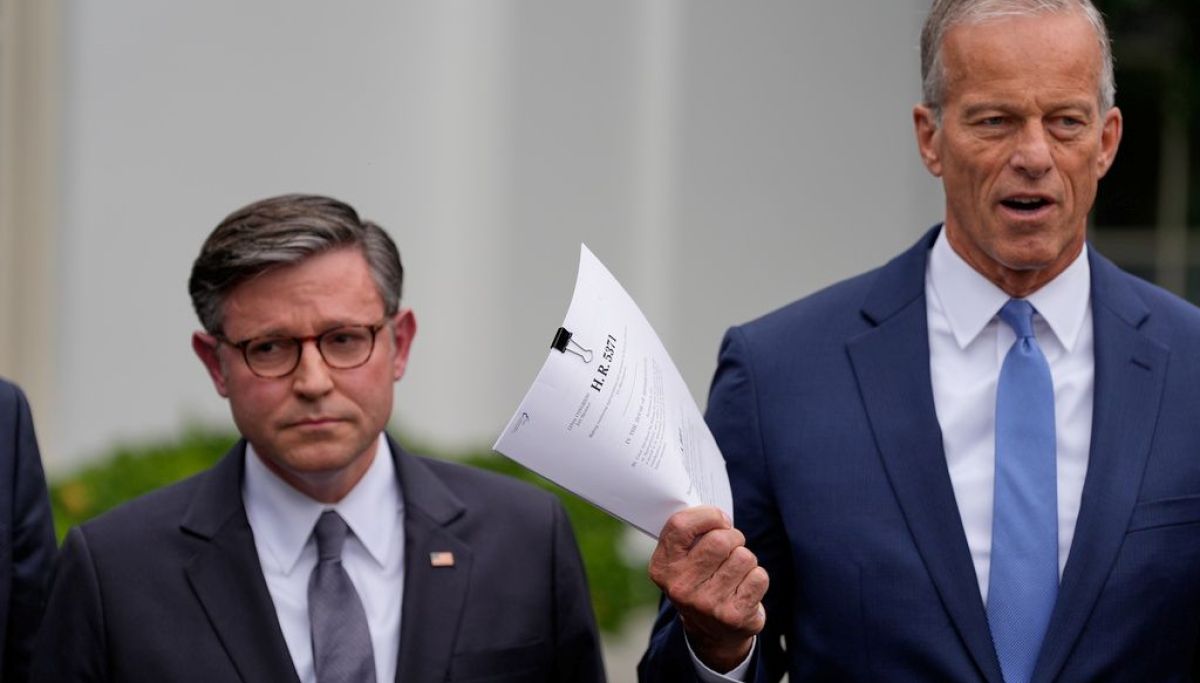
At the same time, the administration has hosted high-profile events on fraud that appear designed more for political optics than broad expertise. Vice President JD Vance convened an anti-fraud roundtable this week attended by Republican state attorneys general. Two dozen Democratic attorneys general declined invitations, citing short notice and the absence of a clear agenda. When some sent senior staff in their place, officials from California, New York, New Jersey, Minnesota, Massachusetts, Maryland and Nevada were turned away. New York Attorney General Letitia James said the reasons given for the exclusions were inconsistent and that experienced prosecutors who had secured millions in settlements were prevented from participating. California Attorney General Rob Bonta described the gathering as an attempt to use participants as “props in Vance’s political performance.”
Public health advocates note that similar selective engagement has appeared in responses to infectious disease threats. With Ebola cases mounting and aid pipelines narrowed, the combination of budget reductions and skepticism from senior officials has left frontline responders with fewer resources. Democratic lawmakers have pressed for restored funding and clearer lines of authority, arguing that past outbreaks were contained only after robust US support reached affected countries.
The current outbreak continues to test whether earlier warnings about incubation periods and funding shortfalls will receive the attention they did not get in Uganda. Without additional resources and a willingness to include a wider range of experts, health officials fear the window for effective containment may close.
You just read Progressive's take. Want to read what actually happened?
More in Politics
Trump at 32% Approval as Gas Prices Test GOP Midterm Hopes
NYT/Siena polling showed Trump's approval at historic lows around 32 percent with Democrats leading by double digits in key districts. Early voting has surged in battleground states.

Record Early Voting Hits Battlegrounds, Shifting Partisan Shares
AP analysis found hundreds of thousands more early ballots than in 2022 in states including Texas, Ohio, Kansas, Maine, and North Carolina, shifting partisan dynamics.
Trump Backs Marshall in Kansas Senate Race Tightened by Farm Costs
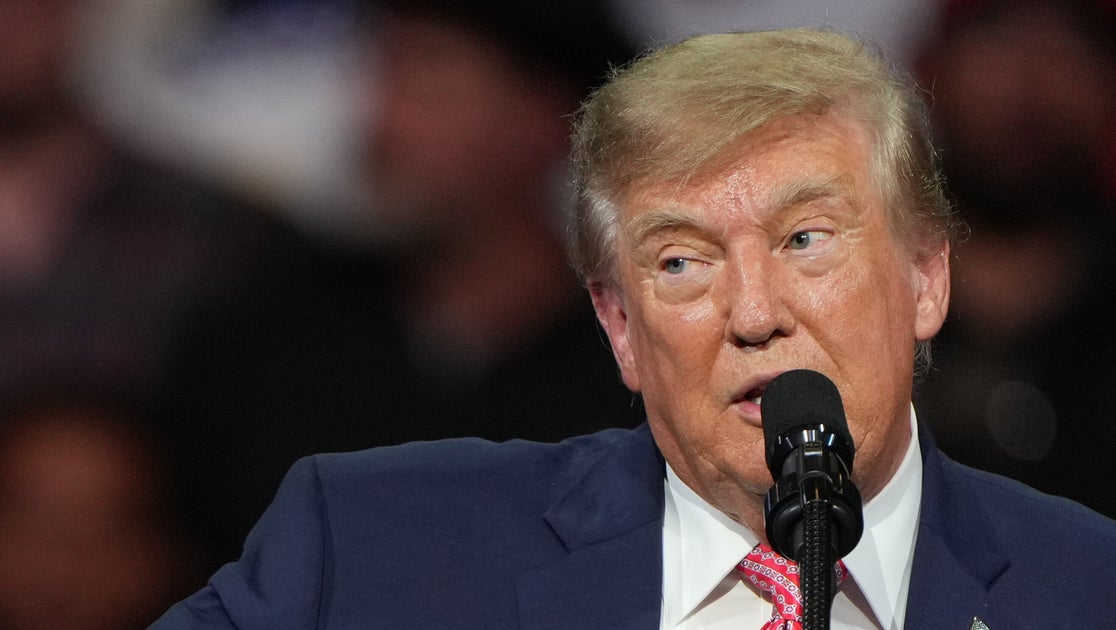
President Trump rallied in deep-red Kansas for GOP Sen. Roger Marshall in a competitive race, announcing an $8 billion farm fuel relief program amid high diesel prices. Democrats see an opening to end 94 years of GOP dominance in the state.

Trump Pauses Russia Sanctions Amid Ukraine Tensions and Missile Strikes
Trump waived sanctions on Russia and floated trilateral talks with Putin and Xi as part of ending the Ukraine war, while tensions rose with Zelenskyy over Starlink and arms. Bipartisan senators engaged Zelenskyy amid the shifts.
The Compass
You just read five takes on one story.
What's your take? Find your political shape in a few minutes.
Take the test