
Ebola Outbreak Tests US Global Health Capacity After Funding Cuts
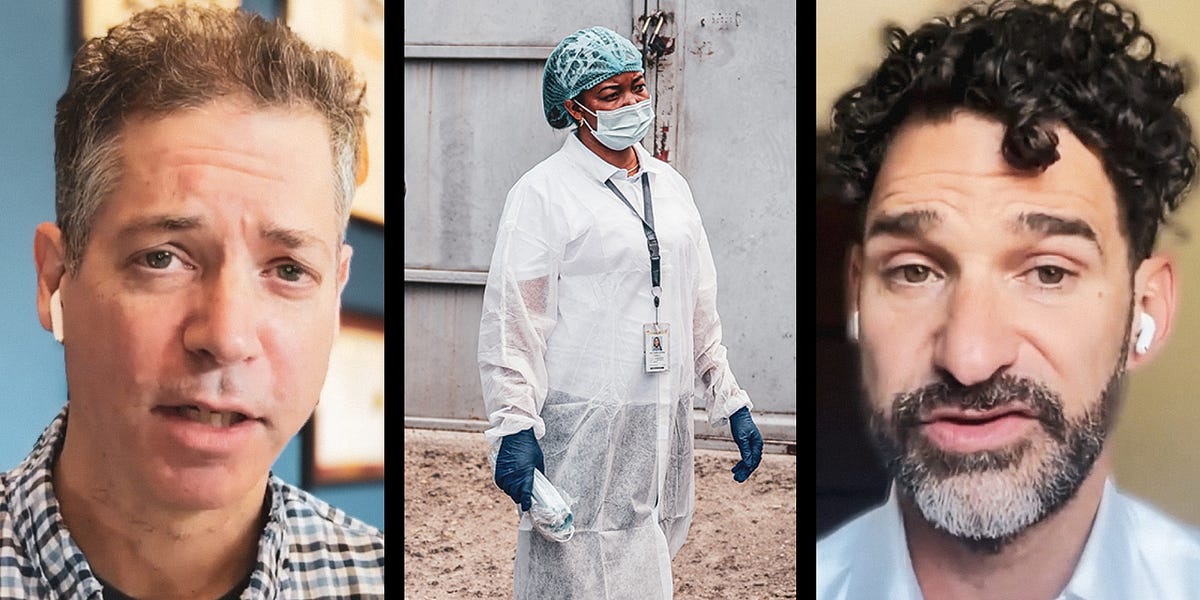
Cover image from thebulwark.com, which was analyzed for this article
Experts warn funding cuts have left the US unable to contain a new Ebola strain, with travel disruptions already occurring. The outbreak is raising alarms about reduced international health aid.
PoliticalOS
Thursday, May 21, 2026 — Politics
The outbreak has exposed real reductions in US global health infrastructure, yet the United States continues limited surveillance and treatment support on the ground. Whether these narrower efforts can substitute for earlier broad-based networks remains the central unresolved question.
What outlets missed
Most coverage omitted the specific CDC screening protocols implemented on May 18, 2026, and the administration's claim that 130 CDC personnel remain active in the region. Few outlets detailed the administration's stated rationale for restructuring USAID or exiting the WHO, such as performance reviews and funding reallocations. Little attention was given to the Africa CDC's explicit call against fear-driven travel restrictions or to the fact that African scientists had already sequenced the new strain. The range of case and death counts reported across sources was rarely reconciled.
Ebola Outbreak Exposes Limits of Foreign Aid in Fragile States
A rare Bundibugyo strain of Ebola has triggered hundreds of suspected cases across the Democratic Republic of Congo, with spillovers reported in Uganda and possible extension into South Sudan. Health officials have recorded roughly 482 suspected infections and 116 deaths since April, prompting the World Health Organization to declare a public health emergency without the usual expert committee review. The variant carries no approved vaccine or specific treatment, and transmission occurs through direct contact with bodily fluids rather than airborne spread.
The outbreak arrives after years of substantial American assistance to the region. The DRC ranked as the second-largest recipient of USAID support, yet local health infrastructure remains among the weakest globally. Past Ebola episodes in the same country showed that success hinged more on rapid contact tracing, isolation, and community cooperation than on large external budgets. Where those basic steps lagged, cases multiplied regardless of donor pledges.
American policy shifts have reduced direct involvement. The dismantling of USAID programs and staff reductions at federal health agencies curtailed some overseas activities, including certain research and surveillance grants. Officials in Washington have instead emphasized domestic priorities and questioned the efficiency of multilateral channels. Secretary of State Marco Rubio noted delays in early identification, while WHO Director General Tedros Adhanom Ghebreyesus attributed timing differences to standard operating procedures that place primary responsibility on national governments.
Critics of the reduced footprint argue that abrupt funding changes disrupted ongoing surveillance. Yet evidence from prior outbreaks suggests that sustained aid often substitutes for, rather than strengthens, local governance. Countries that receive repeated external support for basic disease control frequently develop dependency rather than durable capacity. The DRC’s history of political instability, weak property rights, and inconsistent rule of law has repeatedly undermined even well-funded initiatives. Human capital constraints, including low average educational attainment and fragmented medical training, compound these structural issues.
WHO guidance has stressed traditional containment measures over travel restrictions. Several nations, including the United States, have nevertheless imposed temporary entry limits on travelers from affected zones. Such steps align with standard risk management when diagnostic and reporting systems in source countries remain unreliable. Past experience with Ebola demonstrates that early border vigilance can slow exportation while ground teams organize.
Broader questions surround the allocation of American resources. Proposals to restructure programs such as PEPFAR reflect ongoing debates about whether global health spending produces measurable returns relative to costs. Infectious disease threats do not vanish with budget increases alone; they respond to incentives that encourage timely local action and realistic assessment of what external actors can achieve. The current episode underscores that fragile states must ultimately build functional institutions rather than rely on periodic infusions from abroad.
You just read Conservative's take. Want to read what actually happened?
More in Politics

Trump Defends Ramaswamy Ad Using Estranged Mother in Ohio Race
President Trump defended a GOP nominee's ad featuring a Democratic opponent's estranged mother, calling it powerful, while drawing criticism from some Republicans including Ohio Gov. Mike DeWine. The ad has sparked internal GOP tensions ahead of midterms.
Federal Raid Targets Omar Amid Unresolved Name and Marriage Allegations
Agents searched Rep. Ilhan Omar's DC residence over immigration fraud allegations; she called it bizarre. Reports and commentary questioned her birth name and past marriage details.

Supreme Court Upholds New Hampshire Student ID Voting Ban
The Supreme Court upheld New Hampshire's ban on student IDs as valid voter identification just before midterms, affecting a tight Senate race.

Early Voting Hits 21 Million as Most Trust Midterm Accuracy
Millions have already voted early as parties make final appeals amid $1.4 billion in ad spending; polls show confidence in election accuracy.
The Compass
You just read five takes on one story.
What's your take? Find your political shape in a few minutes.
Take the test