
Ebola Outbreak Tests US Global Health Capacity After Funding Cuts
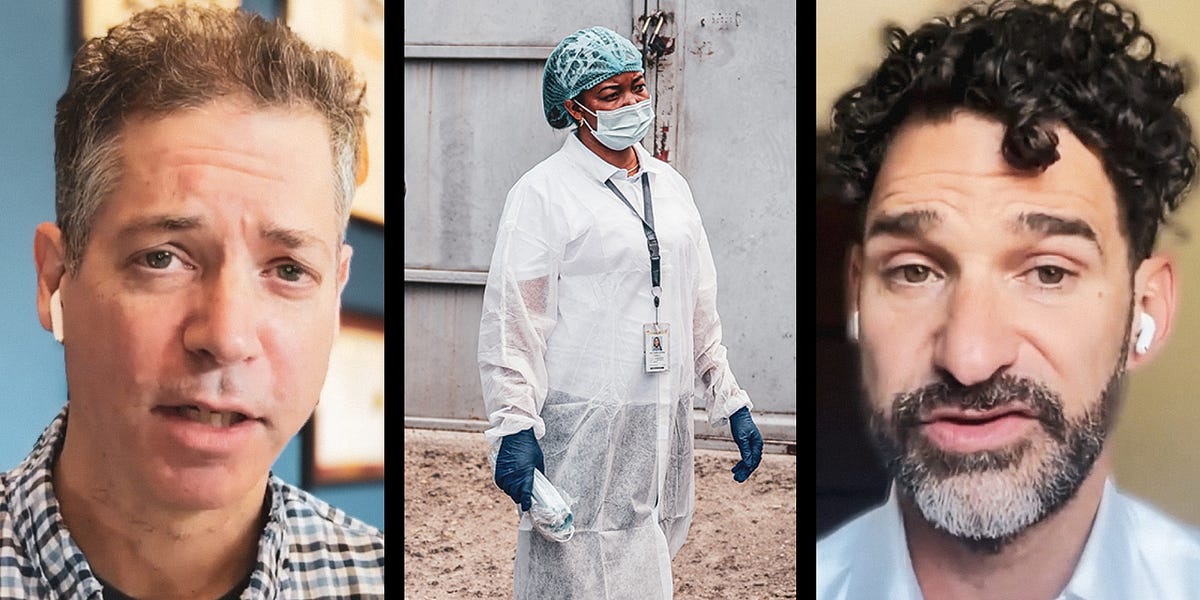
Cover image from thebulwark.com, which was analyzed for this article
Experts warn funding cuts have left the US unable to contain a new Ebola strain, with travel disruptions already occurring. The outbreak is raising alarms about reduced international health aid.
PoliticalOS
Thursday, May 21, 2026 — Politics
The outbreak has exposed real reductions in US global health infrastructure, yet the United States continues limited surveillance and treatment support on the ground. Whether these narrower efforts can substitute for earlier broad-based networks remains the central unresolved question.
What outlets missed
Most coverage omitted the specific CDC screening protocols implemented on May 18, 2026, and the administration's claim that 130 CDC personnel remain active in the region. Few outlets detailed the administration's stated rationale for restructuring USAID or exiting the WHO, such as performance reviews and funding reallocations. Little attention was given to the Africa CDC's explicit call against fear-driven travel restrictions or to the fact that African scientists had already sequenced the new strain. The range of case and death counts reported across sources was rarely reconciled.
US Travel Ban Targets Ebola Risks From Stricken African Nations
A new Ebola outbreak has surfaced in central Africa with health officials reporting hundreds of suspected cases and over a hundred deaths across the Democratic Republic of Congo and neighboring countries. The Bundibugyo strain involved carries no vaccine or known cure and has triggered concerns among disease trackers who note the virus may have circulated undetected for months before detection.
The World Health Organization moved quickly to label the situation a public health emergency though questions remain about its own track record in similar past events. Tedros Adhanom Ghebreyesus defended the response while pushing back against criticism from US officials who described the agency as slow to identify the threat. Secretary of State Marco Rubio pointed to delays that left local governments scrambling without clear early data.
American authorities responded by restricting entry for non-citizens who recently visited the Democratic Republic of Congo Uganda or South Sudan. Such measures align with longstanding border security priorities and aim to limit any chance of imported cases reaching US soil. Health experts familiar with Ebola transmission patterns note the virus spreads through direct contact with bodily fluids rather than airborne routes which makes targeted screening more practical than broad international coordination.
Past US funding through USAID reached significant levels in the region with the Democratic Republic of Congo ranking as a major recipient. Recent reductions in that assistance and related staffing at domestic health agencies have drawn complaints from global health advocates who argue the cuts hinder rapid deployment of resources. Yet those reductions reflect broader efforts to trim programs that often deliver uneven results and sometimes prop up inefficient foreign systems rather than building lasting local capacity.
Dr. Craig Spencer who survived Ebola during the 2014 outbreak has highlighted differences between this flare-up and previous ones including the political instability in affected zones. Contact tracing and isolation remain core tactics according to field reports though success depends heavily on cooperation from local authorities who bear primary responsibility for containment.
Tensions between Washington and Geneva have surfaced over the proper division of labor in outbreak responses. The United States has shouldered much of the historical burden in global health initiatives while facing domestic pressures to address its own infrastructure and fiscal constraints. Critics of expansive foreign commitments argue that repeated reliance on American dollars and personnel has not prevented recurring outbreaks in vulnerable areas where governance and basic sanitation lag.
Officials continue to monitor potential spread into South Sudan while emphasizing practical steps over alarm. The current episode underscores how disease threats cross borders yet effective control starts with sovereign decisions on entry screening and resource allocation rather than indefinite commitments to multilateral bodies.
You just read America First's take. Want to read what actually happened?
More in Politics

Trump Defends Ramaswamy Ad Using Estranged Mother in Ohio Race
President Trump defended a GOP nominee's ad featuring a Democratic opponent's estranged mother, calling it powerful, while drawing criticism from some Republicans including Ohio Gov. Mike DeWine. The ad has sparked internal GOP tensions ahead of midterms.
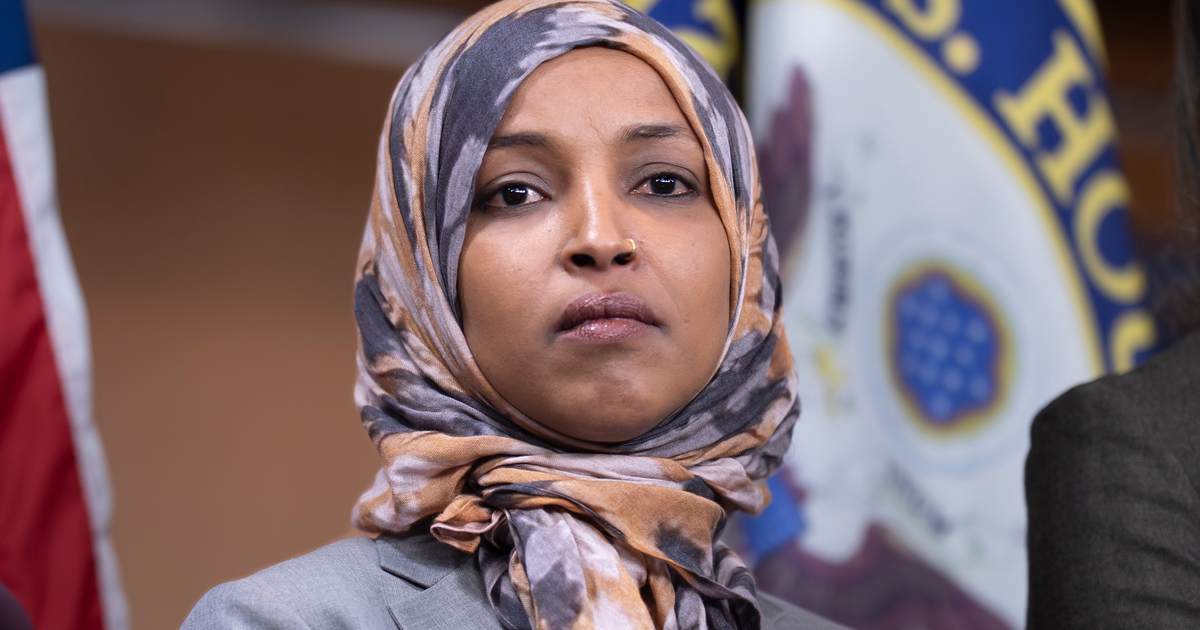
Federal Raid Targets Omar Amid Unresolved Name and Marriage Allegations
Agents searched Rep. Ilhan Omar's DC residence over immigration fraud allegations; she called it bizarre. Reports and commentary questioned her birth name and past marriage details.

Supreme Court Upholds New Hampshire Student ID Voting Ban
The Supreme Court upheld New Hampshire's ban on student IDs as valid voter identification just before midterms, affecting a tight Senate race.
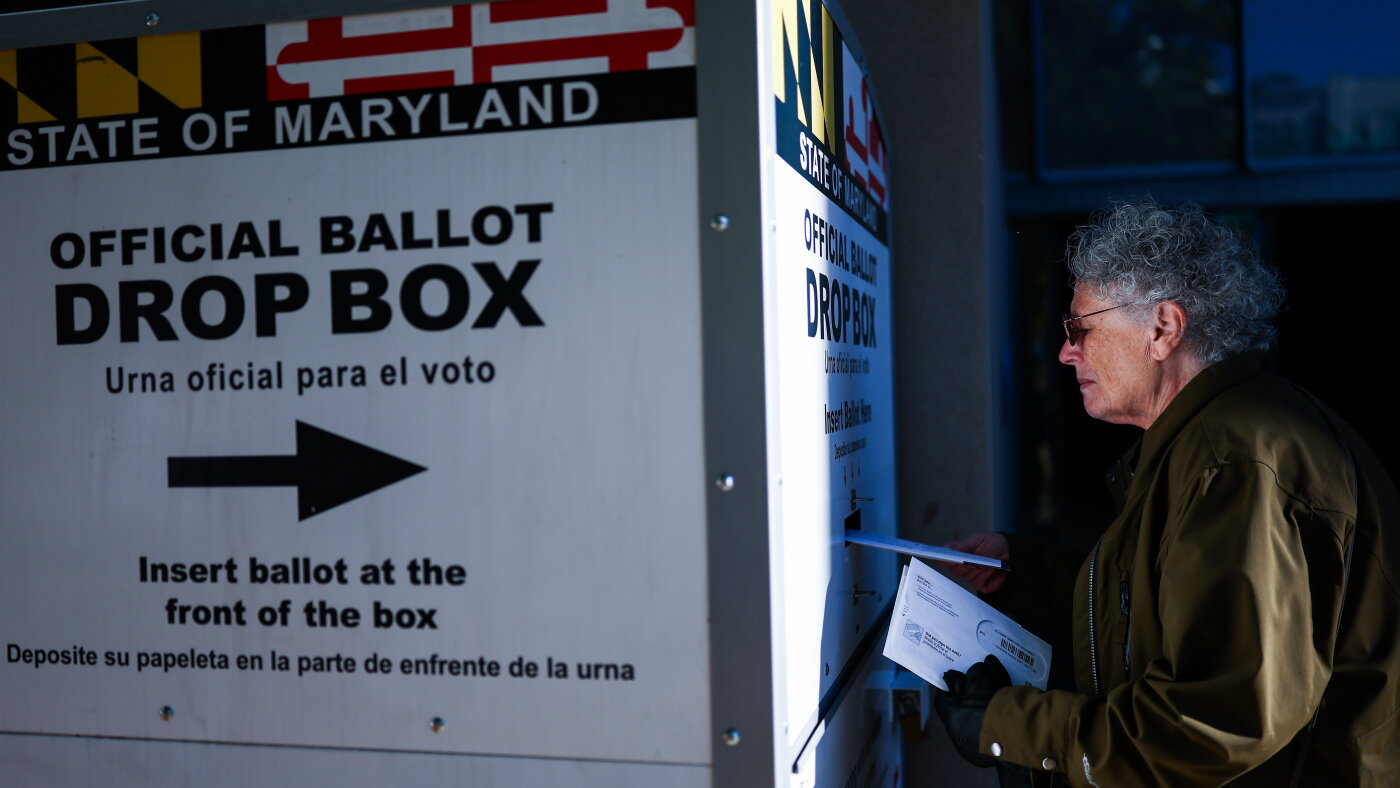
Early Voting Hits 21 Million as Most Trust Midterm Accuracy
Millions have already voted early as parties make final appeals amid $1.4 billion in ad spending; polls show confidence in election accuracy.
The Compass
You just read five takes on one story.
What's your take? Find your political shape in a few minutes.
Take the test