
Ebola Outbreak Tests US Global Health Capacity After Funding Cuts
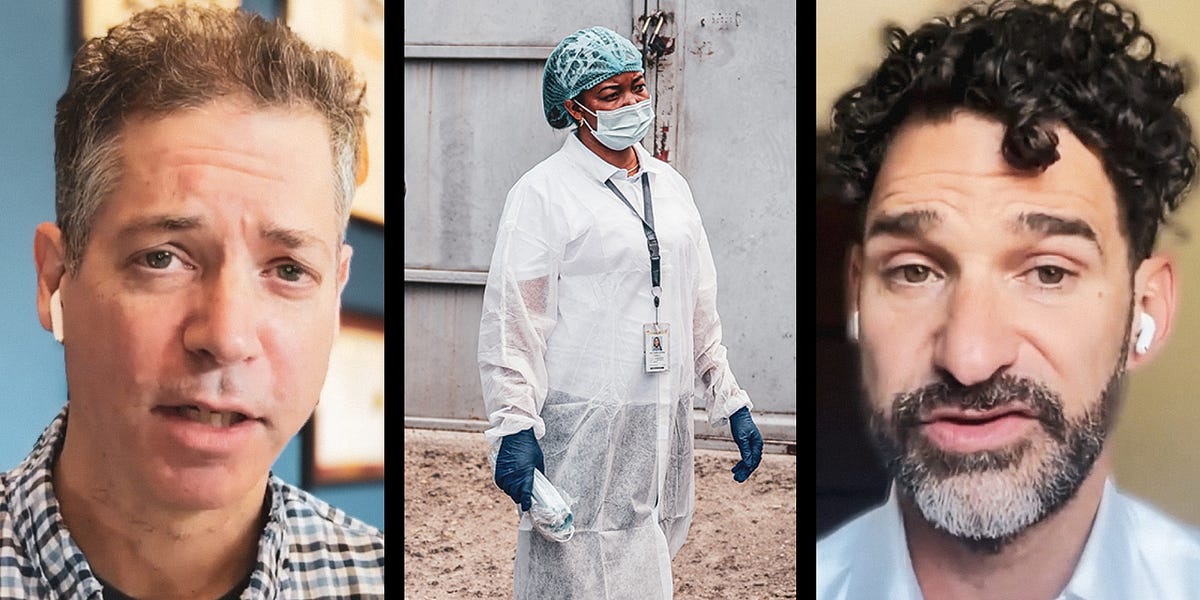
Cover image from thebulwark.com, which was analyzed for this article
Experts warn funding cuts have left the US unable to contain a new Ebola strain, with travel disruptions already occurring. The outbreak is raising alarms about reduced international health aid.
PoliticalOS
Thursday, May 21, 2026 — Politics
The outbreak has exposed real reductions in US global health infrastructure, yet the United States continues limited surveillance and treatment support on the ground. Whether these narrower efforts can substitute for earlier broad-based networks remains the central unresolved question.
What outlets missed
Most coverage omitted the specific CDC screening protocols implemented on May 18, 2026, and the administration's claim that 130 CDC personnel remain active in the region. Few outlets detailed the administration's stated rationale for restructuring USAID or exiting the WHO, such as performance reviews and funding reallocations. Little attention was given to the Africa CDC's explicit call against fear-driven travel restrictions or to the fact that African scientists had already sequenced the new strain. The range of case and death counts reported across sources was rarely reconciled.
Ebola Outbreak in Central Africa Exposes Strains in US Global Health Capacity
A rare strain of Ebola is spreading through parts of central Africa with little apparent involvement from the United States, which has long served as a central player in containing such threats. Health officials report nearly 600 suspected cases and 139 deaths since April, concentrated in the Democratic Republic of Congo with smaller numbers appearing in Uganda and possible transmission into South Sudan. The Bundibugyo variant has no dedicated vaccine or treatment, and experts note that the outbreak may have begun months earlier than initially detected.
The World Health Organization declared a public health emergency of international concern shortly after learning of the cases, bypassing its usual review process to accelerate international attention. Tedros Adhanom Ghebreyesus, the agency's director general, emphasized that primary responsibility for tracking and response rests with national governments, while WHO provides technical support. Officials have urged focus on contact tracing and basic public health steps rather than broad travel restrictions.
The United States response has been notably limited. The Trump administration's earlier decisions to dismantle USAID, reduce staffing across health agencies, and pause key research programs have removed resources that previously supported disease surveillance and rapid intervention in vulnerable regions. The Democratic Republic of Congo, one of the largest prior recipients of USAID assistance, has faced abrupt disruptions to routine health operations. Infectious disease specialists describe the combination of these cuts and the current outbreak as a test of whether remaining international networks can compensate for lost American capacity.
Dr. Craig Spencer, an emergency physician who survived Ebola during the 2014 West Africa epidemic, has highlighted why this situation raises particular concern. The virus spreads through direct contact with bodily fluids rather than respiratory routes, which can make containment feasible with disciplined measures but requires sustained local infrastructure that has been weakened. Experts worry that similar shortfalls could affect other programs, including planned changes to the President's Emergency Plan for AIDS Relief that would diminish the Centers for Disease Control and Prevention's role in global HIV efforts.
Tensions have surfaced between Washington and Geneva over timing and coordination. Secretary of State Marco Rubio described WHO identification of the virus as somewhat delayed, while Tedros countered that such comments may reflect incomplete understanding of how the agency operates alongside national systems. The United States has also imposed entry restrictions on noncitizens who recently visited the affected countries, a step that diverges from WHO recommendations against broad travel bans.
Public health analysts point out that effective outbreak control depends on steady investment in surveillance, laboratory networks, and trained personnel across borders. Reductions in those areas leave gaps that become visible once cases begin to rise. With the current outbreak projected to continue for months, the coming weeks will show how much prior American engagement can be replaced by other governments and organizations working with limited notice.
You just read Liberal's take. Want to read what actually happened?
More in Politics
Trump at 32% Approval as Gas Prices Test GOP Midterm Hopes
NYT/Siena polling showed Trump's approval at historic lows around 32 percent with Democrats leading by double digits in key districts. Early voting has surged in battleground states.

Record Early Voting Hits Battlegrounds, Shifting Partisan Shares
AP analysis found hundreds of thousands more early ballots than in 2022 in states including Texas, Ohio, Kansas, Maine, and North Carolina, shifting partisan dynamics.
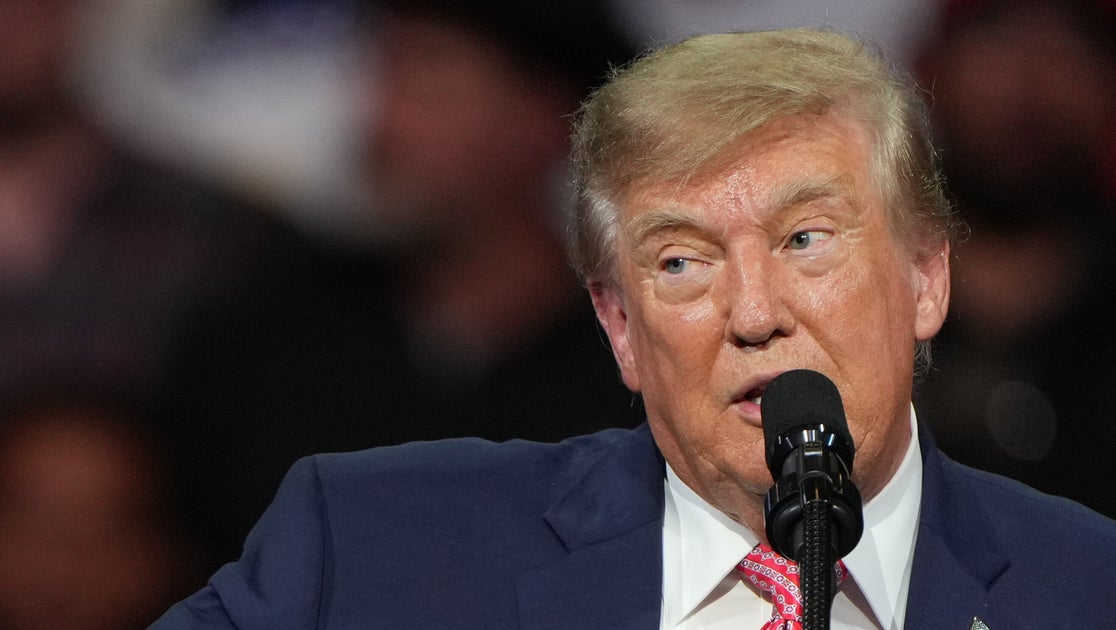
Trump Backs Marshall in Kansas Senate Race Tightened by Farm Costs
President Trump rallied in deep-red Kansas for GOP Sen. Roger Marshall in a competitive race, announcing an $8 billion farm fuel relief program amid high diesel prices. Democrats see an opening to end 94 years of GOP dominance in the state.

Trump Pauses Russia Sanctions Amid Ukraine Tensions and Missile Strikes
Trump waived sanctions on Russia and floated trilateral talks with Putin and Xi as part of ending the Ukraine war, while tensions rose with Zelenskyy over Starlink and arms. Bipartisan senators engaged Zelenskyy amid the shifts.
The Compass
You just read five takes on one story.
What's your take? Find your political shape in a few minutes.
Take the test