
Swalwell Resigns From Congress as Sexual Assault Allegations Multiply
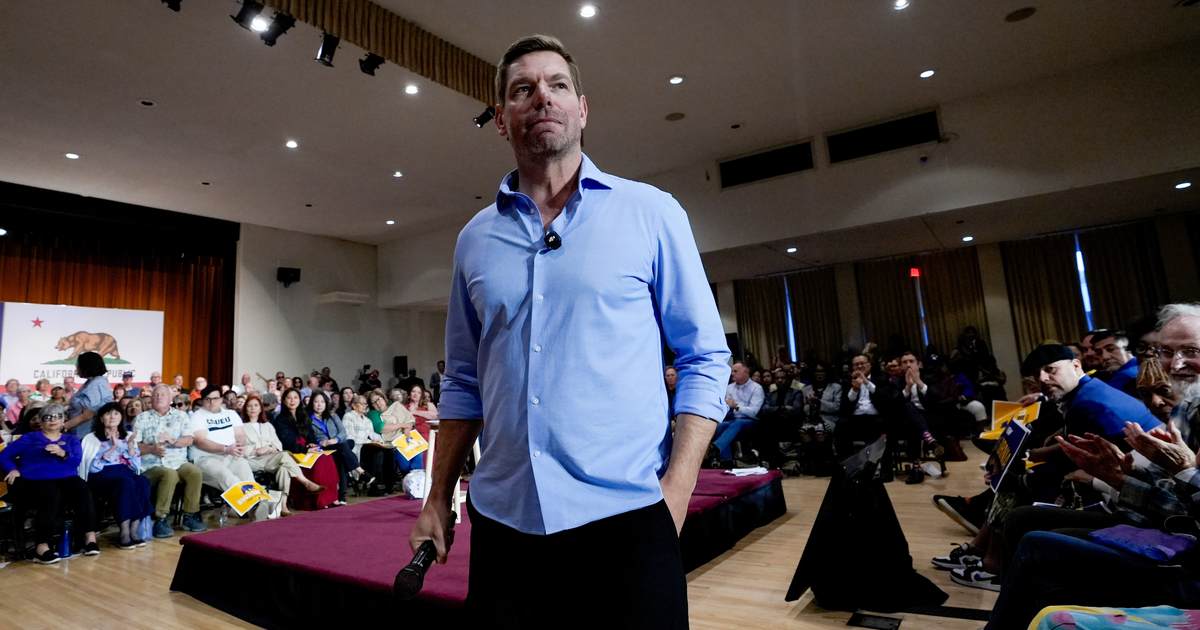
Cover image from townhall.com, which was analyzed for this article
Congressman Eric Swalwell resigned following new sexual misconduct claims, amid a toxic workplace culture in Congress. Kash Patel called for FBI questioning, while associates expressed regret over past associations. The scandal has prompted discussions on accountability in politics.
PoliticalOS
Wednesday, April 15, 2026 — Politics
Multiple women have made serious sexual assault claims against Eric Swalwell, prompting law enforcement reviews and his rapid exit from Congress and a competitive governor race, yet no charges have been filed and he maintains the most serious allegations are false. The episode reveals how quickly political support evaporates once claims gain traction in a post-#MeToo environment, while also exposing gaps in when and how such allegations previously received scrutiny. The central unresolved question is whether formal investigations will produce evidence that matches the public accounts or whether the resignation will stand as the final chapter.
What outlets missed
Most outlets underplayed that Swalwell's resignation automatically terminated the House Ethics Committee investigation, removing one avenue for formal findings. Coverage also gave short shrift to the exact mechanics of California's jungle primary and how Swalwell's exit altered the math for both parties in a race where Republicans had a plausible path to the top two. The absence of any charges after multiple law enforcement reviews received inconsistent emphasis, as did the fact that Polymarket odds reflect public sentiment rather than evidence. Finally, few stories fully reconciled the timeline: some allegations surfaced publicly only in recent days, yet rumors had circulated for years without prior formal action by Democratic gatekeepers or newsrooms that had regularly featured Swalwell as a commentator.
A leading Democratic congressman's career ended in days. Eric Swalwell resigned his House seat and abandoned his front-runner status in California's governor race after multiple women accused him of sexual assault and rape. The claims, some dating back years, triggered law enforcement reviews, bipartisan distancing by former allies and fresh debate over how Congress handles misconduct in its own ranks.
The sequence began accelerating last week. The San Francisco Chronicle first reported allegations from an unnamed former aide who said Swalwell assaulted her twice. CNN then detailed claims from three additional women. A fifth accuser, Lonna Drewes, held a news conference on Tuesday describing a 2018 incident in a West Hollywood hotel where she alleged Swalwell drugged her wine, choked her until she lost consciousness and raped her. The Los Angeles County Sheriff's Department confirmed it opened an investigation into that claim and will forward findings to prosecutors. TIME magazine, among others, noted it has not independently verified any of the accounts. No charges have been filed.
Swalwell has denied the assault and rape allegations. In a statement posted to X he expressed regret for "mistakes in judgment" from his past while vowing to fight what he called false claims. His attorney, Sara Azari, described the accusations as a "calculated and transparent political hit job" timed to damage him. The resignation, filed Tuesday, automatically ends a House Ethics Committee review launched the previous week. California Gov. Gavin Newsom has called a special election for the seat on Aug. 18.
FBI Director Kash Patel responded hours after the resignation. On X he invited the former congressman to speak with agents, writing that Swalwell "has maintained that none of the allegations against him are true" and that "the door is open to all" with relevant information. A Polymarket betting pool on whether Swalwell would face arrest by May 31 opened at 46 percent odds; by Wednesday morning it had fallen to 14 percent.
Reactions split along familiar lines yet carried extra sting from those closest to him. Sen. Ruben Gallego of Arizona, who chaired Swalwell's 2020 presidential bid, told reporters he had heard rumors that Swalwell could be "flirty" but never acted on them. Gallego said he felt betrayed, described his former colleague as having become "very good at being a predator," and pledged to turn over any communications to authorities. Rep. Alexandria Ocasio-Cortez framed the episode as evidence that Congress has grown "acclimated" to sexual harassment by those in power and said underlying structures that silence victims remain intact. Other Democrats moved quickly to distance themselves without offering detailed commentary.
The episode exposes an unresolved tension: whether the rapid cascade of claims, investigations and political collapse reflects genuine accountability or a convergence of partisan opportunity in a crucial election year. California Democrats had grown alarmed that a fragmented primary field could produce two Republican finalists in the state's jungle primary system. Swalwell's exit clears space, though the allegations themselves predate the immediate campaign panic. Outlets diverged on precise counts of accusers, the extent of Gallego's personal relationship with Swalwell and the role prior media access played in delaying scrutiny. What unites nearly every account is the absence of criminal charges to date and Swalwell's insistence that the most serious claims are untrue.
Further questions linger. Drewes said fear of Swalwell's political and legal connections delayed her report. One accuser told CBS she felt "vindicated" by the resignation, believing expulsion had become likely. Swalwell's team has sent cease-and-desist letters to some accusers. Patel's FBI invitation adds federal visibility but does not itself constitute an investigation. Readers are left with dueling narratives: vivid, painful accounts from multiple women on one side, and a blanket denial paired with partial contrition on the other. Official processes continue. The full record, if it ever fully emerges, will come from investigators and courts rather than dueling public statements.
More in Politics
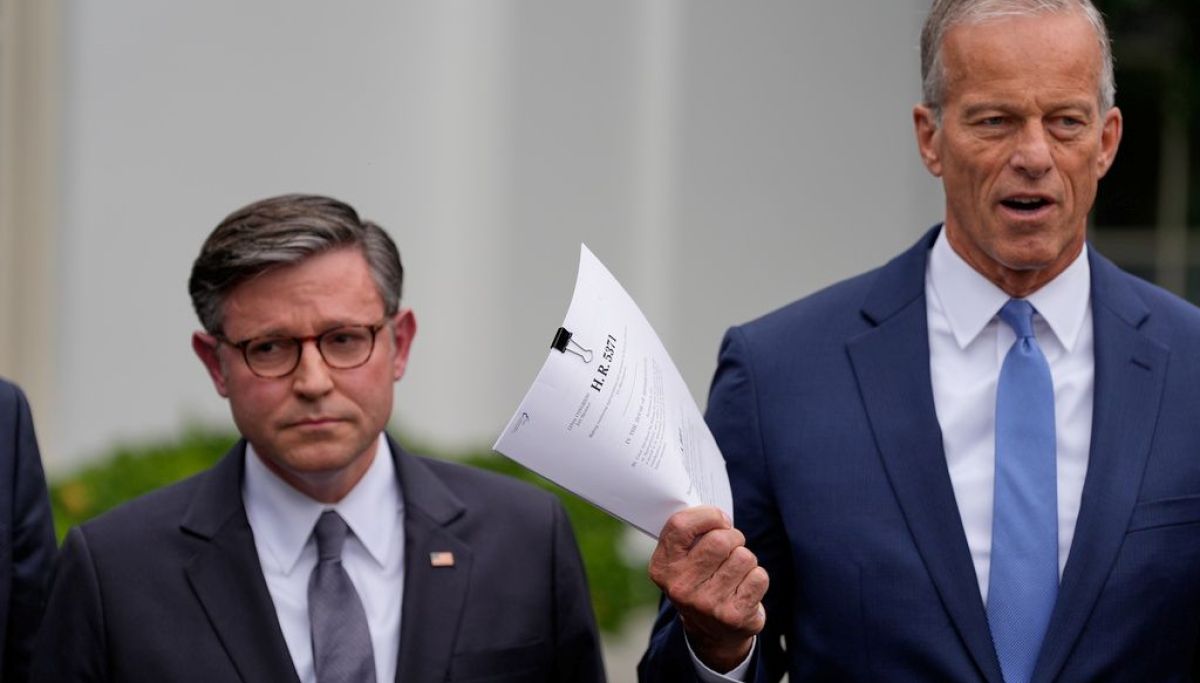
Trump at 32% Approval as Gas Prices Test GOP Midterm Hopes
NYT/Siena polling showed Trump's approval at historic lows around 32 percent with Democrats leading by double digits in key districts. Early voting has surged in battleground states.

Record Early Voting Hits Battlegrounds, Shifting Partisan Shares
AP analysis found hundreds of thousands more early ballots than in 2022 in states including Texas, Ohio, Kansas, Maine, and North Carolina, shifting partisan dynamics.
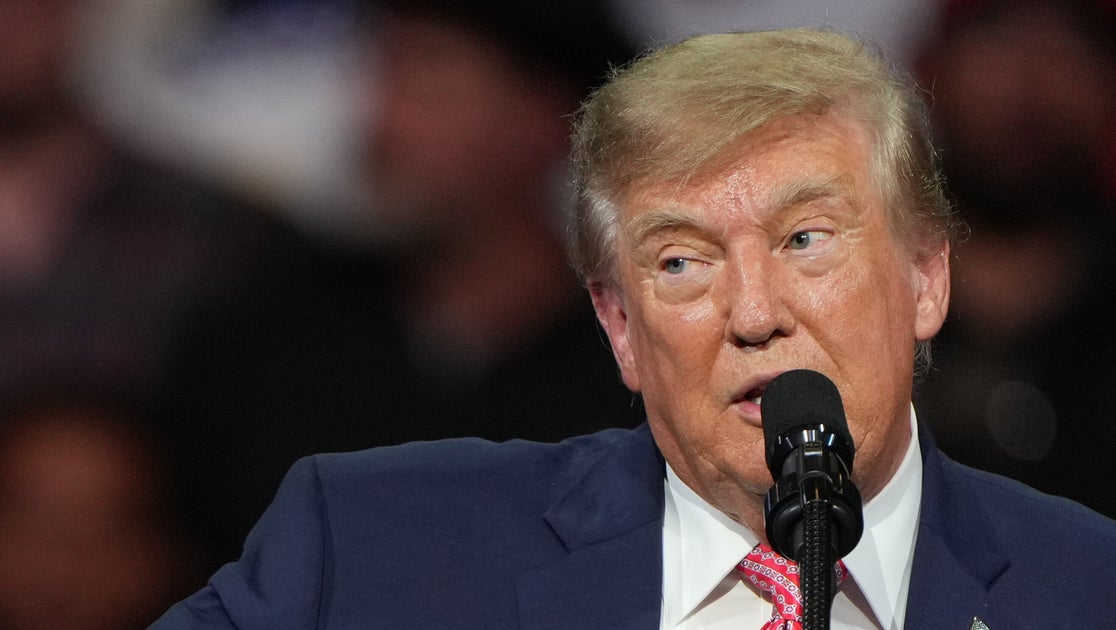
Trump Backs Marshall in Kansas Senate Race Tightened by Farm Costs
President Trump rallied in deep-red Kansas for GOP Sen. Roger Marshall in a competitive race, announcing an $8 billion farm fuel relief program amid high diesel prices. Democrats see an opening to end 94 years of GOP dominance in the state.

Trump Pauses Russia Sanctions Amid Ukraine Tensions and Missile Strikes
Trump waived sanctions on Russia and floated trilateral talks with Putin and Xi as part of ending the Ukraine war, while tensions rose with Zelenskyy over Starlink and arms. Bipartisan senators engaged Zelenskyy amid the shifts.
The Compass
You just read five takes on one story.
What's your take? Find your political shape in a few minutes.
Take the test