
Senate Hearing Triggers State Probes Into Fauci's COVID Role
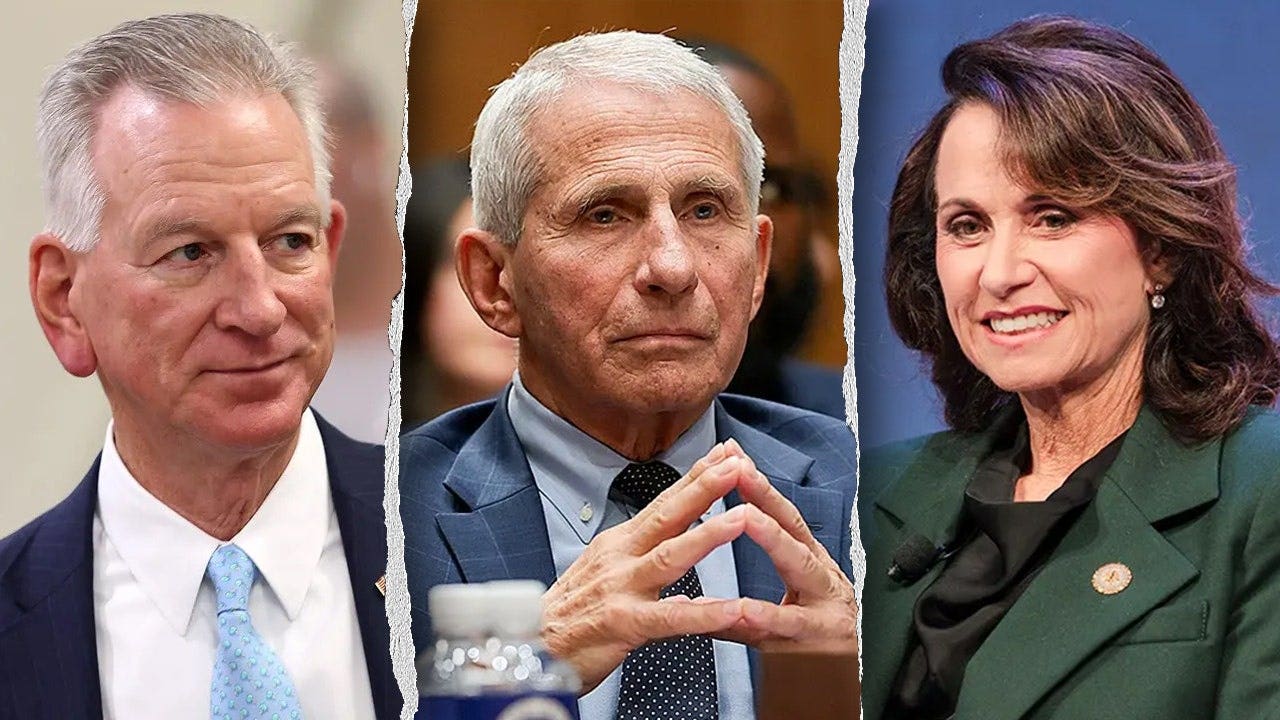
Cover image from foxnews.com, which was analyzed for this article
Senate hearings on COVID-19 origins have prompted Republican-led probes in multiple states, with critics accusing Fauci of misleading the public. Outlets across the spectrum covered the political fallout and related claims.
PoliticalOS
Sunday, August 2, 2026 — Politics
The Senate hearing has moved COVID-19 origins scrutiny from federal to state venues without new scientific resolution. Readers should track whether state investigations produce admissible evidence or remain at the level of political statements.
What outlets missed
Most coverage omitted the full text of the WHO advisory group's 2025 conclusion that a lab incident remains possible due to data gaps from China. Few outlets noted that Fifth Amendment invocations on advice of counsel do not constitute an admission of guilt under established legal precedent. The diary entries released by Sen. Paul contain observations spanning both the Trump and Biden administrations, a detail absent from several accounts that focused only on 2020 material.
Public confidence in federal health leadership faces renewed strain after a Senate committee hearing on COVID-19 origins produced fresh accusations and triggered state-level investigations. The July 29, 2026, session before the Senate Homeland Security and Governmental Affairs Committee centered on Anthony Fauci's pandemic-era decisions and statements about the virus's source.
Fauci, former director of the National Institute of Allergy and Infectious Diseases, invoked his Fifth Amendment right against self-incrimination 111 times during the hearing, according to committee records and multiple news accounts. The panel examined both pandemic management and the question of whether U.S.-funded research contributed to the outbreak. Sen. Rand Paul released more than 1,000 pages of Fauci's personal diary entries in advance of the session.
Those entries, written in 2020, recorded Fauci's private assessments of White House briefings and messaging. Excerpts describe some presidential statements as "painfully rambling" and note frustration with shifting public guidance. The same documents also contain earlier positive notes on initial meetings with President Trump. The diary release occurred as part of preparation for the origins-focused hearing.
Louisiana Attorney General Liz Murrill announced on August 2 that her office would open an investigation, joining actions already underway in Alabama and Florida. Murrill cited prior depositions in which Fauci said he could not recall certain details and contrasted those with the newly released diary. Florida Attorney General James Uthmeier and Alabama Sen. Tommy Tuberville have made similar statements about potential state charges, noting that a 2025 federal pardon from President Biden covers only federal offenses.
The scientific question of SARS-CoV-2 origins remains open. A June 2025 report from the World Health Organization's independent scientific advisory group stated that available evidence suggests zoonotic spillover but that a laboratory-related incident cannot be ruled out because China has not supplied all requested data. The Senate hearing and subsequent state announcements have not produced new laboratory or field evidence resolving the competing hypotheses.
Critics at the hearing and in state statements accused Fauci of downplaying the lab-leak possibility in early 2020 while privately acknowledging its plausibility. Fauci's attorney has not issued a public response to the latest announcements. The investigations announced so far focus on possible state-law violations rather than federal charges already addressed by the pardon.
More in Politics

Federal Agents Search Omar Home in Ongoing Immigration Probe
Homeland Security agents searched the Minnesota Democrat's DC residence in a criminal probe, prompting accusations of political intimidation from Omar and Democratic leaders. Coverage spans left-leaning outlets like NPR, BBC, and The Guardian alongside right-leaning criticism from The Federalist and Daily Wire.

Trump Diesel Import Plan Draws Pushback Over Russia Ties
The weekend agreement drew bipartisan congressional pushback and criticism from Ukraine's Zelenskyy, with analysts downplaying US fuel price impacts. Right-leaning outlets like National Review, Dispatch, and Washington Examiner questioned its legality and effectiveness.

Independents Test Voter Appetite for Middle Ground in 2026 Midterms
Nearly 200 independents are running in competitive races as voters weigh ballot measures on housing costs in states like Massachusetts. Left-leaning coverage from NYT, NPR, and Guardian highlights turnout and key races while right outlets focus on GOP strategy.
Trump Rallies in Alaska, Ohio to Bolster GOP Senate Candidates
The president rallied in Wasilla for Sen. Dan Sullivan and faced empty seats at an Ohio event amid midterm concerns. Outlets across the spectrum covered the trips as signals of GOP vulnerability weeks before Election Day.
The Compass
You just read five takes on one story.
What's your take? Find your political shape in a few minutes.
Take the test