
Fauci Invokes Fifth at Hearing on Pandemic Diary and Origins
Cover image from theweek.com, which was analyzed for this article
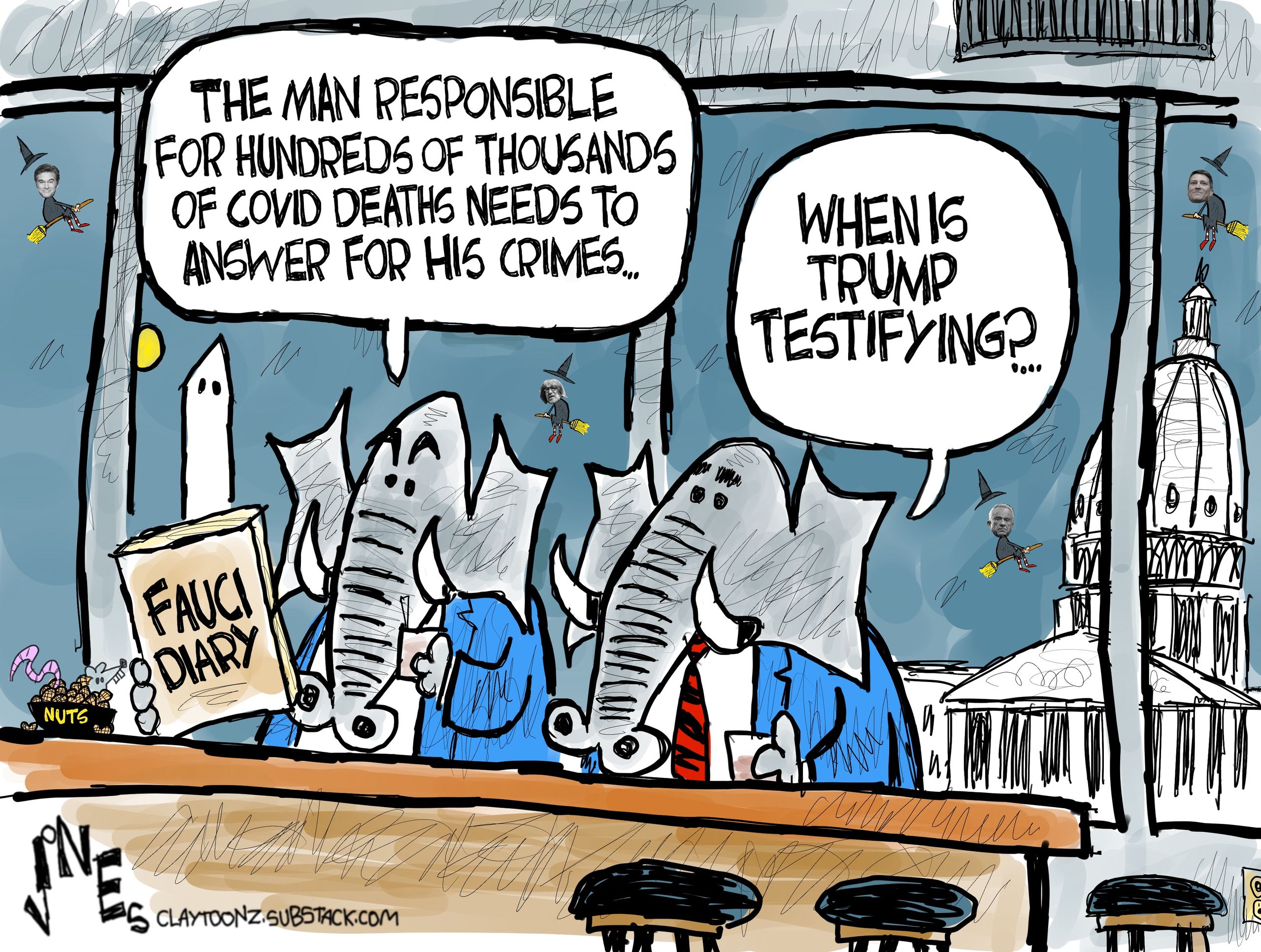
Anthony Fauci faces Senate questioning with renewed focus on his pandemic role, including diary revelations about TV appearances and pardon implications. Both sides debate his influence and accountability.
PoliticalOS
Saturday, August 1, 2026 — Politics
Fauci’s diary documents extensive efforts to secure television time and track critics, while his Fifth Amendment invocations at the July 2026 hearing leave key questions about pandemic decision-making unanswered. The Biden pardon limits criminal exposure to perjury, shifting remaining accountability to Congress and public record. Disputed details across coverage underscore the need to separate verified diary entries and hearing transcripts from interpretive claims.
What outlets missed
Multiple outlets omitted that the diary release occurred immediately before the July 29-30 hearing and that the committee examined only origins records and diary entries rather than earlier treatment disputes. No outlet independently verified the claim that RFK Jr. supplied the diaries. The COVID Tracking Project’s role in filling CDC daily-data gaps received little attention despite its direct relevance to early reporting failures. Senate rules on contempt votes and the 60-vote threshold for floor action were rarely explained. Fauci’s 2022 Seattle Mariners ovation entry criticizing a Washington Examiner video was cited selectively without noting the full context of audience reaction.
Public confidence in health officials who shaped COVID-19 policy remains unsettled six years later. A Senate panel examined Anthony Fauci’s private records and his decisions at the height of the crisis, yet the former NIAID director declined to answer more than 100 questions.
The Senate Homeland Security and Governmental Affairs Committee held sessions July 29-30, 2026. Chairman Rand Paul released excerpts from Fauci’s 1,141-page diary kept on government servers. The diary logged roughly 600 press interactions and nearly 1,400 references to “press,” along with 57 mentions of “far right” critics. Entries show Fauci appealing to Vice President Mike Pence and aide Alyssa Farah Griffin for additional television bookings in 2020, including a June 29 note stating he told Pence he was “being blocked from TV” to deliver a risk-reduction message. Fauci also recorded public acclaim, celebrity contacts, and frustration with White House limits on his media access.
Former President Biden issued a pardon covering Fauci’s actions from January 2014 through January 2025. At the hearing Fauci repeatedly cited the Fifth Amendment. Paul stated afterward that the committee would consider contempt proceedings. Sen. Josh Hawley questioned Fauci’s pursuit of profiles and awards while declining to testify. Radio host Charlamagne tha God said on The Breakfast Club that the pardon and silence appeared “fishy” and “suspicious” if no wrongdoing occurred.
The diary and hearing focused on origins questions and internal communications rather than earlier disputes over specific treatments. Fauci’s attorney advised invocation of the Fifth; Paul removed the attorney from the room. No transcript records the profane remark attributed to Sen. Bernie Moreno in one account. Claims that Health and Human Services Secretary Robert F. Kennedy Jr. supplied the diary were not corroborated by other reporting.
Data volunteer Matthias Shapiro, who worked with the COVID Tracking Project, described early gaps in CDC daily reporting and inconsistent state positivity figures that produced misleading headlines. Regional case patterns, he noted, aligned more with seasonal shifts than with lockdown timing. These observations remain part of ongoing debate over what metrics guided federal guidance.
The central tension is whether diary entries and later silence reflect routine high-profile communications or a pattern that requires further examination. The pardon narrows potential legal exposure to perjury, leaving congressional contempt or public judgment as remaining avenues. Readers must weigh the documented volume of media activity against the refusal to address senators under oath.
More in Politics

Federal Agents Search Omar Home in Ongoing Immigration Probe
Homeland Security agents searched the Minnesota Democrat's DC residence in a criminal probe, prompting accusations of political intimidation from Omar and Democratic leaders. Coverage spans left-leaning outlets like NPR, BBC, and The Guardian alongside right-leaning criticism from The Federalist and Daily Wire.

Trump Diesel Import Plan Draws Pushback Over Russia Ties
The weekend agreement drew bipartisan congressional pushback and criticism from Ukraine's Zelenskyy, with analysts downplaying US fuel price impacts. Right-leaning outlets like National Review, Dispatch, and Washington Examiner questioned its legality and effectiveness.

Independents Test Voter Appetite for Middle Ground in 2026 Midterms
Nearly 200 independents are running in competitive races as voters weigh ballot measures on housing costs in states like Massachusetts. Left-leaning coverage from NYT, NPR, and Guardian highlights turnout and key races while right outlets focus on GOP strategy.
Trump Rallies in Alaska, Ohio to Bolster GOP Senate Candidates
The president rallied in Wasilla for Sen. Dan Sullivan and faced empty seats at an Ohio event amid midterm concerns. Outlets across the spectrum covered the trips as signals of GOP vulnerability weeks before Election Day.
The Compass
You just read five takes on one story.
What's your take? Find your political shape in a few minutes.
Take the test