
Fauci invokes Fifth over 100 times in Senate COVID hearing
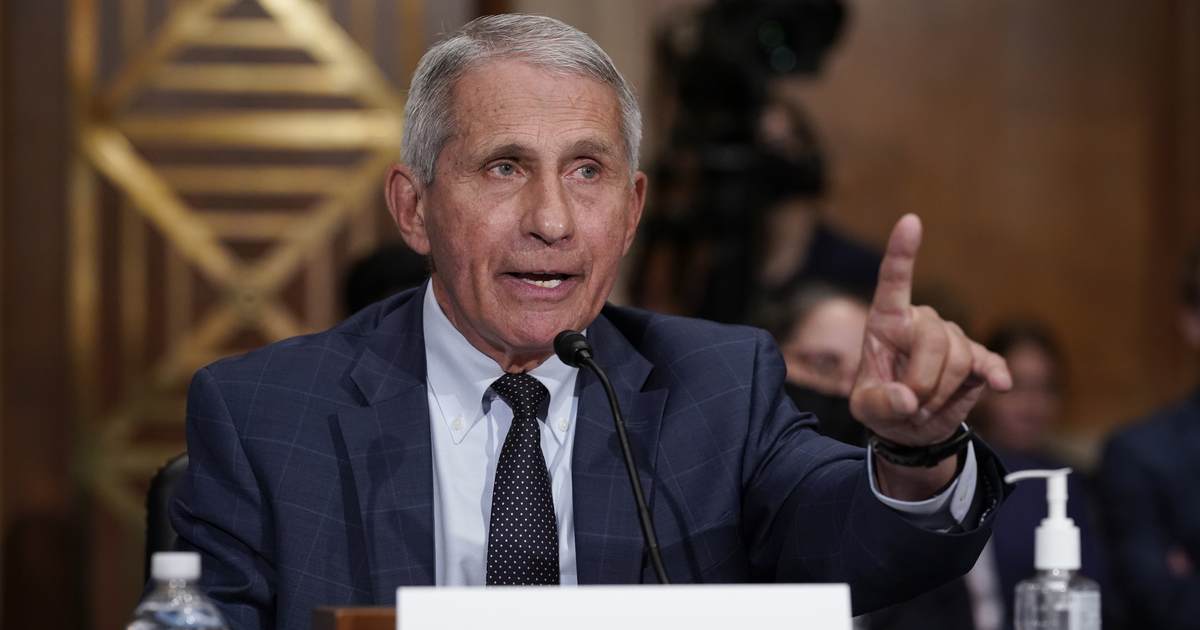
Cover image from redstate.com, which was analyzed for this article
Anthony Fauci testified before the Senate amid threats of contempt charges and sharp partisan attacks, with new diary excerpts fueling criticism from conservatives and defenses from supporters. Multiple outlets covered the contentious exchanges and political fallout.
PoliticalOS
Thursday, July 30, 2026 — Politics
Fauci’s repeated Fifth Amendment invocations occurred against the backdrop of a preemptive pardon and diary entries that Republicans say contradict his public statements on origins and school policy. The legal viability of contempt proceedings and the scope of any state investigation remain unresolved. Readers should weigh the documented diary language against the constitutional protection invoked and the partisan incentives on both sides.
What outlets missed
Most outlets omitted the full text of the 1896 Supreme Court precedent cited by Republicans that could test whether a pardon removes Fifth Amendment protection. Few reported the precise scope of Biden’s pardon (2014–2025) or the fact that it does not cover state crimes. Several accounts left out the 2023 ODNI report showing the FBI assessed a lab-associated origin with moderate confidence and the Department of Energy reached a similar conclusion with low confidence. The complete diary sentence acknowledging an animal-to-human jump alongside market doubts appeared in almost no coverage.
Millions of Americans still live with the consequences of school closures, mask rules and economic shutdowns that defined the COVID-19 response. On July 29, 2026, former NIAID director Anthony Fauci appeared before the Senate Homeland Security and Governmental Affairs Committee and declined to answer questions about those decisions and his private diary entries. He invoked the Fifth Amendment more than 100 times.
Committee chairman Rand Paul released 1,141 pages of Fauci’s pandemic-era journal entries before the hearing. In one January 2020 entry Fauci wrote that the first infection occurred in early December and was not connected to the Wuhan market. In March 2020 entries he recorded advising New York Governor Andrew Cuomo and New York City Mayor Bill de Blasio to close schools and restaurants. Republicans on the panel contrasted those notes with Fauci’s later public statements that he had not advocated school closures. Democrats, including Senator Maggie Hassan, described the session as designed to entrap the witness.
Fauci received a preemptive pardon from President Biden covering actions from 2014 through January 19, 2025. Paul said the committee would vote the following week on holding Fauci in contempt of Congress, a step that would require 60 Senate votes to advance. Senator Ted Cruz called for prosecution for perjury and contempt. Senator Josh Hawley introduced legislation to bar federal employees from accepting cash prizes after alleging Fauci used staff to solicit more than $1 million in awards. Florida Attorney General James Uthmeier announced a state-level investigation. Senator John Fetterman said forcing an 85-year-old witness to repeat the same phrase for three hours served no useful purpose.
President Trump stated he respected the pardon power but noted he had disagreed with Fauci on masks and lockdowns. The World Health Organization has described the natural-origin theory as the best supported by available evidence while calling the question inconclusive. Fauci’s lawyer said his client remained on solid legal ground in asserting the Fifth Amendment privilege.
More in Politics

Federal Agents Search Omar Home in Ongoing Immigration Probe
Homeland Security agents searched the Minnesota Democrat's DC residence in a criminal probe, prompting accusations of political intimidation from Omar and Democratic leaders. Coverage spans left-leaning outlets like NPR, BBC, and The Guardian alongside right-leaning criticism from The Federalist and Daily Wire.

Trump Diesel Import Plan Draws Pushback Over Russia Ties
The weekend agreement drew bipartisan congressional pushback and criticism from Ukraine's Zelenskyy, with analysts downplaying US fuel price impacts. Right-leaning outlets like National Review, Dispatch, and Washington Examiner questioned its legality and effectiveness.

Independents Test Voter Appetite for Middle Ground in 2026 Midterms
Nearly 200 independents are running in competitive races as voters weigh ballot measures on housing costs in states like Massachusetts. Left-leaning coverage from NYT, NPR, and Guardian highlights turnout and key races while right outlets focus on GOP strategy.
Trump Rallies in Alaska, Ohio to Bolster GOP Senate Candidates
The president rallied in Wasilla for Sen. Dan Sullivan and faced empty seats at an Ohio event amid midterm concerns. Outlets across the spectrum covered the trips as signals of GOP vulnerability weeks before Election Day.
The Compass
You just read five takes on one story.
What's your take? Find your political shape in a few minutes.
Take the test