
Fauci Testifies on COVID Origins Amid Diary Release
Cover image from thefederalist.com, which was analyzed for this article
Anthony Fauci faces Senate questioning from Rand Paul over COVID origins and decisions, with newly released diary entries drawing scrutiny from both parties. Coverage spans major outlets examining accountability and public health policy.
PoliticalOS
Wednesday, July 29, 2026 — Politics
The hearing tests whether diary entries reveal inconsistencies between Fauci’s private notes and public statements on origins and policy. Readers should weigh the documented intelligence divisions and the legal limits of one official’s authority against claims of personal culpability.
What outlets missed
Several outlets omitted the specific March 2020 CMS guidance that directly shaped nursing-home visitor bans, instead attributing restrictions solely to Fauci. Few reported the exact volume of diary pages (1,141) or the fact that HHS Secretary Robert F. Kennedy Jr. confirmed retrieval from government servers. Most also left out Lawrence Tabak’s 2024 congressional testimony confirming that the EcoHealth grant met gain-of-function criteria under NIH definitions, and the 2025 White House statement endorsing a lab origin.
Public trust in federal health leadership faces renewed tests as former NIAID director Anthony Fauci appears under subpoena before the Senate Homeland Security and Governmental Affairs Committee. The session, led by Sen. Rand Paul, centers on whether early pandemic decisions and research funding aligned with what officials knew privately. More than 1,100 pages of Fauci’s diary entries, released by Paul’s office days before the hearing, record his contemporaneous notes on virus origins, media attention, and interactions with the Trump and Biden administrations.
Fauci, 85, advised seven presidents across HIV, Ebola, and the 2001 anthrax attacks before becoming the public face of the COVID-19 response. Paul has long questioned whether NIH grants to EcoHealth Alliance supported gain-of-function work at the Wuhan Institute of Virology and whether Fauci downplayed a possible lab incident. Diary passages from early 2020 show Fauci noting uncertainty among scientists on the virus’s source and recording that the Wuhan market “was not the source, it was the amplifier.” Later entries describe his growing frustration with Trump’s messaging and his own rising profile, including references to flattering profiles and celebrity encounters.
Fauci’s legal team called the inquiry a “groundless vendetta” and rejected claims of deception. More than 150 infectious-disease experts signed a letter urging Congress to end what they termed harassment. House Oversight Chairman James Comer stated that Biden’s preemptive pardon does not shield Fauci from perjury during testimony. Democrats on the committee have questioned the process, noting closed-door interviews limited to Republicans. The hearing follows divided intelligence assessments: the Department of Energy and FBI assessed a lab origin as likely with varying confidence, while other agencies leaned toward natural spillover. No single agency reached a definitive conclusion.
More in Politics

Federal Agents Search Omar Home in Ongoing Immigration Probe
Homeland Security agents searched the Minnesota Democrat's DC residence in a criminal probe, prompting accusations of political intimidation from Omar and Democratic leaders. Coverage spans left-leaning outlets like NPR, BBC, and The Guardian alongside right-leaning criticism from The Federalist and Daily Wire.

Trump Diesel Import Plan Draws Pushback Over Russia Ties
The weekend agreement drew bipartisan congressional pushback and criticism from Ukraine's Zelenskyy, with analysts downplaying US fuel price impacts. Right-leaning outlets like National Review, Dispatch, and Washington Examiner questioned its legality and effectiveness.

Independents Test Voter Appetite for Middle Ground in 2026 Midterms
Nearly 200 independents are running in competitive races as voters weigh ballot measures on housing costs in states like Massachusetts. Left-leaning coverage from NYT, NPR, and Guardian highlights turnout and key races while right outlets focus on GOP strategy.
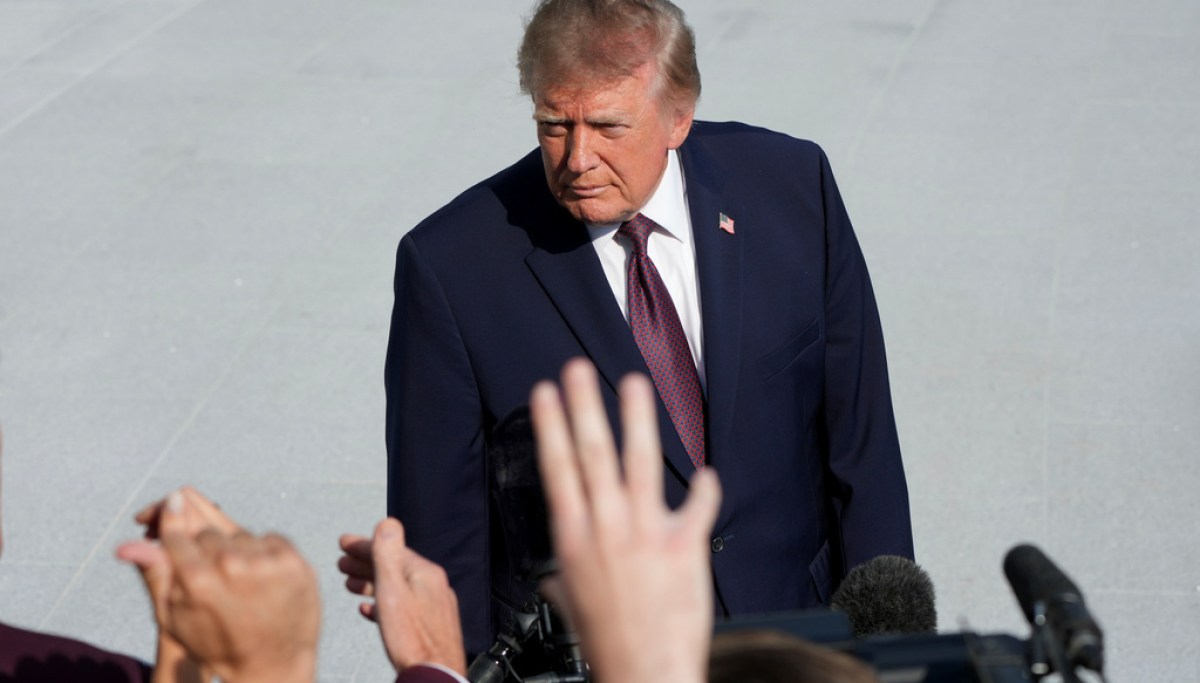
Trump Rallies in Alaska, Ohio to Bolster GOP Senate Candidates
The president rallied in Wasilla for Sen. Dan Sullivan and faced empty seats at an Ohio event amid midterm concerns. Outlets across the spectrum covered the trips as signals of GOP vulnerability weeks before Election Day.
The Compass
You just read five takes on one story.
What's your take? Find your political shape in a few minutes.
Take the test