
Fed Holds Rates Steady at Warsh Debut Amid Independence Concerns
Cover image from finance.yahoo.com, which was analyzed for this article
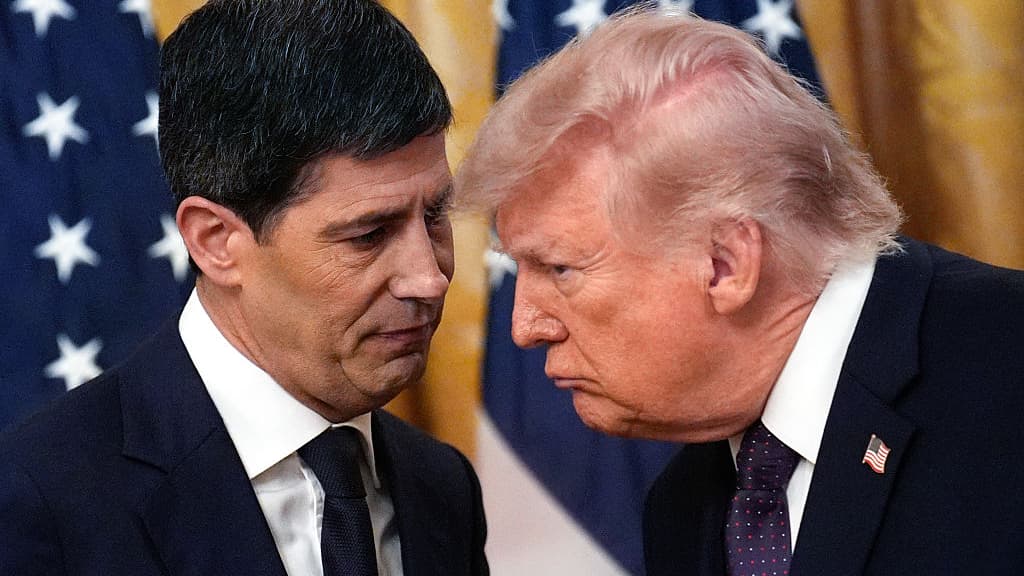
New Fed Chair Kevin Warsh faces first rate decision amid inflation concerns and political pressure from Trump for cuts; markets watch closely as SpaceX gains draw attention.
PoliticalOS
Wednesday, June 17, 2026 — Business
The Fed left rates unchanged at Kevin Warsh’s first meeting, yet markets and analysts remain focused on whether he will resist or accommodate presidential pressure for cuts. Concrete answers will emerge only through future statements and votes rather than today’s decision alone.
What outlets missed
The 54-45 confirmation vote, including one Democratic supporter, received little mention outside one outlet. Potential effects of any Iran-sanctions relief on inflation forecasts were noted only briefly. Warsh’s earlier record as a monetary hawk during the 2008 crisis and his subsequent shift in tone around 2017 were referenced unevenly. No outlet supplied data on how much Iranian oil might reach markets if sanctions are waived or the timeline for such flows.
Fed Faces Scrutiny as Trump Ally Kevin Warsh Takes Helm for First Rate Decision
Markets opened with modest gains on Wednesday as investors braced for Federal Reserve Chair Kevin Warsh’s debut policy announcement, but the session was overshadowed by persistent questions about whether the central bank can maintain its independence under President Donald Trump’s handpicked leader. S&P 500 futures edged up 0.1 percent and Nasdaq-100 contracts rose 0.5 percent, while SpaceX shares climbed more than 1 percent following its recent public debut. Chip stocks also advanced, with ASML jumping 4 percent. Yet attention quickly shifted from the tape to the Federal Open Market Committee meeting, where Warsh is expected to keep the benchmark rate steady at 3.5 to 3.75 percent.
Warsh’s confirmation last month came after a sharply partisan Senate vote, with Democrats warning that the former Fed governor and conservative economist would struggle to insulate monetary policy from White House pressure. Those concerns have only grown louder ahead of his first press conference. During his hearing, senators highlighted Trump’s public demands for lower rates, his attempt to remove Fed Governor Lisa Cook, and the Justice Department’s short-lived investigation into former Chair Jerome Powell. Although Cook’s case remains tied up at the Supreme Court and the Powell probe has been paused, critics argue the episodes already damaged the institution’s credibility.
Economists widely forecast no immediate change to policy, but they are watching Warsh’s language and voting record for signs of alignment with the president’s long-standing preference for easier money. Trump has repeatedly called for dramatic cuts, and while he has said he will allow Warsh latitude, the market is pricing in the risk that political considerations could influence future decisions. Some analysts noted that recent data and geopolitical tensions around Iran have tilted investor expectations toward a more hawkish stance, creating an early test for whether Warsh will push back against both the White House and the prevailing market view.
Global equities finished mostly higher, with Japan’s Nikkei hitting a fresh record and South Korea’s Kospi rising 1.58 percent. European shares added modest gains. Oil prices stabilized after falling below $80 a barrel, reflecting easing worries over supply disruptions. Still, the dominant narrative on trading desks was how Warsh will navigate communications when every remark risks being interpreted through a political lens.
Democratic lawmakers and former officials have expressed doubt that Warsh can resist longer-term pressure, pointing to the administration’s broader pattern of testing institutional guardrails. They argue that even steady rates today would not erase the perception that the Fed’s independence is under siege. Warsh’s afternoon news conference is therefore expected to draw intense scrutiny, with reporters likely pressing him on how he plans to balance the White House’s wishes against the central bank’s traditional mandate of price stability and maximum employment.
For now, traders appear content to watch and wait, but the backdrop of political tension has left little room for complacency about the institution’s future direction.
You just read Progressive's take. Want to read what actually happened?
More in Business & Economy
Fed Raises Rates 0.25 Points to Fight Inflation Despite Trump Pushback
The Federal Reserve hiked its benchmark rate by 0.25 points in a unanimous vote, its first since 2023, to combat inflation tied to energy shocks. President Trump publicly attacked the decision and called for cuts weeks before midterms.

Stocks Rise, Oil Drops Below $104 After Fed Hike
Stocks pointed higher after the rate hike while Treasury yields eased and oil retreated below $104. Generac shares surged on a data center deal.

Treasury yields hit 19-year high as oil tops $107 on Saudi strikes
The 10-year Treasury yield reached its highest level since 2007 near 5% as oil prices climbed above $100 on Middle East tensions. Markets are pricing in Fed rate hikes and inflation concerns.

Fed rate hike odds climb as inflation lingers from energy shocks
The Federal Reserve hiked its benchmark rate by 0.25 points in a unanimous vote, its first since 2023, to combat inflation tied to energy shocks. President Trump publicly attacked the decision and called for cuts weeks before midterms.
The Compass
You just read five takes on one story.
What's your take? Find your political shape in a few minutes.
Take the test