
New Fed Chair Warsh Holds Rates Steady, Launches Reviews
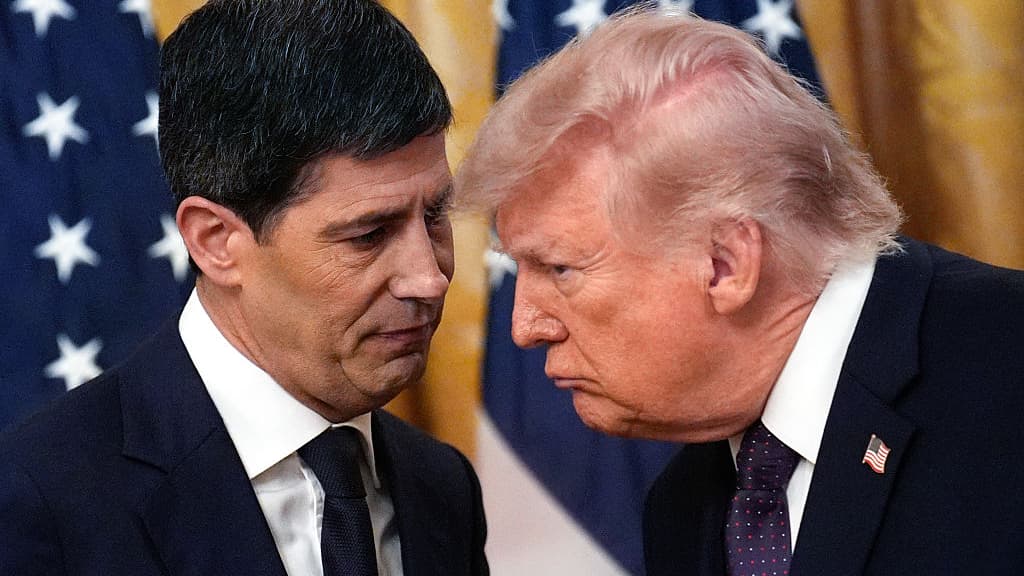
Cover image from businessinsider.com, which was analyzed for this article
New Fed Chair Kevin Warsh led his first FOMC meeting with no rate change, sending hawkish signals to markets. The session occurred amid positive market reactions to the Iran deal and shifting rate expectations.
PoliticalOS
Thursday, June 18, 2026 — Business
Warsh’s debut meeting kept rates unchanged yet shifted emphasis toward internal reviews and a firmer inflation stance, leaving markets to adjust expectations without the detailed guidance they had grown accustomed to receiving.
What outlets missed
Coverage did not independently confirm the precise scope or membership of the five task forces, leaving their potential impact on policy unverified. The role of any recent developments in the Middle East, including an Iran deal, in shaping market expectations around rates received no sourcing across the outlets. No outlet supplied data on how the shorter statement or reduced forward guidance altered trading volumes or volatility measures on the day of the announcement.
The Federal Reserve left its benchmark interest rate unchanged at its June meeting, the first under Chair Kevin Warsh. Markets had priced in easier policy earlier in the year, yet Warsh used the post-meeting press conference to stress the priority of returning inflation to the 2 percent target and to announce five task forces that will examine the central bank’s forecasts, communications, use of artificial intelligence, and internal operations.
Warsh, appointed by President Donald Trump after Jerome Powell’s departure in May, drew on his earlier review of the Bank of England’s transparency practices when he described the reviews as a chance to question assumptions and consider alternatives. The task forces, which include outside consultants, are scheduled to deliver recommendations by year-end. The FOMC statement itself was shorter than in prior meetings and omitted forward guidance on rates.
Reactions from market participants and economists centered on the hawkish tilt. Mohamed El-Erian called the approach a “reform-oriented breath of fresh air.” Jeffrey Gundlach said the emphasis on price stability reduced the odds of aggressive easing. Diane Swonk noted that nearly half the committee members projected at least one rate increase this year. Liz Thomas and Steve Blitz observed that reduced forward guidance would leave markets to set more of the path for rates themselves.
The Fed’s dual mandate requires balancing maximum employment and stable prices. Lower rates support hiring but risk lifting inflation; higher rates restrain prices but can slow growth. Warsh’s remarks indicated the committee intends to let tighter financial conditions help achieve the inflation goal without committing to a specific rate path.
More in Business & Economy
Fed Raises Rates 0.25 Points to Fight Inflation Despite Trump Pushback
The Federal Reserve hiked its benchmark rate by 0.25 points in a unanimous vote, its first since 2023, to combat inflation tied to energy shocks. President Trump publicly attacked the decision and called for cuts weeks before midterms.

Stocks Rise, Oil Drops Below $104 After Fed Hike
Stocks pointed higher after the rate hike while Treasury yields eased and oil retreated below $104. Generac shares surged on a data center deal.

Treasury yields hit 19-year high as oil tops $107 on Saudi strikes
The 10-year Treasury yield reached its highest level since 2007 near 5% as oil prices climbed above $100 on Middle East tensions. Markets are pricing in Fed rate hikes and inflation concerns.

Fed rate hike odds climb as inflation lingers from energy shocks
The Federal Reserve hiked its benchmark rate by 0.25 points in a unanimous vote, its first since 2023, to combat inflation tied to energy shocks. President Trump publicly attacked the decision and called for cuts weeks before midterms.
The Compass
You just read five takes on one story.
What's your take? Find your political shape in a few minutes.
Take the test