
Johnson Unveils 3-Year FISA 702 Plan as April 30 Deadline Looms

Cover image from thedispatch.com, which was analyzed for this article
After failed votes, Speaker Johnson offers fresh bill to renew surveillance powers by April 30 deadline. GOP battles over curbing abuses in Section 702 persist. Privacy vs security debate heats up.
PoliticalOS
Friday, April 24, 2026 — Politics
Congress must decide by April 30 whether to renew Section 702 with only modest oversight additions or insist on a warrant requirement for queries of Americans' incidentally collected communications. The program has produced both clear national security value according to intelligence officials and repeated FBI compliance violations according to court records. Readers should weigh both sides of that ledger rather than accept any single outlet's emphasis on dysfunction, privacy or threat prevention.
What outlets missed
Most coverage underplayed the scale of the program's documented successes. Annual ODNI assessments credit Section 702 with contributing intelligence that helped disrupt terrorist financing, weapons transfers and planned attacks, though specific counts remain classified and are presented by officials seeking renewal. Coverage also gave little attention to 2024 legislative changes that added FBI query restrictions, mandatory training and outside amici for the FISA Court; these reforms coincided with reported drops in non-compliant searches according to DOJ oversight summaries. Finally, the precise volume of incidental U.S. person collection is not public, yet estimates derived from declassified sampling suggest it affects communications involving hundreds of thousands of foreign targets each year, a context that clarifies both the privacy stakes and the intelligence value without appearing in most reporting.
Speaker Johnson Revives Warrantless Surveillance Program Despite Conservative Backlash
WASHINGTON Speaker Mike Johnson is pressing forward with a plan to extend Section 702 of the Foreign Intelligence Surveillance Act one of the most sweeping domestic spying authorities ever granted to the federal government. The new proposal unveiled Thursday is essentially unchanged from the version that collapsed in overnight votes earlier this month leaving the program on track to expire April 30 unless Congress acts.
The Louisiana Republican and the intelligence community insist the program is vital for national security. In practice it has become a backdoor warrantless surveillance system that scoops up the emails texts and phone calls of ordinary Americans every single day. Privacy advocates from both parties have spent years trying to close that backdoor. Their efforts have repeatedly been blocked by the same agencies and officials who benefit from unchecked access to Americans private communications.
Section 702 was sold to Congress in 2008 as a tool to monitor foreign terrorists and spies overseas. But the architecture of the program makes incidental collection of American data inevitable. Once that data lands in government databases the FBI CIA and other agencies can search it at will without a warrant without probable cause and often without any record that would allow meaningful oversight. A 2023 report from the Privacy and Civil Liberties Oversight Board itself a government watchdog detailed how these so called U S person queries and upstream collection methods create serious risks to constitutional rights.
Lawmakers concerned about those risks forced two failed votes this month. A clean five year extension and an 18 month stopgap both went down after privacy minded Republicans joined with civil liberties Democrats to demand basic protections. Those protections a requirement that agents get a warrant before rummaging through an American citizens intercepted communications have been blocked every time by intelligence officials who claim the extra paperwork would cripple their operations.
This is the same intelligence community that spent years abusing FISA against domestic political targets including the Trump campaign in 2016. Many conservatives who once trusted these agencies have grown skeptical after watching years of selective leaks selective prosecutions and selective applications of the law. That skepticism is now colliding with the reality of Republican control of the White House and both chambers of Congress. President Trump who once called the surveillance system an abuse of power has reversed course and thrown his support behind renewal. His officials now echo the same arguments previous administrations made that any restraint on warrantless queries endangers the country.
Johnson finds himself caught between institutional pressure from the intelligence apparatus and a growing bloc of House members who campaigned against exactly this kind of government overreach. The speakers new bill makes modest procedural changes but leaves the core problem intact no warrant no probable cause no real accountability for agents who misuse the system. Critics inside the GOP say that is not reform it is surrender.
The temporary extension now in place runs out in less than a week. If Johnson cannot find the votes the program will lapse forcing the intelligence agencies to confront the possibility that Americans might actually expect their own government to obey the Fourth Amendment. Intelligence officials warn of dire consequences. Civil libertarians counter that the dire consequences have already arrived in the form of a permanent surveillance state that treats every American as a potential suspect whose data can be queried whenever some bureaucrat decides it serves the national interest.
The internal Republican fight is revealing. For all the talk of a new GOP that distrusts Washington institutions the old incentives remain powerful. Defense contractors intelligence bureaucrats and career officials who rotate between government and lucrative private sector jobs have spent decades building this apparatus. They do not intend to let it be dismantled by something as inconvenient as public opposition or constitutional principle.
Whether Johnson can muscle the bill through before the deadline will test whether the Republican majorities elected on promises of curbing government power are serious or whether the surveillance state has simply captured another generation of leaders. The American people watching their private communications get vacuumed up without a warrant deserve to know which it is.
The outcome will not only determine the future of Section 702. It will signal whether the post 2016 reckoning with the intelligence community was real or just another campaign talking point that fades once the cameras stop rolling.
You just read America First's take. Want to read what actually happened?
More in Politics

Trump Defends Ramaswamy Ad Using Estranged Mother in Ohio Race
President Trump defended a GOP nominee's ad featuring a Democratic opponent's estranged mother, calling it powerful, while drawing criticism from some Republicans including Ohio Gov. Mike DeWine. The ad has sparked internal GOP tensions ahead of midterms.

Federal Raid Targets Omar Amid Unresolved Name and Marriage Allegations
Agents searched Rep. Ilhan Omar's DC residence over immigration fraud allegations; she called it bizarre. Reports and commentary questioned her birth name and past marriage details.

Supreme Court Upholds New Hampshire Student ID Voting Ban
The Supreme Court upheld New Hampshire's ban on student IDs as valid voter identification just before midterms, affecting a tight Senate race.
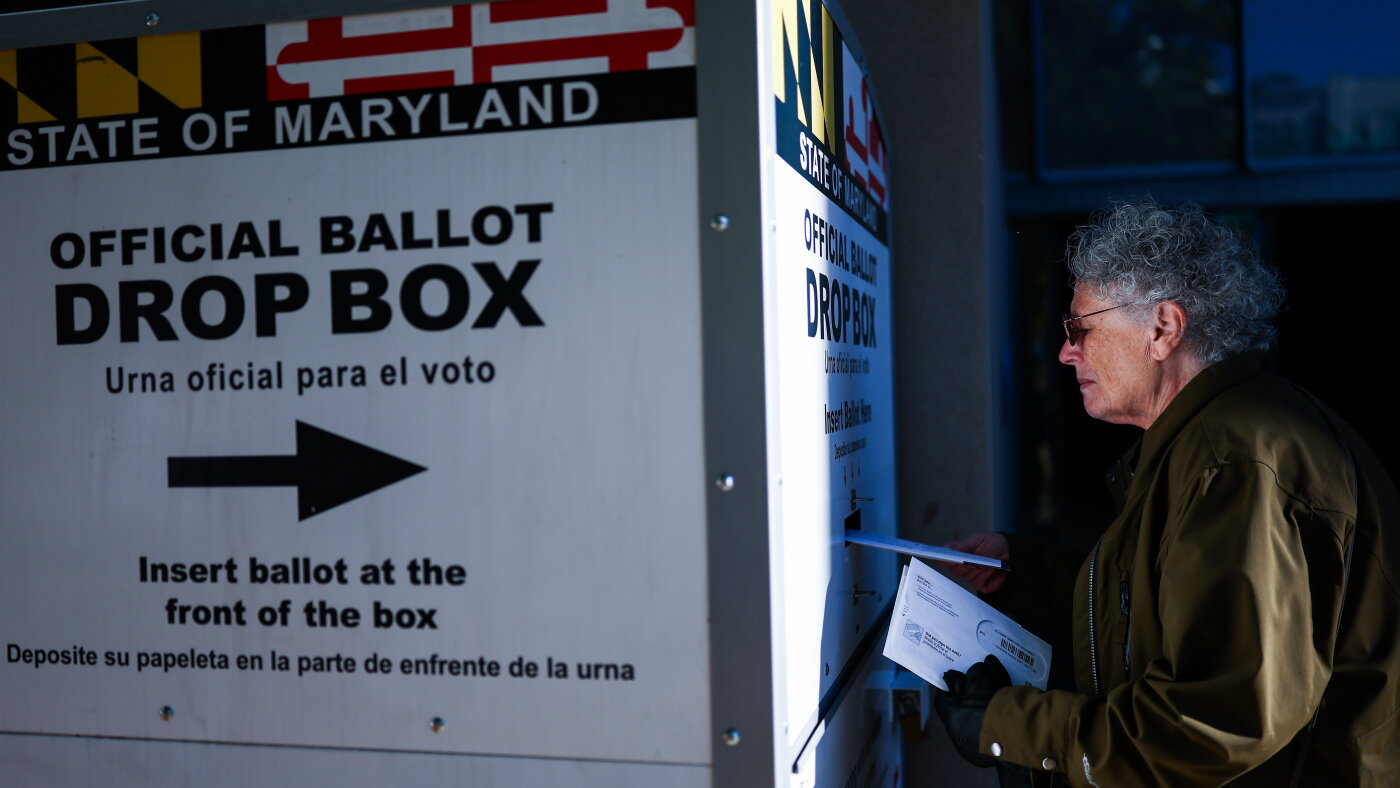
Early Voting Hits 21 Million as Most Trust Midterm Accuracy
Millions have already voted early as parties make final appeals amid $1.4 billion in ad spending; polls show confidence in election accuracy.
The Compass
You just read five takes on one story.
What's your take? Find your political shape in a few minutes.
Take the test