
83-Year-Old Rep. Wilson Misses 43 Straight House Votes
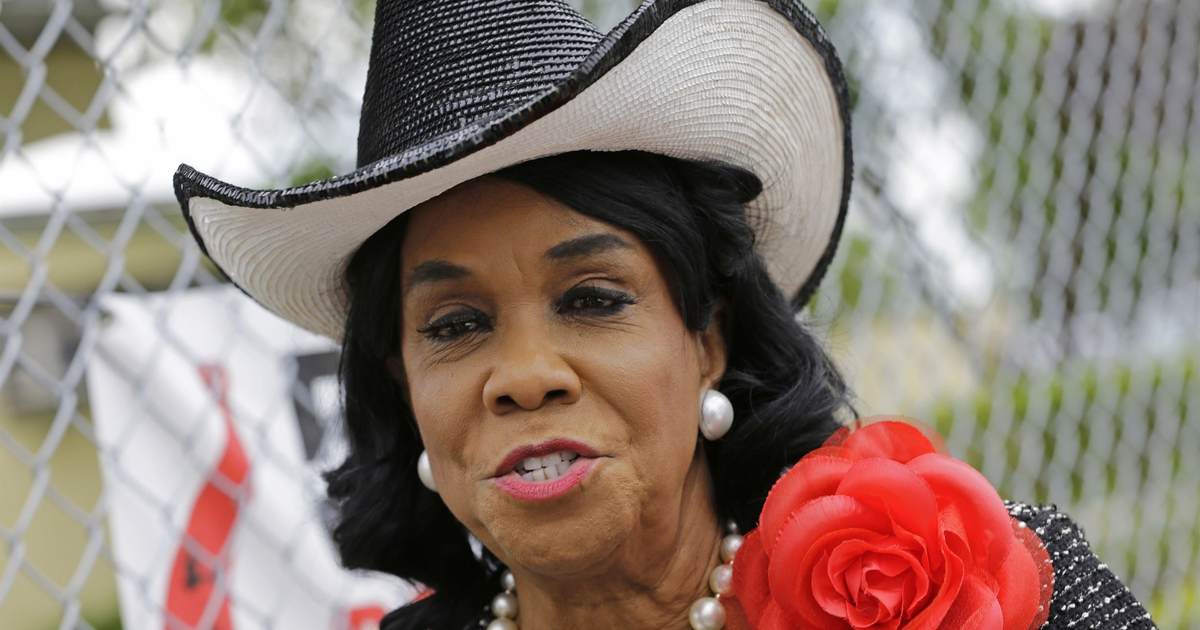
Cover image from redstate.com, which was analyzed for this article
Rep. Frederica Wilson, 83, has missed over 40 consecutive votes, sparking concerns and reports of her mysterious disappearance from Congress. GOP leaders express confusion. Questions mount about her status.
PoliticalOS
Thursday, May 14, 2026 — Politics
Wilson's 43 missed votes represent a concrete gap in representation during a period of slim House margins, yet a medical recovery explanation has surfaced that mirrors other recent absences. Voters gain little from framing that treats routine health-related gaps as deliberate concealment.
What outlets missed
Most coverage omitted House Minority Leader Hakeem Jeffries' May 14 confirmation that Wilson is recovering from a medical procedure and expected to return shortly, a detail that aligns her case with Kean's documented health absence. Few quantified the precise legislative impact, including missed votes on the FISA reauthorization extension tracked by GovTrack.us. Outlets rarely noted that Wilson's district carries a strong Democratic lean per Cook Political Report analysis, reducing any immediate electoral consequence compared with competitive seats. Coverage also underplayed Kean's longer streak of roughly 70 missed votes and the narrow 219-215 House margin that amplifies any single absence.
Florida Democrat Frederica Wilson Absent From House for Nearly a Month
Representative Frederica Wilson, an 83-year-old Democrat from Florida, has not cast a vote in the House since April 17, missing more than 40 consecutive roll calls over the past four weeks. The absence has drawn attention both for its length and for the limited information provided by her office during that time. Wilson serves on the House committees on Transportation and Infrastructure and on Education and the Workforce, neither of which has recorded her participation in recent hearings.
Her official social media accounts have continued to post material, including images from a Service Academy Day event that were originally circulated last October. Capitol Hill reporter Jamie Dupree noted the reuse of those photographs, which created the appearance of recent constituent activity. No new public events or committee appearances by Wilson have been documented since mid-April.
House Minority Leader Hakeem Jeffries told reporters on May 14 that Wilson is recovering from a medical procedure and is expected to return to Capitol Hill shortly. That statement came after several days of inquiries from journalists and after similar, unexplained absences by other members had already surfaced. In April, New Jersey Republican Representative Thomas Kean Jr. was unreachable for an extended period before House Speaker Mike Johnson confirmed he was addressing a personal health matter. Former Texas Republican Representative Kay Granger was later found to have been receiving dementia care during a prolonged absence before her retirement.
Wilson represents Florida’s 24th district, covering parts of Miami-Dade and Broward counties. The seat has been reliably Democratic, yet she faces a primary challenge on August 18 from Christine Sanon-Jules Olivo, a small-business owner and NAACP affiliate. Wilson has held the seat since 2013 and is seeking another term in November.
The episode underscores recurring questions about how Congress manages extended member absences. Unlike many state legislatures, the House has no formal mechanism requiring public disclosure of health-related leaves or temporary replacements. Members can remain on committees and retain full voting rights even when they are physically unable to participate. Data from the past decade show that members over age 80 miss votes at higher rates than their younger colleagues, a pattern driven by both health issues and the growing share of older lawmakers.
Wilson’s district is heavily Democratic, which has historically insulated incumbents from serious electoral pressure. The current primary contest, however, introduces a new variable. Challenger Sanon-Jules Olivo has focused on generational change and constituent services, themes that could gain traction if voters conclude that Wilson’s prolonged absence reflects diminished capacity. Similar dynamics have appeared in other districts where long-serving members faced health-related questions late in their careers.
Congressional offices routinely handle scheduling and communications for members recovering from illness or medical procedures. In Wilson’s case, the combination of recycled social media content and the absence of any contemporaneous explanation left a vacuum that outside observers filled with speculation. Jeffries’s statement may close that gap, but it also highlights the ad-hoc nature of current practices: information often surfaces only after sustained press inquiries rather than through routine disclosure.
The broader pattern of recent absences suggests that both parties confront similar challenges as the median age of members continues to rise. Without clearer rules on transparency or temporary delegation of duties, extended gaps in representation remain possible even in the middle of a legislative session. For districts like Florida’s 24th, voters will soon have an opportunity to weigh whether continuity or a change in representation better serves their interests.
You just read Liberal's take. Want to read what actually happened?
More in Politics
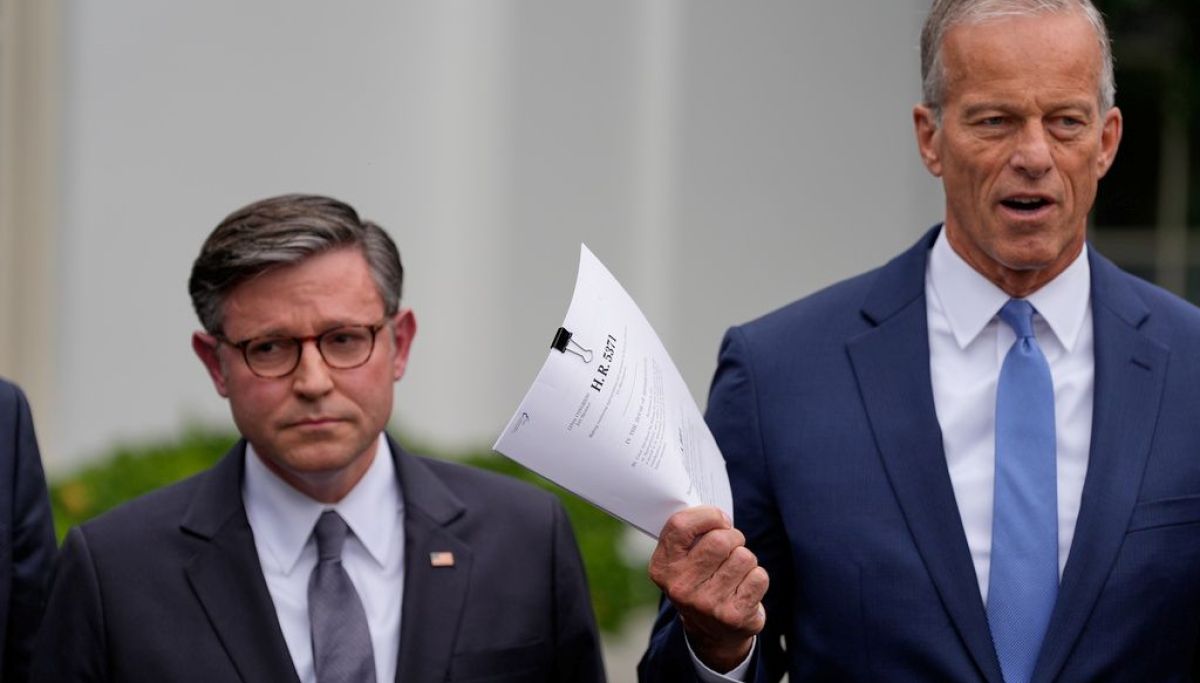
Trump at 32% Approval as Gas Prices Test GOP Midterm Hopes
NYT/Siena polling showed Trump's approval at historic lows around 32 percent with Democrats leading by double digits in key districts. Early voting has surged in battleground states.

Record Early Voting Hits Battlegrounds, Shifting Partisan Shares
AP analysis found hundreds of thousands more early ballots than in 2022 in states including Texas, Ohio, Kansas, Maine, and North Carolina, shifting partisan dynamics.
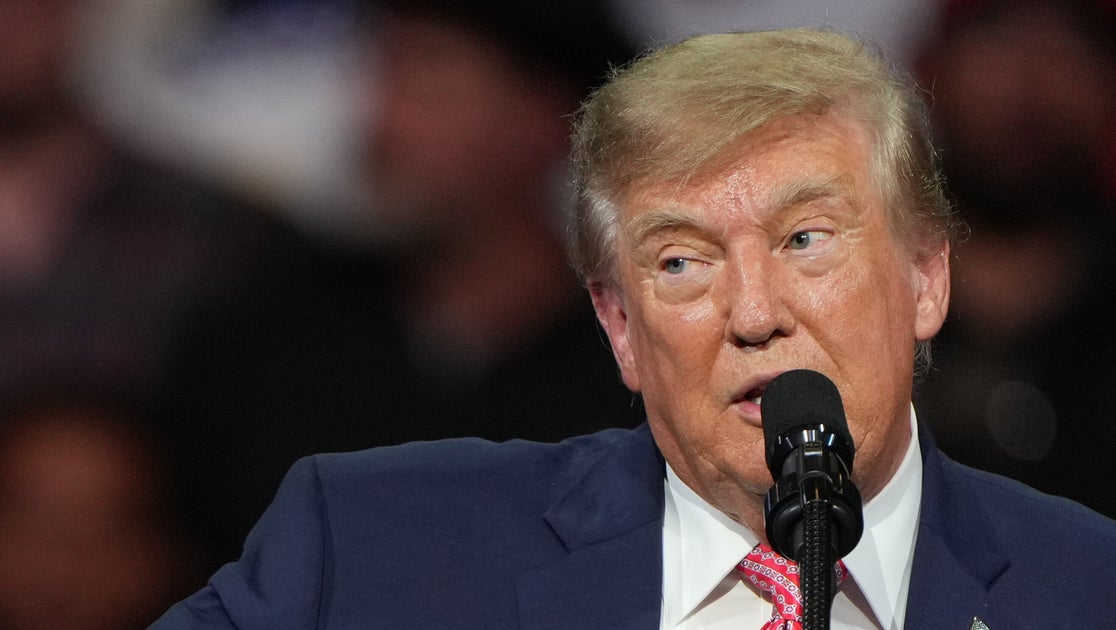
Trump Backs Marshall in Kansas Senate Race Tightened by Farm Costs
President Trump rallied in deep-red Kansas for GOP Sen. Roger Marshall in a competitive race, announcing an $8 billion farm fuel relief program amid high diesel prices. Democrats see an opening to end 94 years of GOP dominance in the state.

Trump Pauses Russia Sanctions Amid Ukraine Tensions and Missile Strikes
Trump waived sanctions on Russia and floated trilateral talks with Putin and Xi as part of ending the Ukraine war, while tensions rose with Zelenskyy over Starlink and arms. Bipartisan senators engaged Zelenskyy amid the shifts.
The Compass
You just read five takes on one story.
What's your take? Find your political shape in a few minutes.
Take the test