
Artists Exit Trump-Linked 250th Concerts Over Misleading Pitch

Cover image from pagesix.com, which was analyzed for this article
Multiple performers including Young MC, Morris Day, and Martina McBride have pulled out of the semiquincentennial events citing misleading information or threats. The exodus has drawn mockery from late-night hosts and analysts questioning the festival's viability. Organizers face mounting setbacks just weeks before the planned July celebrations.
PoliticalOS
Friday, May 29, 2026 — Politics
Multiple performers withdrew after learning of Freedom 250’s political ties, citing a gap between the nonpartisan description they received and the event’s actual sponsorship. Organizers maintain the program is open to all Americans and continue recruitment. The pattern of exits leaves the June 25 start date with a reduced roster and unresolved questions about participation.
What outlets missed
Most coverage omitted that Freedom 250 operates alongside the separate, congressionally created America250 commission established years earlier. Few noted the event’s specific programming elements such as Military & Veterans Appreciation Day, Faith Values and Inspiration Day, and MAHA Monday tied to Health and Human Services Secretary Robert F. Kennedy Jr. Only one outlet recorded that planning documents and federal agency involvement predate the current administration. The distinction between the Trump-initiated group and the official bipartisan commission received inconsistent attention across reports.
Artists Abandon Freedom 250 Celebration After Coordinated Backlash and Threats
Multiple performers have withdrawn from the upcoming Freedom 250 festival on the National Mall, an event organized to mark America's 250th anniversary with music, military tributes and patriotic displays. The pullouts follow a wave of criticism that labeled the gathering too closely tied to President Trump, despite organizers describing it as a bipartisan effort open to all Americans.
Country singer Martina McBride was among the latest to exit, announcing her decision one day after being named headliner for the June 25 opening night. She stated that she had been assured the show would remain nonpartisan and focused on celebrating all 50 states, but later concluded the presentation had changed. Similar statements came from the Commodores, who cited a desire to avoid affiliation with any political party, and rapper Young MC, who said he was never informed of political connections before the lineup was released.
Rocker Bret Michaels also stepped away, citing violent threats directed at him, his band and his fans. He described the original pitch as a straightforward tribute to veterans, first responders and everyday workers, only to see it turn divisive in the days after the announcement. Earlier withdrawals by Morris Day and others followed the same pattern, with artists claiming the event had been sold to them as apolitical.
The festival, set to run for 16 days starting later this month, includes plans for concerts alongside tributes to military service members and displays highlighting American history and culture. Construction of a temporary arena has already begun on the South Lawn area to accommodate portions of the programming. Organizers have maintained that the project operates independently of official government channels yet aligns with broader efforts to honor the nation's founding.
Critics have seized on the Trump administration's support for the anniversary events to portray them as partisan. Several artists referenced media descriptions of the initiative as Trump-backed when explaining their departures. This framing has fueled online pressure and, in at least one case, explicit safety concerns that prompted performers to reconsider.
The rapid exodus leaves the remaining lineup thinner, with some acts still undecided. Vanilla Ice and others have not yet commented publicly on their status. The pattern reflects a recurring dynamic where events framed around national pride encounter swift opposition once any connection to the current administration surfaces.
Supporters of the festival argue that the core purpose remains straightforward: marking a significant historical milestone with music and public gatherings on federal grounds. The departures, they contend, stem less from genuine policy disagreements and more from an environment where association with certain figures triggers professional and personal risks. As the June start date approaches, the event continues preparations amid questions about which performers will ultimately take the stage.
You just read America First's take. Want to read what actually happened?
More in Politics
Trump at 32% Approval as Gas Prices Test GOP Midterm Hopes
NYT/Siena polling showed Trump's approval at historic lows around 32 percent with Democrats leading by double digits in key districts. Early voting has surged in battleground states.

Record Early Voting Hits Battlegrounds, Shifting Partisan Shares
AP analysis found hundreds of thousands more early ballots than in 2022 in states including Texas, Ohio, Kansas, Maine, and North Carolina, shifting partisan dynamics.
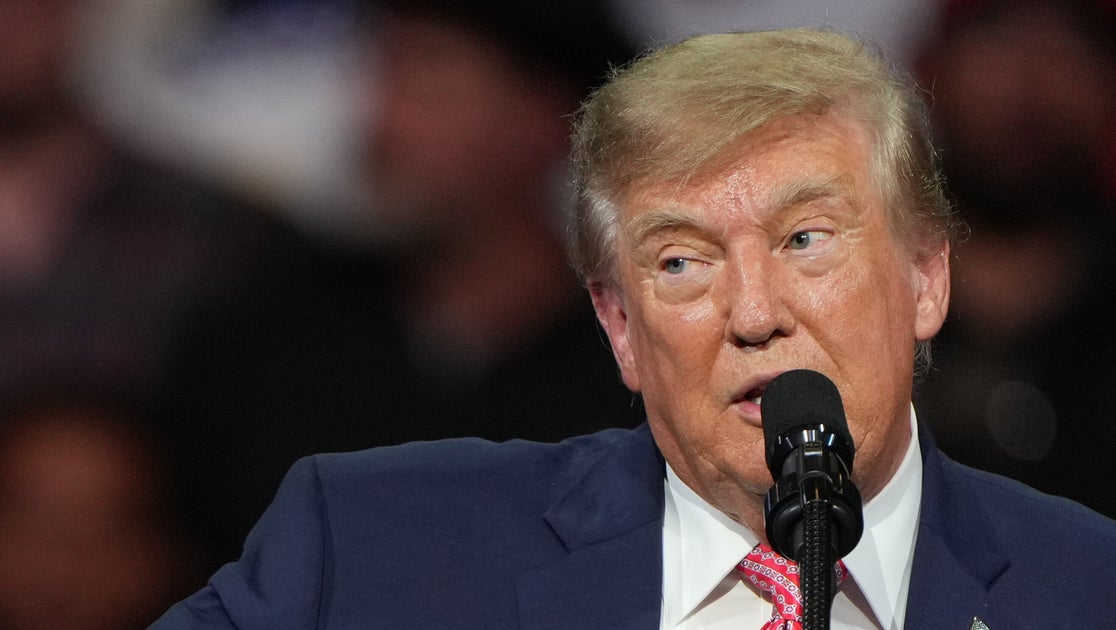
Trump Backs Marshall in Kansas Senate Race Tightened by Farm Costs
President Trump rallied in deep-red Kansas for GOP Sen. Roger Marshall in a competitive race, announcing an $8 billion farm fuel relief program amid high diesel prices. Democrats see an opening to end 94 years of GOP dominance in the state.

Trump Pauses Russia Sanctions Amid Ukraine Tensions and Missile Strikes
Trump waived sanctions on Russia and floated trilateral talks with Putin and Xi as part of ending the Ukraine war, while tensions rose with Zelenskyy over Starlink and arms. Bipartisan senators engaged Zelenskyy amid the shifts.
The Compass
You just read five takes on one story.
What's your take? Find your political shape in a few minutes.
Take the test