
Artist Pullouts Shift US 250th Events Toward Trump Rally Format

Cover image from npr.org, which was analyzed for this article
Several musicians withdrew from US 250th anniversary events, prompting Trump to pivot toward a rally format. Officials defended the nonpartisan intent amid donor scrutiny and political backlash.
PoliticalOS
Monday, June 1, 2026 — Politics
The 250th anniversary events face simultaneous pressure from artist withdrawals and unanswered questions about private funding sources. Officials maintain the programs are nonpartisan, yet no donor list has been produced and the format may shift toward a rally. Readers should track whether future disclosures resolve the tension between stated intent and documented financing arrangements.
What outlets missed
No outlet provided an independent list of remaining confirmed performers or the total number of artists originally booked. Details on the exact dollar amounts involved in the alleged pay-to-play arrangements were absent from all three accounts and could not be independently verified. The National Park Foundation's formal role in channeling any public funds received only passing mention and was not examined through primary documents. Burgum's full on-camera defense of the events as celebrations of national achievements rather than partisan spectacles appeared only partially in the available coverage.
Trump Floats Rally For America 250 After Performers Walk Away
President Trump over the weekend floated turning the upcoming Freedom 250 celebration into a straightforward rally with himself as the featured speaker. The suggestion came after a string of musicians and performers scheduled for the event pulled out amid pressure campaigns from activist groups and media outlets.
The 250th anniversary of American independence is set for next year. The White House has partnered with several major companies to organize events marking the occasion, including Palantir and ExxonMobil. Organizers have described the project as a chance to highlight national achievements without the usual layers of bureaucratic oversight. Critics on the left have responded by filing lawsuits and launching congressional inquiries focused on donor lists and funding flows.
A government watchdog organization called Public Employees for Environmental Responsibility sued the Interior Department this month. The group claims the administration has not turned over enough records about how money is moving through the congressionally chartered National Park Foundation. Democrats in the Senate, led by Adam Schiff, have opened their own review and are pressing for names of private contributors. Trump administration officials have dismissed the demands, noting that private support for patriotic events has long operated without the disclosure rules activists now insist upon.
The pattern of artists dropping out fits a familiar script. Performers who initially agreed to appear faced immediate online campaigns labeling the event as partisan. Rather than defend the bookings, many simply withdrew. Trump pointed out that a rally format would bypass the need to court talent vulnerable to such tactics. He framed the idea as a direct way to mark the anniversary with speeches and appearances centered on American history and sovereignty.
Questions about corporate involvement have dominated coverage from outlets aligned with the opposition. Yet the companies listed as partners are established American firms with long records of domestic operations. The push for full donor transparency appears selective. Similar events under previous administrations drew far less scrutiny when funding came through nonprofit channels. The lawsuit from the environmental group carries its own policy agenda, one that has repeatedly targeted energy and technology sectors.
Trump's rally proposal shifts the focus back to public participation. It avoids reliance on entertainers who can be pressured into silence and instead puts the emphasis on citizens attending an event celebrating the country's founding principles. Administration sources indicate planning continues regardless of the performer exodus. The anniversary itself remains fixed, and the administration has shown no sign of scaling back the core programming.
The donor inquiries and artist withdrawals together illustrate how routine patriotic observances now trigger institutional resistance. Demands for donor lists often serve as tools to generate headlines rather than genuine oversight. Trump’s suggestion of a rally format cuts through the maneuvering by offering a simple alternative that does not depend on external validation from the entertainment industry. The 250th anniversary will proceed, with or without the original lineup.
You just read America First's take. Want to read what actually happened?
More in Politics

Trump Defends Ramaswamy Ad Using Estranged Mother in Ohio Race
President Trump defended a GOP nominee's ad featuring a Democratic opponent's estranged mother, calling it powerful, while drawing criticism from some Republicans including Ohio Gov. Mike DeWine. The ad has sparked internal GOP tensions ahead of midterms.
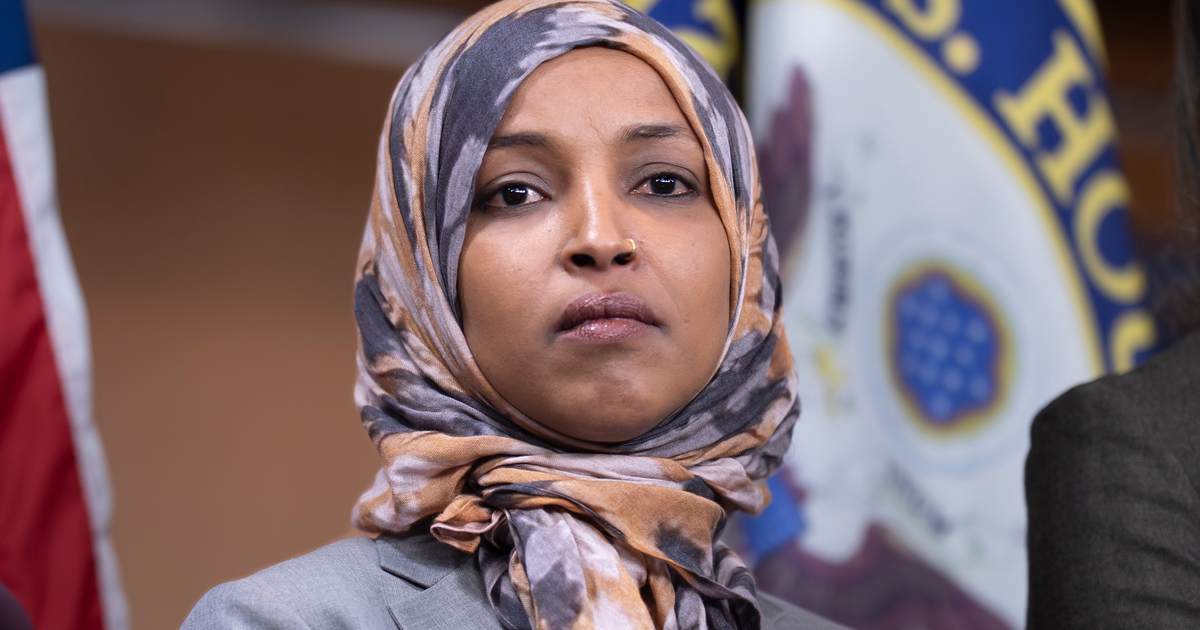
Federal Raid Targets Omar Amid Unresolved Name and Marriage Allegations
Agents searched Rep. Ilhan Omar's DC residence over immigration fraud allegations; she called it bizarre. Reports and commentary questioned her birth name and past marriage details.

Supreme Court Upholds New Hampshire Student ID Voting Ban
The Supreme Court upheld New Hampshire's ban on student IDs as valid voter identification just before midterms, affecting a tight Senate race.
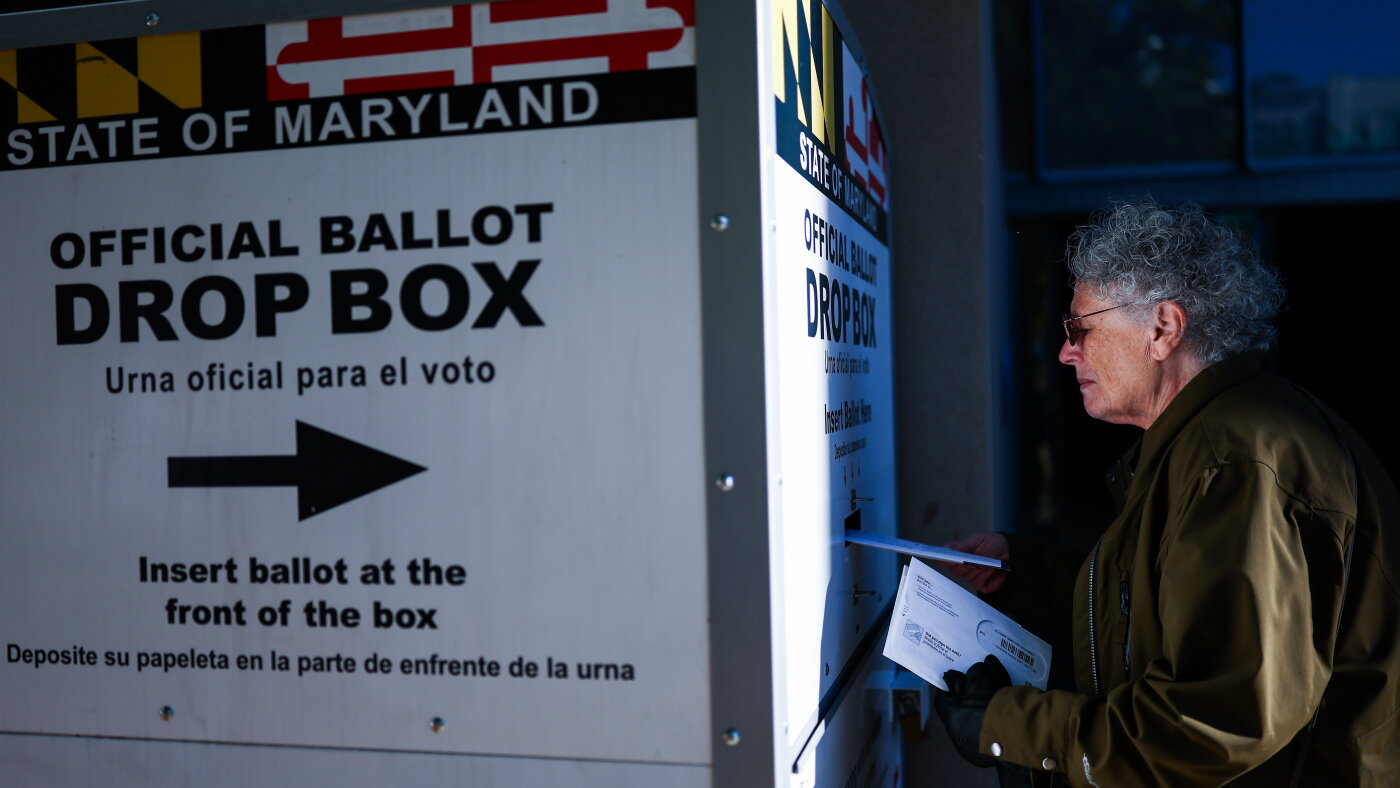
Early Voting Hits 21 Million as Most Trust Midterm Accuracy
Millions have already voted early as parties make final appeals amid $1.4 billion in ad spending; polls show confidence in election accuracy.
The Compass
You just read five takes on one story.
What's your take? Find your political shape in a few minutes.
Take the test