
G7 opens with interim Iran deal and Ukraine push at Evian
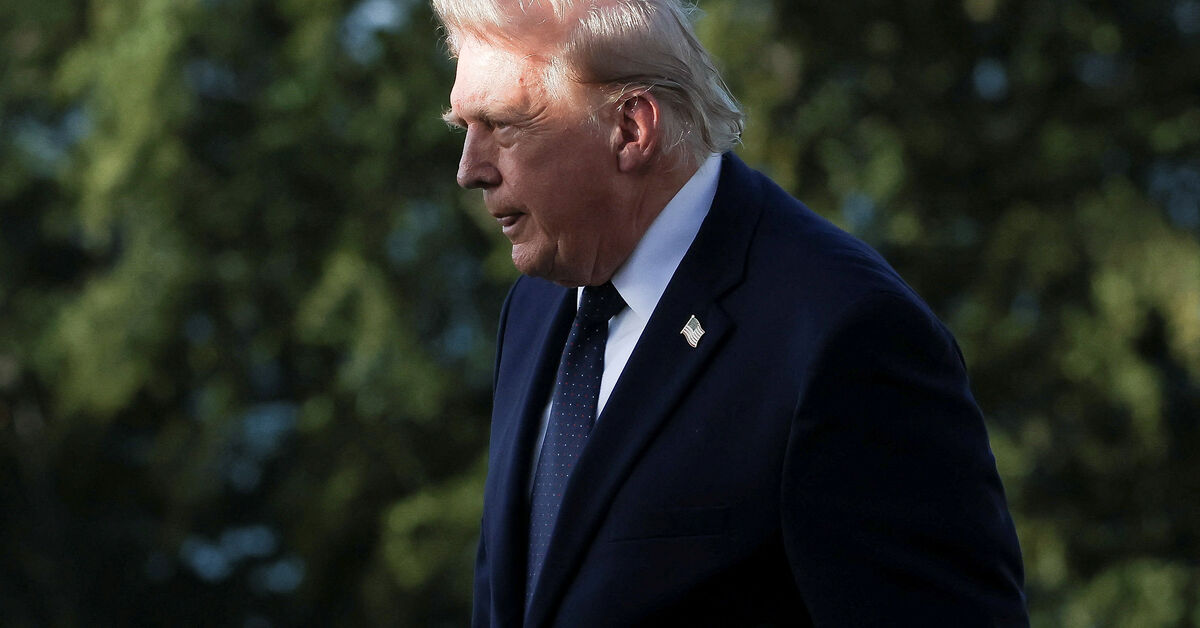
Cover image from al-monitor.com, which was analyzed for this article
World leaders gathered in Biarritz amid the Iran deal announcement, Ukraine talks, and protests, with Trump meeting Zelenskyy and other allies. Coverage highlighted both diplomatic progress and skepticism over outcomes.
PoliticalOS
Tuesday, June 16, 2026 — Politics
An interim U.S.-Iran agreement has been reached with a Friday signing planned, yet European allies are pressing for stronger verification and missile limits while simultaneously urging Trump to back a Ukraine deal on terms less favorable to Moscow. The summit opened with visible diplomatic courtesies and a newly arranged Trump-Zelenskyy meeting, but the core unresolved questions remain the durability of the Iran framework and the path to ending the war in Ukraine.
What outlets missed
Most coverage omitted the explicit 60-day technical window for talks on enriched uranium and sanctions relief that multiple diplomats described as the core next step. Few noted that Canada joined the joint statement by France, Germany, Italy and the UK congratulating the parties on the breakthrough. Little attention was given to the fact that Zelenskyy had already offered a direct meeting with Putin earlier in the month and received the same rejection before repeating the offer at the summit.
Trump Claims Iran Nuclear Deal Is Done as European Allies Demand Stronger Terms at G7
Donald Trump arrived at the G7 summit in Evian-les-Bains on Monday evening and immediately declared that a deal with Iran was essentially complete. The US president told reporters that the Strait of Hormuz would be “completely open” by Friday and that Tehran had agreed not to pursue nuclear weapons under “strong policing powers.” He added that oil prices were falling and stock markets were rising as a result.
No formal agreement has been signed, however. A memorandum of understanding is scheduled for a ceremony in Geneva on Friday, after which a 60-day period of technical negotiations would begin. Those talks are expected to address Iran’s stockpile of highly enriched uranium and the lifting of sanctions. French President Emmanuel Macron said the priority was a “solid, serious agreement that is finalised,” and he scheduled Tuesday’s working lunch to focus on safely reopening the Strait of Hormuz, including the possibility of a Franco-British maritime mission and alternative energy routes.
European officials have made clear they are concerned that an interim arrangement could leave Iran’s nuclear and ballistic missile programmes largely intact. Diplomats told Reuters that the US negotiating team’s relative inexperience raised the risk of an agreement that fails to impose lasting restrictions. Continued Israeli strikes in Lebanon and Iranian assertions about charging fees for passage through the Strait have already exposed loose ends in the current understanding.
Israeli Prime Minister Benjamin Netanyahu has not criticised the emerging deal but has distanced himself from the talks. Analysts noted that none of his initial war aims—regime change in Tehran or the complete destruction of Iran’s nuclear infrastructure—have been achieved. Israel has also said it will retain territory it occupies in southern Lebanon.
The summit agenda extends beyond Iran. European leaders plan to press Trump on Ukraine, where they want any peace settlement to reflect Kyiv’s core security interests rather than Russian demands. Trump is scheduled to hold a one-on-one meeting with Ukrainian President Volodymyr Zelensky later Tuesday after a group session that morning. He told reporters that Russia should make a deal, noting heavy losses on both sides.
The atmosphere at the summit mixed diplomacy with personal gestures. German Chancellor Friedrich Merz presented Trump with a Germany World Cup jersey bearing the name “Trump” and the number 47. Trump unfolded the shirt, posed for photographs and said it was “great.” The gift came after months of friction between the US president and several European counterparts over tariffs, NATO spending and Middle East policy.
Leaders from the United Arab Emirates, Qatar and Egypt joined parts of Tuesday’s discussions but are not expected to take part in detailed talks on Iran’s nuclear programme. The G7 members—joined by the European Union—will continue their meetings through Wednesday.
You just read Progressive's take. Want to read what actually happened?
More in Politics

Judges Block Trump Mail Ballot Rule as Supreme Court Review Looms
Federal judges halted President Trump's executive order restricting mail balloting via USPS. The Supreme Court is expected to review amid ongoing election legal battles.

Trump, Vance Push GOP Midterms With Seven Weeks Left
With seven weeks to Election Day, Trump and Vance are campaigning in key states. GOP faces challenges including voting rule disputes and internal tensions.

States Clash Over Voter Rolls, Mail Rules Ahead of Midterms
Officials train to counter interference while states debate mail voting and oversight. Both parties accuse each other of undermining trust ahead of November.

Hegseth Reforms Prompt Pentagon Doubts Over Trust and Readiness
Defense Secretary's efforts to refocus the military sparked internal pushback and accusations of creating mistrust. Coverage spans major outlets.
The Compass
You just read five takes on one story.
What's your take? Find your political shape in a few minutes.
Take the test