
Disputed DHS tally of 250,000 noncitizens on rolls fuels midterm clashes
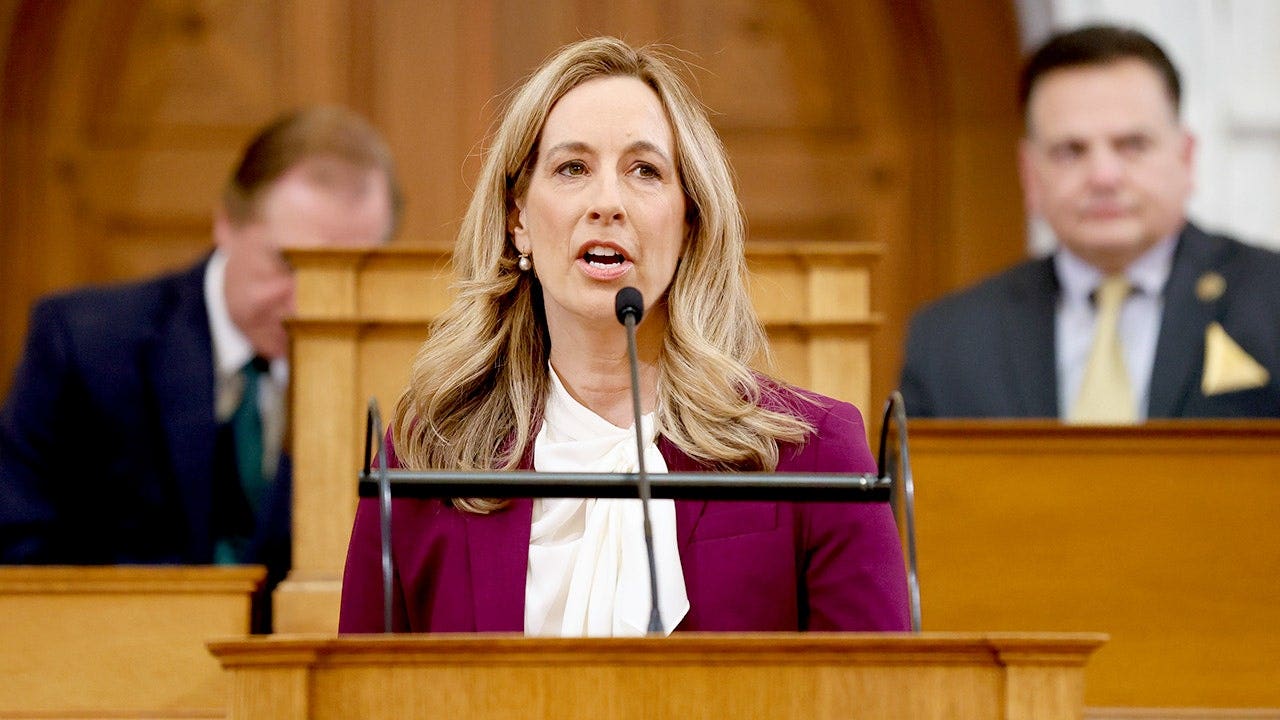
Cover image from foxnews.com, which was analyzed for this article
Trump administration claims 250,000 noncitizens on voter rolls in key states, sparking disputes and concerns over election integrity ahead of midterms.
PoliticalOS
Friday, July 31, 2026 — Politics
The federal claim of 250,000 noncitizens rests on disputed matching methods that states have not been able to verify, while separate state audits have confirmed smaller numbers of ineligible registrations. The outcome will depend on whether disputed lists produce actionable, court-tested removals before the quiet period begins or after votes are cast.
What outlets missed
South Carolina signed a formal memorandum of understanding with the Justice Department in April 2026 authorizing hashed voter-list sharing to detect ineligible registrations, providing documented state consent for the IP-address request. Multiple states publicly challenged the 250,000 figure and requested source records, a step that directly tests the federal methodology. The Heritage Foundation maintains a database of 99 proven noncitizen voting cases since 2000 that supplies a concrete baseline independent of the current dispute. New Jersey's confirmed software error and subsequent removals constitute an independently verified instance of ineligible registrations that several outlets referenced only in passing.
Federal officials have told election administrators in California, Nevada, New Jersey and Pennsylvania that preliminary data matching shows roughly 250,000 noncitizens registered to vote across those states. The Department of Homeland Security sent letters citing name, date of birth, address and Social Security number matches against its records, though the letters described the figures as potential and invited states to verify identities. Three of the states responded by questioning the methodology, noting they had not shared full voter files containing sensitive identifiers, and warning that any systematic removals would violate the 90-day quiet period before the November midterms under the National Voter Registration Act.
New Jersey separately reported that a motor-vehicle software error had placed 6,600 noncitizens on its rolls; the state has removed about 4,500 names after review and found fewer than 400 of those individuals had cast ballots. Other states have conducted their own audits since 2020. Louisiana identified 403 noncitizens and 83 who voted. Iowa found 277 noncitizens and 35 who voted. Michigan reported 15 apparent noncitizen ballots. Ohio, Illinois, Florida and North Carolina have documented smaller numbers over longer periods. The Department of Justice has sued more than 30 states and the District of Columbia to obtain detailed voter rolls, while DHS has pursued data-sharing agreements and, in South Carolina, obtained an IP address tied to an online registration.
State officials in the four targeted states have asked for the underlying records and methodology. Some election administrators, speaking privately, expressed concern that unverified lists could be used to seek court orders for ballot access after Election Day. Federal statements have emphasized that noncitizen voting is illegal and that states must maintain accurate rolls, without specifying how many individuals have been charged in recent cycles. The scale of confirmed cases remains limited to the audits states have chosen to release, and no uniform national reporting requirement exists.
More in Politics

Federal Agents Search Omar Home in Ongoing Immigration Probe
Homeland Security agents searched the Minnesota Democrat's DC residence in a criminal probe, prompting accusations of political intimidation from Omar and Democratic leaders. Coverage spans left-leaning outlets like NPR, BBC, and The Guardian alongside right-leaning criticism from The Federalist and Daily Wire.

Trump Diesel Import Plan Draws Pushback Over Russia Ties
The weekend agreement drew bipartisan congressional pushback and criticism from Ukraine's Zelenskyy, with analysts downplaying US fuel price impacts. Right-leaning outlets like National Review, Dispatch, and Washington Examiner questioned its legality and effectiveness.

Independents Test Voter Appetite for Middle Ground in 2026 Midterms
Nearly 200 independents are running in competitive races as voters weigh ballot measures on housing costs in states like Massachusetts. Left-leaning coverage from NYT, NPR, and Guardian highlights turnout and key races while right outlets focus on GOP strategy.
Trump Rallies in Alaska, Ohio to Bolster GOP Senate Candidates
The president rallied in Wasilla for Sen. Dan Sullivan and faced empty seats at an Ohio event amid midterm concerns. Outlets across the spectrum covered the trips as signals of GOP vulnerability weeks before Election Day.
The Compass
You just read five takes on one story.
What's your take? Find your political shape in a few minutes.
Take the test