
G7 Summit Tests Trump Ties With Allies Over Iran, Ukraine
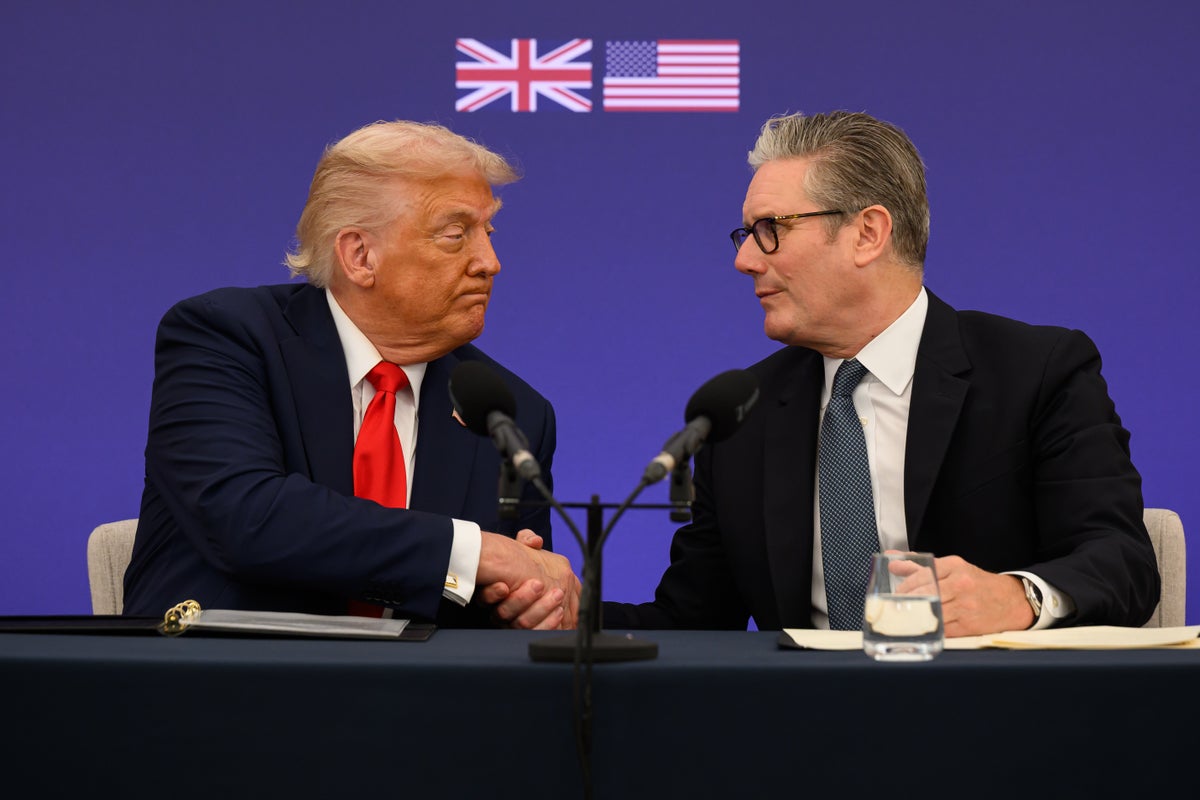
Cover image from independent.co.uk, which was analyzed for this article
World leaders gathered in France for the G7 summit where the US-Iran agreement, Ukraine, and trade disputes dominated discussions. Trump faced pushback from European allies while threatening tariffs on French wine. Coverage includes protests and diplomatic friction.
PoliticalOS
Monday, June 15, 2026 — Politics
The summit’s outcome hinges on whether G7 partners can agree on practical steps to clear the Strait of Hormuz and sustain Ukraine support while managing tariff disputes. European schedule adjustments show active efforts to keep talks on track despite public disagreements. Readers should track whether any joint commitments emerge on de-mining or defense spending rather than the tone of individual remarks.
What outlets missed
Multiple outlets omitted the concrete scheduling changes France made to secure Trump’s full attendance, including shifting the start date for his birthday and adding the Versailles dinner. Few reported the six specific administration goals for the summit that included investment partnerships, Ebola response coordination, and regulatory streamlining for exports. Coverage rarely noted the 20 percent rise in European and Canadian defense spending in 2025 or the administration’s explicit request for G7 participation in strait de-mining once the MOU takes effect.
Trump Seeks Practical Gains on Trade and Conflicts at G7 Summit
President Donald Trump arrived in Evian-les-Bains, France, on Monday for the annual G7 gathering, where bilateral meetings with Middle Eastern leaders are expected to center on reopening the Strait of Hormuz to commercial traffic and advancing negotiations to conclude the conflict with Iran. The president is set to hold separate sessions with the Emir of Qatar and the president of the United Arab Emirates before joining a working lunch with G7 counterparts and regional heads of state.
Senior administration officials described the Strait of Hormuz as a central element in ongoing memorandum of understanding talks. Under the framework, Iran would permit unrestricted passage without tolls, after which the United States would lift its blockade. Officials noted that several G7 nations have indicated readiness to support follow-on measures once the channel is cleared, underscoring the direct link between secure sea lanes and global supply stability. Trump has repeatedly pointed to the reluctance of European partners to back enforcement of open commerce in recent months, a stance he tied to higher energy costs and disrupted shipping.
The summit agenda also includes a Tuesday session with Ukrainian President Volodymyr Zelenskyy focused on ending the Russia-Ukraine war. No formal one-on-one meeting between Trump and Zelenskyy has been confirmed, though officials said informal discussions on the sidelines remain possible. Trump has maintained that any settlement must reflect battlefield realities and avoid indefinite commitments that drain resources without clear results.
European leaders at the table have expressed reservations about the Iran conflict and its conduct, with some describing the initial U.S. actions as lacking prior consultation. Trump, in turn, has criticized several G7 heads of government for insufficient assistance in securing trade routes and for their approaches to tariffs and energy policy. These frictions have produced a notably guarded atmosphere, with limited bilateral time scheduled between Trump and most European counterparts aside from host Emmanuel Macron.
Additional topics on the schedule include artificial intelligence governance, supply chain resilience, and critical minerals. The presence of invited guests from India, Egypt, and other nations broadens the range of voices on these issues beyond the core G7 membership. Administration statements have framed the meetings as an opportunity to align incentives around measurable outcomes rather than extended diplomatic processes that yield little concrete progress.
The proposed Iran arrangement requires verifiable steps on nuclear material and support for proxy activities before sanctions relief advances further. Retired military officers consulted by reporters stressed the need for performance-based benchmarks and retention of U.S. options to respond to any reversal. Such conditions reflect a preference for arrangements that tie benefits directly to compliance rather than relying on unenforced promises.
Trump's schedule also features a meeting with Macron on Monday evening. The overall tone of the gathering appears shaped by differing assessments of how best to manage active conflicts while preserving economic flows. European participants have voiced concerns over tariff policies and the pace of Ukraine-related diplomacy, while the U.S. side has emphasized the costs of restricted commerce and prolonged engagements. The coming days will test whether these positions can converge on steps that prioritize open markets and reduced uncertainty over continued friction.
You just read Conservative's take. Want to read what actually happened?
More in Politics

Judges Block Trump Mail Ballot Rule as Supreme Court Review Looms
Federal judges halted President Trump's executive order restricting mail balloting via USPS. The Supreme Court is expected to review amid ongoing election legal battles.

Trump, Vance Push GOP Midterms With Seven Weeks Left
With seven weeks to Election Day, Trump and Vance are campaigning in key states. GOP faces challenges including voting rule disputes and internal tensions.

States Clash Over Voter Rolls, Mail Rules Ahead of Midterms
Officials train to counter interference while states debate mail voting and oversight. Both parties accuse each other of undermining trust ahead of November.

Hegseth Reforms Prompt Pentagon Doubts Over Trust and Readiness
Defense Secretary's efforts to refocus the military sparked internal pushback and accusations of creating mistrust. Coverage spans major outlets.
The Compass
You just read five takes on one story.
What's your take? Find your political shape in a few minutes.
Take the test