
Tulsi Gabbard Resigns as Director of National Intelligence

Cover image from dailywire.com, which was analyzed for this article
Tulsi Gabbard stepped down as Trump’s top intelligence official amid clashes over Iran policy and personal factors. Coverage highlights both policy disputes and her planned final disclosures.
PoliticalOS
Saturday, May 23, 2026 — Politics
Gabbard’s resignation is confirmed across outlets, yet the stated reasons differ sharply and lack supporting documentation in the initial reports. The operational consequences for U.S. intelligence coordination remain unaddressed.
What outlets missed
The exact date and format of Gabbard’s resignation announcement were not specified beyond the May 23 reports. No outlet provided the text of any resignation letter or exit statement. Coverage also omitted the statutory process for filling the Director of National Intelligence vacancy on an acting basis. The absence of any reference to ongoing intelligence assessments or pending congressional notifications left the operational impact of the departure unexamined.
Tulsi Gabbard Resigns National Intelligence Post With Plans to Disclose Investigation Results
Tulsi Gabbard has resigned as director of national intelligence in the Trump administration, leaving office with roughly a month to release findings from ongoing reviews of intelligence practices. The move comes amid longstanding concerns about the scope and accountability of federal intelligence operations, where institutional incentives often favor expansion over restraint.
Gabbard, who assumed the role earlier in the Trump term, cited the need to complete work on internal assessments before departing. Sources close to the transition indicate these reviews examined resource allocation, inter-agency coordination, and patterns of information handling across multiple departments. Such scrutiny aligns with repeated observations that intelligence bureaucracies tend to grow detached from original mandates, accumulating authority with limited external checks.
The timing of the resignation allows Gabbard to operate outside the formal constraints of the position while still drawing on access to records compiled during her tenure. Historical patterns in federal agencies show that officials frequently encounter resistance when attempting reforms from within, as career staff prioritize continuity over adjustments that might reduce budgets or alter established procedures. Releasing findings after stepping down could sidestep some of those internal hurdles.
Critics of expansive government have long documented how intelligence entities, insulated by classification rules and layered oversight structures, resist efforts to measure effectiveness through concrete outcomes rather than inputs like staffing levels or technology acquisitions. Gabbard's planned disclosures may address whether certain programs delivered measurable returns or instead reflected the common bureaucratic tendency to equate activity with necessity. This approach echoes analyses by economists who emphasize empirical testing of institutional performance instead of accepting self-reported justifications.
Public records from prior administrations reveal recurring issues with duplication across agencies, where multiple entities conduct overlapping surveillance or analysis without clear division of labor. Attempts to consolidate functions have often stalled due to jurisdictional protections embedded in statute and regulation. If Gabbard's material highlights specific instances of such overlap or inefficiency, it would contribute to a broader record of how concentrated power in unelected offices shapes policy with minimal voter input.
Supporters of limited government note that intelligence work inherently involves trade-offs between security needs and risks of overreach. Without regular, detailed accounting, those trade-offs tilt toward greater authority for the agencies involved. Gabbard's exit provides an opportunity to present data collected under her direction, potentially including metrics on program costs relative to demonstrated threats addressed.
The France24 report confirms the resignation took effect following notification to the White House, with no immediate successor named in initial statements. Daily Wire coverage emphasizes the window Gabbard has to finalize and publish her reviews. Both accounts treat the departure as procedural, yet the substance of the pending releases could influence debates over intelligence reform in subsequent months.
Observers tracking federal workforce trends point out that political appointees frequently encounter friction from permanent civil service structures designed for continuity. This dynamic can limit the impact of any single director, regardless of party. Releasing findings post-resignation may therefore serve as a mechanism to place evidence in the public domain before institutional responses dilute its visibility.
Whether the material focuses on specific operational shortfalls or broader structural patterns remains to be seen. What is clear is that the intelligence apparatus operates with significant discretion, and periodic external examination serves as one of the few avenues for assessing whether that discretion aligns with public interest rather than agency preservation. Gabbard's decision to resign while retaining access to her work product fits a pattern seen in other oversight efforts where timing affects the ability to document results without ongoing internal negotiations.
You just read Conservative's take. Want to read what actually happened?
More in Politics

Trump Defends Ramaswamy Ad Using Estranged Mother in Ohio Race
President Trump defended a GOP nominee's ad featuring a Democratic opponent's estranged mother, calling it powerful, while drawing criticism from some Republicans including Ohio Gov. Mike DeWine. The ad has sparked internal GOP tensions ahead of midterms.
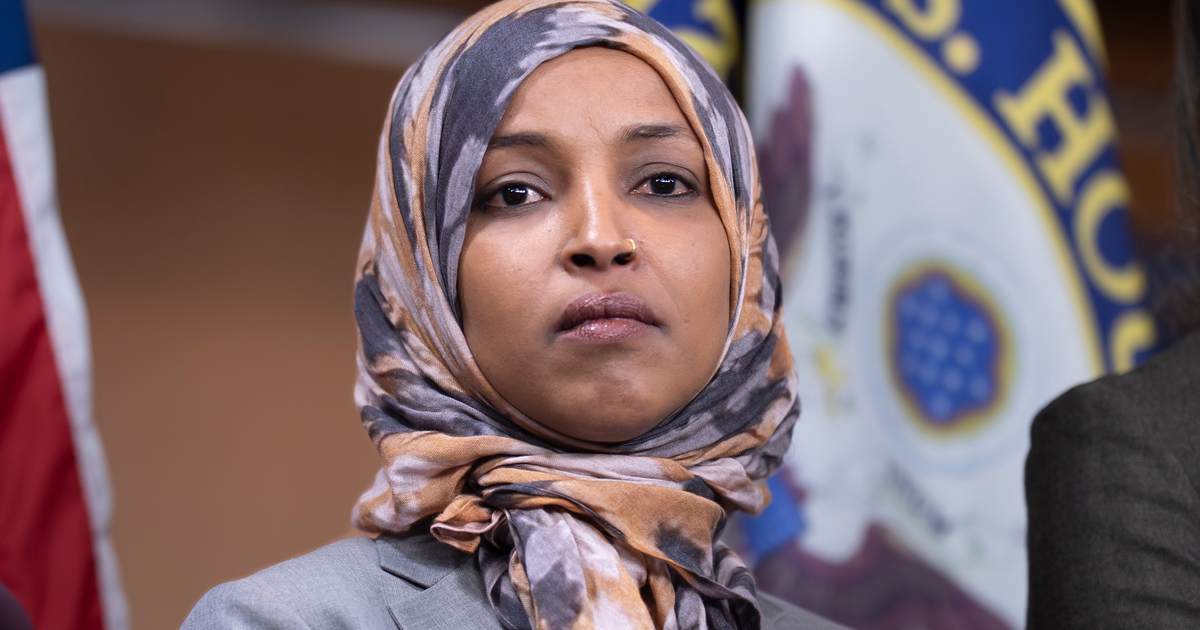
Federal Raid Targets Omar Amid Unresolved Name and Marriage Allegations
Agents searched Rep. Ilhan Omar's DC residence over immigration fraud allegations; she called it bizarre. Reports and commentary questioned her birth name and past marriage details.

Supreme Court Upholds New Hampshire Student ID Voting Ban
The Supreme Court upheld New Hampshire's ban on student IDs as valid voter identification just before midterms, affecting a tight Senate race.
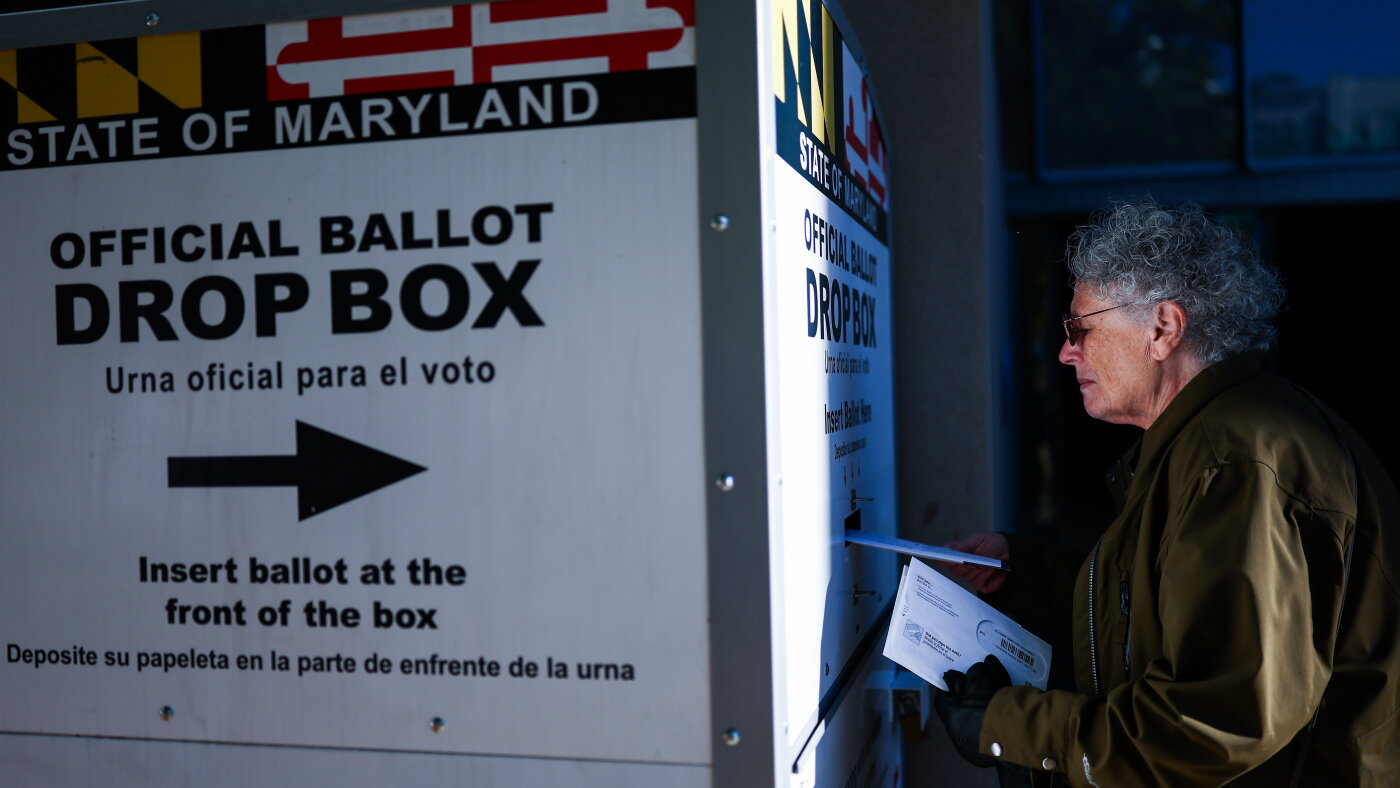
Early Voting Hits 21 Million as Most Trust Midterm Accuracy
Millions have already voted early as parties make final appeals amid $1.4 billion in ad spending; polls show confidence in election accuracy.
The Compass
You just read five takes on one story.
What's your take? Find your political shape in a few minutes.
Take the test