
Tulsi Gabbard Resigns as Director of National Intelligence

Cover image from dailywire.com, which was analyzed for this article
Tulsi Gabbard stepped down as Trump’s top intelligence official amid clashes over Iran policy and personal factors. Coverage highlights both policy disputes and her planned final disclosures.
PoliticalOS
Saturday, May 23, 2026 — Politics
Gabbard’s resignation is confirmed across outlets, yet the stated reasons differ sharply and lack supporting documentation in the initial reports. The operational consequences for U.S. intelligence coordination remain unaddressed.
What outlets missed
The exact date and format of Gabbard’s resignation announcement were not specified beyond the May 23 reports. No outlet provided the text of any resignation letter or exit statement. Coverage also omitted the statutory process for filling the Director of National Intelligence vacancy on an acting basis. The absence of any reference to ongoing intelligence assessments or pending congressional notifications left the operational impact of the departure unexamined.
Tulsi Gabbard Steps Down as Trump’s Intelligence Chief With Probes Still Open
Tulsi Gabbard announced her resignation as director of national intelligence on Friday, ending a tenure that lasted less than a full term and leaving several internal reviews incomplete. The former Hawaii congresswoman, who was confirmed to the post early in President Trump’s second term, said she would use her remaining weeks to release findings from investigations launched under her watch before formally departing.
Officials familiar with the matter said Gabbard had directed reviews into the handling of raw intelligence reporting and the coordination between agencies on counterterrorism assessments. Those inquiries were described as ongoing at the time of her departure, with no public timeline attached to their conclusions. Gabbard’s office indicated she intends to make at least some of the material public before the end of June, though the precise scope of what will be released remains unclear.
The resignation comes at a moment when the intelligence community is still adjusting to leadership changes imposed by the White House. Gabbard, who entered the role with a record of criticizing what she called politicization inside the agencies, had positioned herself as an outsider focused on restoring public trust. Critics inside and outside the government argued that her approach risked further eroding morale and institutional independence at a time when threats from state actors and non-state networks continue to evolve.
Administration officials portrayed the move as a routine transition rather than a response to any specific dispute. They pointed to Gabbard’s stated desire to complete unfinished work before exiting and noted that several senior positions across the intelligence apparatus have turned over in recent months. The White House has not yet named a successor, and acting arrangements are expected to remain in place while a replacement is vetted.
The decision to release investigative material on a short timeline has drawn attention from both supporters and skeptics. Some former intelligence officials expressed concern that hurried disclosures could compress context and nuance that typically accompany such reports. Others welcomed the prospect of greater transparency, arguing that delays in prior administrations had left important questions about collection practices and analytic tradecraft unaddressed.
Gabbard’s background as a vocal critic of foreign interventions and domestic surveillance programs shaped expectations for her tenure from the outset. She frequently highlighted what she viewed as overreach by elements of the intelligence apparatus during earlier congressional hearings and public appearances. Once in office, however, her ability to enact structural changes proved limited by the short duration of her service and by resistance from career officials protective of existing procedures.
The incomplete status of the reviews she initiated now shifts responsibility to whoever succeeds her. Congress is likely to request briefings on any material made public in the coming weeks, particularly if the findings touch on ongoing programs or on assessments shared with lawmakers. Lawmakers from both parties have already signaled interest in how the next director will approach oversight of collection priorities and analytic integrity.
For the agencies themselves, the episode underscores the continuing tension between political appointees seeking rapid course corrections and the slower rhythms of intelligence work that rely on continuity and institutional memory. Whether Gabbard’s planned disclosures clarify or further complicate that dynamic will depend on the substance of what is released and on the reception it receives inside the community she is leaving.
You just read Liberal's take. Want to read what actually happened?
More in Politics
Trump at 32% Approval as Gas Prices Test GOP Midterm Hopes
NYT/Siena polling showed Trump's approval at historic lows around 32 percent with Democrats leading by double digits in key districts. Early voting has surged in battleground states.

Record Early Voting Hits Battlegrounds, Shifting Partisan Shares
AP analysis found hundreds of thousands more early ballots than in 2022 in states including Texas, Ohio, Kansas, Maine, and North Carolina, shifting partisan dynamics.
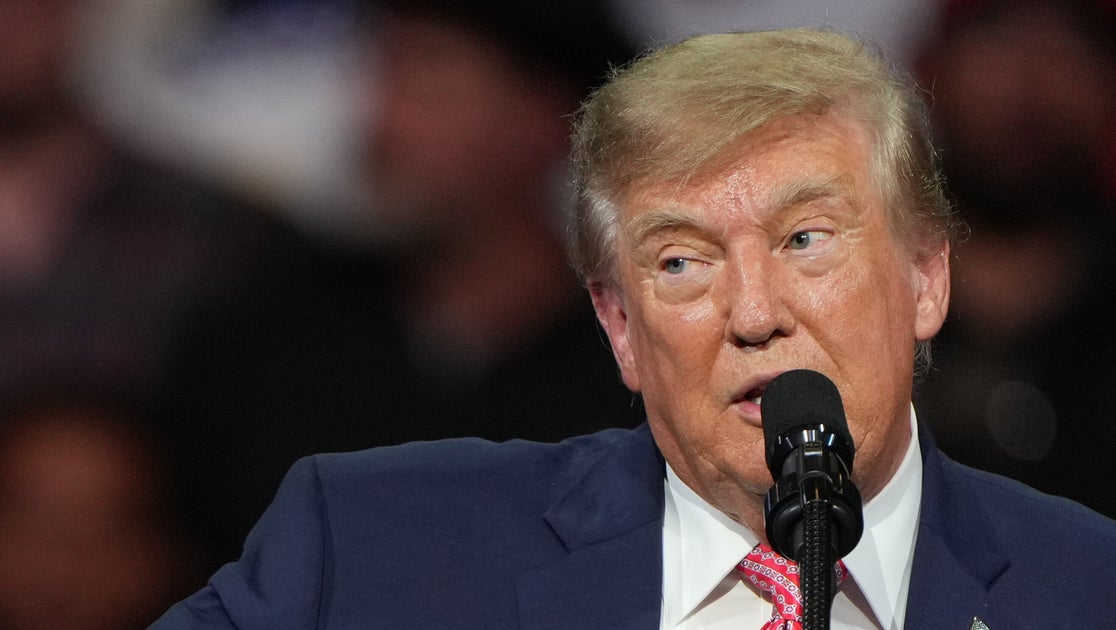
Trump Backs Marshall in Kansas Senate Race Tightened by Farm Costs
President Trump rallied in deep-red Kansas for GOP Sen. Roger Marshall in a competitive race, announcing an $8 billion farm fuel relief program amid high diesel prices. Democrats see an opening to end 94 years of GOP dominance in the state.

Trump Pauses Russia Sanctions Amid Ukraine Tensions and Missile Strikes
Trump waived sanctions on Russia and floated trilateral talks with Putin and Xi as part of ending the Ukraine war, while tensions rose with Zelenskyy over Starlink and arms. Bipartisan senators engaged Zelenskyy amid the shifts.
The Compass
You just read five takes on one story.
What's your take? Find your political shape in a few minutes.
Take the test