
Trump-Kemp Clash Tests GOP Runoffs in Georgia, Alabama
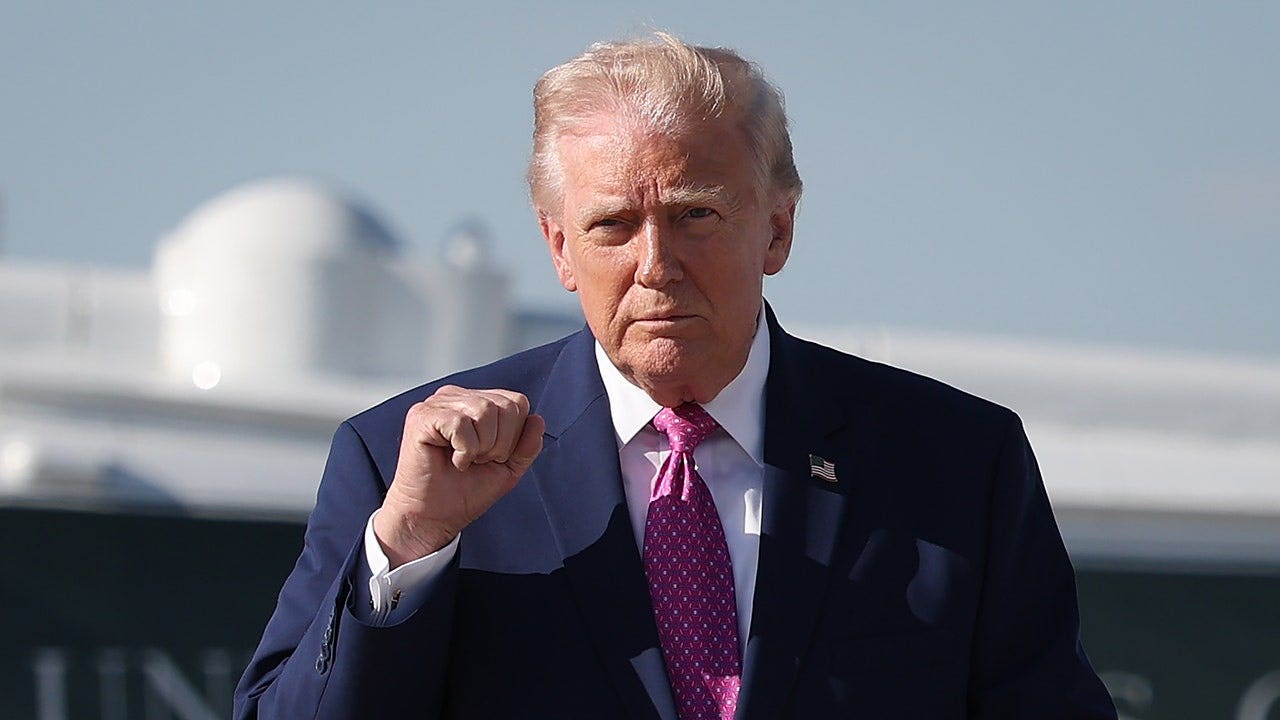
Cover image from foxnews.com, which was analyzed for this article
Voters headed to the polls in key GOP runoffs and other primaries, testing Trump's endorsement power and state party dynamics in Senate and gubernatorial races.
PoliticalOS
Tuesday, June 16, 2026 — Politics
Tuesday’s runoffs measure whether Trump’s weekend endorsement can overcome Kemp’s established organization in Georgia and whether similar dynamics hold in Alabama. The results will clarify the balance of power inside the Republican Party ahead of the November fight for Senate control.
What outlets missed
Most coverage omitted Collins’s recent dismissal of a staffer over a social-media post and the related House Ethics Committee inquiry into office expenditures. Few outlets detailed Moore’s military-service questions or the specific outside groups spending nearly $7 million in the Alabama race. Coverage also underplayed the precise timing of Kemp’s Sunday endorsements and the fact that early voting had already ended in Georgia before Trump weighed in on the Senate contest.
Georgia Republicans Test Competing Party Visions in Runoff Elections
Voters in Georgia head to the polls Tuesday for Republican runoffs that will select nominees for Senate and governor, setting up direct tests of influence between President Donald Trump and Governor Brian Kemp. The outcomes will shape the party's strategy in a state that remains central to control of the Senate and the broader balance between national conservative priorities and state-level electoral pragmatism.
In the Senate race, Representative Mike Collins faces former University of Tennessee football coach Derek Dooley. Collins finished first in the May primary with roughly 40 percent of the vote and received Trump's endorsement over the weekend. Dooley, who took about 30 percent, has the backing of Kemp, whose popularity in Georgia stems from his record on taxes, education and public safety. The winner will challenge Democratic Senator Jon Ossoff, whose seat is one of the few competitive contests Republicans have targeted in their effort to expand a narrow majority.
The contrast between the candidates reflects differing assessments of how Republicans win in Georgia. Collins has emphasized alignment with Trump on issues such as immigration enforcement and skepticism of federal institutions. Dooley has presented himself as an outsider focused on constituent services and economic growth, while still pledging support for the president's agenda. Kemp's involvement signals a preference for candidates who can broaden appeal beyond the primary electorate, a calculation that has produced mixed results in recent cycles.
A parallel runoff for governor features Lieutenant Governor Burt Jones, who carries both Trump and Kemp support after Kemp endorsed him following the first round. Jones faces a field that includes businessman Rick Jackson, whose self-funding has elevated his profile. The governor's race offers Kemp an opportunity to demonstrate continued sway within the state party even as his Senate preference diverges from Trump's choice.
These contests arrive amid a broader set of primaries, including Senate and gubernatorial races in Oklahoma and a mayoral primary in the District of Columbia. Yet Georgia draws the most attention because its results will clarify whether Trump's late interventions can override established state networks and whether Kemp's model of Republican governance retains traction after multiple election cycles. Political scientists note that Ossoff has maintained strong constituent operations and name recognition, making any Republican nominee's path dependent on turnout and persuasion among independents who have proven decisive in recent statewide contests.
Tuesday's voting will not resolve these tensions but will provide the first measurable indication of which approach prevails when the two power centers inside the Georgia Republican Party compete directly.
You just read Liberal's take. Want to read what actually happened?
More in Politics

Democrats Flip Senate, Expand House Majority in Midterms
Democrats flipped the Senate and expanded their House majority in a major rebuke to President Trump and Republicans. Key victories included multiple Senate seats and state-level wins that ended long-standing GOP dominance in places like Texas.

GOP Losses Spur Blame, Vance Distancing, 2028 Maneuvers
Republicans are pointing fingers internally after heavy losses, with Vice President JD Vance distancing himself from Trump over the Iran war and positioning for a potential 2028 run. Challengers within the party are already sensing opportunity.

Democrats Take House and Senate Amid Record Midterm Turnout
Democrats achieved decisive gains in the 2026 midterms, flipping seats to take control of both chambers. Coverage highlights historic turnout and implications for the Trump administration.

Democrats Take House and Senate, Constraining Trump
Democrats flipped both the House and Senate in a major rebuke to President Trump and Republicans. The results create divided government and set up battles over spending, oversight, and foreign policy for the remainder of Trump's term.
The Compass
You just read five takes on one story.
What's your take? Find your political shape in a few minutes.
Take the test