
Georgia GOP Governor and Senate Races Advance to June Runoffs

Cover image from dailywire.com, which was analyzed for this article
Georgia Republican races for governor and U.S. Senate advanced to June runoffs after Tuesday's primaries. Trump-backed candidates performed strongly while some establishment figures faced setbacks.
PoliticalOS
Wednesday, May 20, 2026 — Politics
Georgia’s Republican primaries produced runoffs for governor and Senate because no candidate reached a majority, leaving Trump-endorsed and establishment-backed contenders to compete further. The outcomes reflect a fragmented field rather than a settled ideological takeover. Voters will decide the nominees on June 16 in a state whose general-election results continue to carry national weight.
What outlets missed
Most coverage omitted precise vote shares that would show whether runoffs reflected broad rejection of incumbents or simply a split field. No outlet supplied county-level turnout data or compared 2026 participation rates to prior primaries. The judicial races received little attention despite their potential effect on pending cases, including review of the state’s six-week abortion law. Details on Democratic primary spending and voter mobilization efforts were absent from nearly every account.
Georgia GOP Primary Sends Secretary of State Race to Runoff Focused on Election Security
Georgia voters sent two Republican candidates into a June runoff for secretary of state after none secured a majority in Tuesday's primary. Vernon Jones and Tim Fleming will compete for the nomination to oversee the state's voter rolls, ballot procedures and election certification in a contest shaped by lingering questions over the 2020 presidential vote.
Jones, a former Democratic lawmaker who switched parties and aligned with former President Donald Trump, positioned himself as a sharp critic of Georgia's election administration. Fleming, a state representative, acknowledged some irregularities in 2020 while noting improvements since then. Neither reached the 50 percent threshold needed to avoid the June 16 contest. Gabriel Sterling, a former top aide to current Secretary of State Brad Raffensperger who had defended the state's 2020 processes, finished outside the top two.
The outcome reflects broader voter skepticism toward officials who resisted calls for stricter verification measures after 2020. Raffensperger himself placed a distant third in the Republican primary for governor and will not advance. His office had certified results despite disputes over signature verification, drop boxes and chain-of-custody protocols that fueled lawsuits and legislative reforms in subsequent years. Sterling's elimination underscores the same pattern in the secretary of state field.
Republican primary spending exceeded $100 million across major races, with candidates emphasizing government accountability and reduced opportunities for administrative error or manipulation. The secretary of state position carries direct responsibility for maintaining accurate voter lists and certifying outcomes, functions that affect confidence in every contest from local offices to presidential elections. Data from prior cycles showed millions of inactive registrations nationwide, a problem Georgia has addressed unevenly according to state audits.
On the Democratic side, former Atlanta Mayor Keisha Lance Bottoms secured her party's nomination for governor without a runoff. Republicans Burt Jones and Rick Jackson will meet in their own runoff for the gubernatorial nomination after Lieutenant Governor Jones received Trump's endorsement and Jackson invested heavily from personal funds. Separate runoffs will decide the Republican challenger to Democratic Senator Jon Ossoff.
Georgia's status as a competitive state has kept its election machinery under sustained scrutiny. Primary results indicate many Republican voters now prioritize candidates who treat past administrative weaknesses as a problem requiring ongoing correction rather than settled history. The June runoff will test whether that preference produces a nominee focused on verifiable processes over institutional continuity.
You just read Conservative's take. Want to read what actually happened?
More in Politics
Trump at 32% Approval as Gas Prices Test GOP Midterm Hopes
NYT/Siena polling showed Trump's approval at historic lows around 32 percent with Democrats leading by double digits in key districts. Early voting has surged in battleground states.

Record Early Voting Hits Battlegrounds, Shifting Partisan Shares
AP analysis found hundreds of thousands more early ballots than in 2022 in states including Texas, Ohio, Kansas, Maine, and North Carolina, shifting partisan dynamics.
Trump Backs Marshall in Kansas Senate Race Tightened by Farm Costs
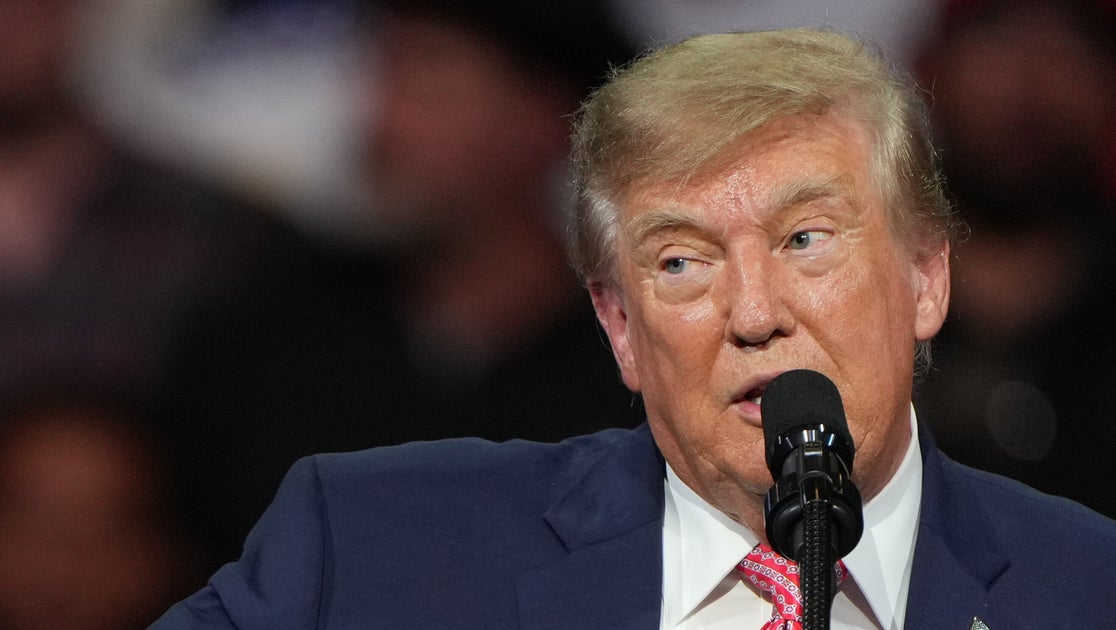
President Trump rallied in deep-red Kansas for GOP Sen. Roger Marshall in a competitive race, announcing an $8 billion farm fuel relief program amid high diesel prices. Democrats see an opening to end 94 years of GOP dominance in the state.

Trump Pauses Russia Sanctions Amid Ukraine Tensions and Missile Strikes
Trump waived sanctions on Russia and floated trilateral talks with Putin and Xi as part of ending the Ukraine war, while tensions rose with Zelenskyy over Starlink and arms. Bipartisan senators engaged Zelenskyy amid the shifts.
The Compass
You just read five takes on one story.
What's your take? Find your political shape in a few minutes.
Take the test