
MAGA Splits Over Trump's Iran Strikes and Ceasefire

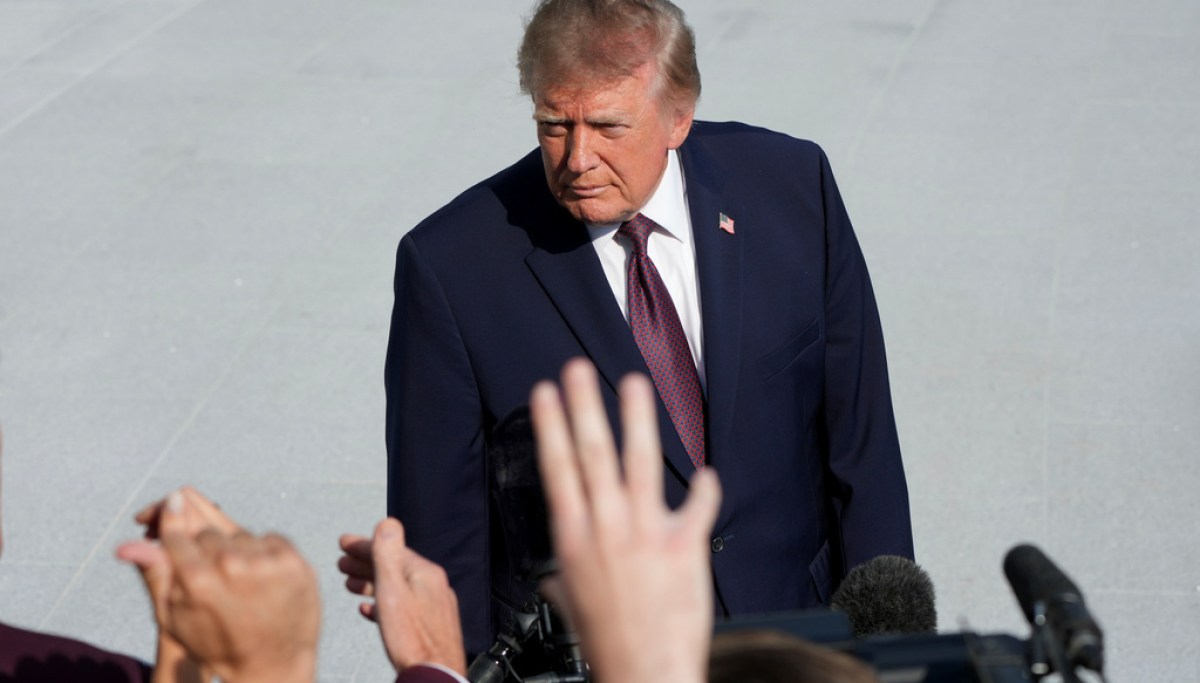
Cover image from thebulwark.com, which was analyzed for this article
Trump's Iran ceasefire and war strategy have split the Republican base and MAGA insiders, with some decrying weakness and others dismissing critics as idiotic. Figures like Mark Levin push for escalation while others value leverage shown. The rift underscores party tensions amid the conflict.
PoliticalOS
Saturday, April 11, 2026 — Politics
Trump's Iran operation and subsequent ceasefire have triggered genuine public criticism from prominent MAGA-aligned figures who see it as contradicting campaign promises, yet polling consistently shows the president's core supporters remain largely supportive. The episode reveals that MAGA has become more personality-driven than strictly ideological, setting up longer-term questions about the movement's direction once Trump leaves the scene. Readers should weigh vocal online dissent against broader Republican sentiment and the still-unfolding military and diplomatic realities on the ground.
What outlets missed
Most coverage omitted the full sequence of war triggers, including the February 28, 2026, U.S.-Israeli strikes that killed Ayatollah Khamenei during nuclear escalation and domestic Iranian protests. Outlets downplayed or failed to attribute precise casualty figures, nuclear setback estimates and economic damage claims, many of which originate from unverified Pentagon or Iranian sources and have been revised downward in leaked assessments. Balanced polling data showing 84-93% approval among core MAGA voters was often minimized in favor of overall national disapproval numbers. The two-week ceasefire's fragility, ongoing Strait of Hormuz restrictions and parallel diplomatic talks in Islamabad received little sustained attention, leaving readers without a clear picture of the conflict's unresolved military and economic risks.
A vocal faction of the MAGA movement is fracturing from President Trump over his military campaign against Iran. The rift has exposed a core tension: whether Trump's decision to launch strikes, eliminate key Iranian leaders and accept a fragile ceasefire upholds or abandons the "America First" aversion to prolonged foreign entanglements that helped elect him twice. With midterm elections approaching and Trump's approval ratings softening, the public back-and-forth risks dampening Republican enthusiasm at the polls.
The conflict escalated after U.S. and Israeli strikes began in late February 2026. Those operations killed Supreme Leader Ayatollah Ali Khamenei amid heightened nuclear tensions and failed diplomatic talks, according to Reuters and Al Jazeera reporting. Trump administration officials described the action as necessary to set back Iran's nuclear program by years and degrade its military capacity. By early April, the U.S. had conducted what it termed Operation Epic Fury, resulting in the sinking of Iranian naval vessels, destruction of missile production sites and elimination of much of the regime's senior leadership, per Pentagon summaries. Iran and the U.S. then agreed to a two-week ceasefire based on a 10-point peace plan, though shipping through the Strait of Hormuz remains restricted and talks in Islamabad continue.
Critics from within Trump's former base did not wait for the dust to settle. Tucker Carlson called elements of the campaign "evil" on his podcast and suggested military officials should refuse orders that could harm Iranian civilians. Marjorie Taylor Greene labeled the threats "genocide" in a post and invoked the 25th Amendment. Alex Jones described the rhetoric as meeting the definition of war crimes. Candace Owens replied to Trump's criticism by suggesting it was "time to put Grandpa up in a home." Steve Bannon hosted a guest who raised questions about potential war crimes, while Mike Cernovich argued it was "silly to claim Trump is MAGA" anymore. Trump responded on April 9-10 with a 482-word Truth Social post that lumped the critics together as having "Low IQs," called them "NUT JOBS" and "TROUBLEMAKERS" chasing publicity, and declared "MAGA is Trump."
Not all voices on the right opposed the action. Commentator Mark Levin has urged further escalation to prevent a nuclear Iran. White House officials, in statements to the Washington Examiner, emphasized that Trump campaigned on denying Iran nuclear weapons and acted in the national interest regardless of polls. One veteran Trump aide described the president as a consistent "counterpuncher" whose message aims to expose critics' hypocrisy to their own audiences. Polling reflects the divide. A RealClearPolitics average as of mid-April showed overall U.S. disapproval of military action against Iran at 53.8 percent to 40.3 percent approval. Yet multiple surveys from March, including Vandenberg and TargetPoint, found 84 to 93 percent approval among 2024 Trump voters and self-identified MAGA Republicans. An I&I/TIPP poll from April 6 indicated plurality support among all Americans.
The war's human and material toll remains disputed. U.S. officials report 13 American troops killed. Iranian casualties are estimated in the thousands, with regime and military targets hit hardest; independent verification is limited. Claims of 66 percent destruction of Iranian missile facilities, complete control of Iranian airspace and an 8-to-15-year setback to the nuclear program come from administration briefings but have been challenged by leaked assessments suggesting shorter delays, according to NPR and Foreign Policy. Economic losses to Iran are placed between $140 billion and $145 billion. The ceasefire's durability is unproven. Gas prices have risen, inflation concerns persist and some former Trump White House officials told the Washington Examiner the attacks on critics are elevating dissent rather than quelling it. One anonymous ex-official called the strategy "f***ing insane" and urged outreach instead. Another said the White House should focus on ending the war rather than "going after our own."
The central unresolved question is whether this episode marks a temporary argument over tactics or a lasting redefinition of what MAGA means. Trump has maintained that his movement follows his lead. Critics counter that they are defending the original non-interventionist instincts that brought him to power. Focus groups of dissatisfied 2020 and 2024 Trump voters, convened by The Bulwark, reveal frustration that could suppress turnout. Yet broader Republican elected officials have largely stayed silent or offered muted support, avoiding the personal invective. As one current White House aide put it, Trump remains a fighter, and that trait is why many voters backed him. The coming weeks of ceasefire enforcement and midterm positioning will test whether the public split remains confined to podcasters and influencers or spreads deeper into the party's rank and file.
More in Politics

Federal Agents Search Omar Home in Ongoing Immigration Probe
Homeland Security agents searched the Minnesota Democrat's DC residence in a criminal probe, prompting accusations of political intimidation from Omar and Democratic leaders. Coverage spans left-leaning outlets like NPR, BBC, and The Guardian alongside right-leaning criticism from The Federalist and Daily Wire.

Trump Diesel Import Plan Draws Pushback Over Russia Ties
The weekend agreement drew bipartisan congressional pushback and criticism from Ukraine's Zelenskyy, with analysts downplaying US fuel price impacts. Right-leaning outlets like National Review, Dispatch, and Washington Examiner questioned its legality and effectiveness.

Independents Test Voter Appetite for Middle Ground in 2026 Midterms
Nearly 200 independents are running in competitive races as voters weigh ballot measures on housing costs in states like Massachusetts. Left-leaning coverage from NYT, NPR, and Guardian highlights turnout and key races while right outlets focus on GOP strategy.
Trump Rallies in Alaska, Ohio to Bolster GOP Senate Candidates
The president rallied in Wasilla for Sen. Dan Sullivan and faced empty seats at an Ohio event amid midterm concerns. Outlets across the spectrum covered the trips as signals of GOP vulnerability weeks before Election Day.
The Compass
You just read five takes on one story.
What's your take? Find your political shape in a few minutes.
Take the test