
Voter Worries Over Prices and Debt Shape Midterm Positioning
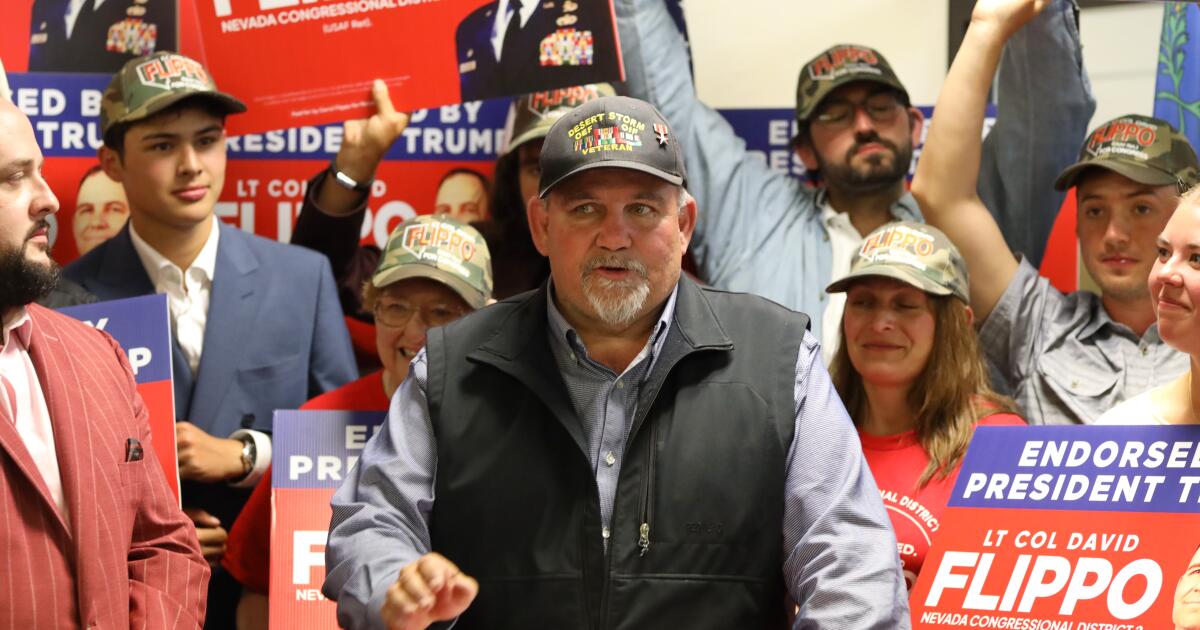
Cover image from latimes.com, which was analyzed for this article
Voters in key races express anxiety over high prices, US debt levels, and affordability, with data centers and tariffs adding to concerns. Democrats and Republicans are positioning on these issues in a cycle reminiscent of past wave elections.
PoliticalOS
Sunday, August 23, 2026 — Politics
Economic pressures and base mobilization remain central to midterm narratives, yet the supplied coverage supplies limited data on debt or affordability and leaves several specific assertions without independent confirmation.
What outlets missed
Neither account examined specific data on federal debt levels, the fiscal impact of data centers, or tariff policy effects on household costs. No outlet provided polling that isolates economic anxiety from other factors such as candidate residency or religious affiliation trends. Broader comparisons to historical wave elections driven primarily by economic conditions were not developed.
Voters in competitive districts are expressing concern about high prices and the national debt as November approaches. In Nevada’s 2nd District, inflation appears among the factors that could narrow the Republican margin in a seat the party has held for more than 40 years. The district’s Republican nominee, David Flippo, faces questions over recent residency and campaign finances, while his Democratic opponent, Teresa Benitez-Thompson, is positioned as a moderate with local roots. National Democrats have added the seat to their target list for the first time in decades. Separate reporting notes that the share of white Christian voters who form a core Republican constituency has declined over the past two decades, though the pace of that decline has slowed. Analysts cited in one account described Democratic primary results in New York as evidence of a broader leftward shift, but specific assertions about social-media emphasis on Islam versus Christianity could not be independently verified. Turnout patterns from recent midterms show more than 90 percent of partisan voters supporting their own party’s House candidates, limiting the scope for crossover support in either direction.
More in Politics

Federal Agents Search Omar Home in Ongoing Immigration Probe
Homeland Security agents searched the Minnesota Democrat's DC residence in a criminal probe, prompting accusations of political intimidation from Omar and Democratic leaders. Coverage spans left-leaning outlets like NPR, BBC, and The Guardian alongside right-leaning criticism from The Federalist and Daily Wire.

Trump Diesel Import Plan Draws Pushback Over Russia Ties
The weekend agreement drew bipartisan congressional pushback and criticism from Ukraine's Zelenskyy, with analysts downplaying US fuel price impacts. Right-leaning outlets like National Review, Dispatch, and Washington Examiner questioned its legality and effectiveness.

Independents Test Voter Appetite for Middle Ground in 2026 Midterms
Nearly 200 independents are running in competitive races as voters weigh ballot measures on housing costs in states like Massachusetts. Left-leaning coverage from NYT, NPR, and Guardian highlights turnout and key races while right outlets focus on GOP strategy.
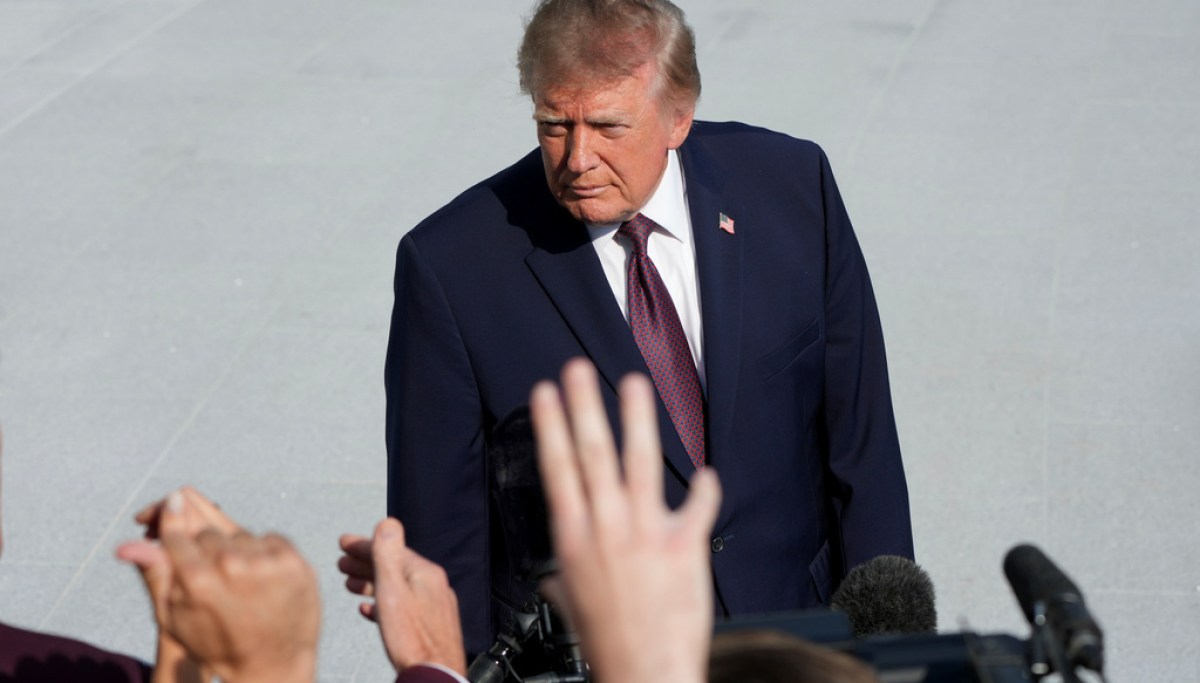
Trump Rallies in Alaska, Ohio to Bolster GOP Senate Candidates
The president rallied in Wasilla for Sen. Dan Sullivan and faced empty seats at an Ohio event amid midterm concerns. Outlets across the spectrum covered the trips as signals of GOP vulnerability weeks before Election Day.
The Compass
You just read five takes on one story.
What's your take? Find your political shape in a few minutes.
Take the test