
Trump-Backed Challengers Oust Cassidy in Louisiana Primary
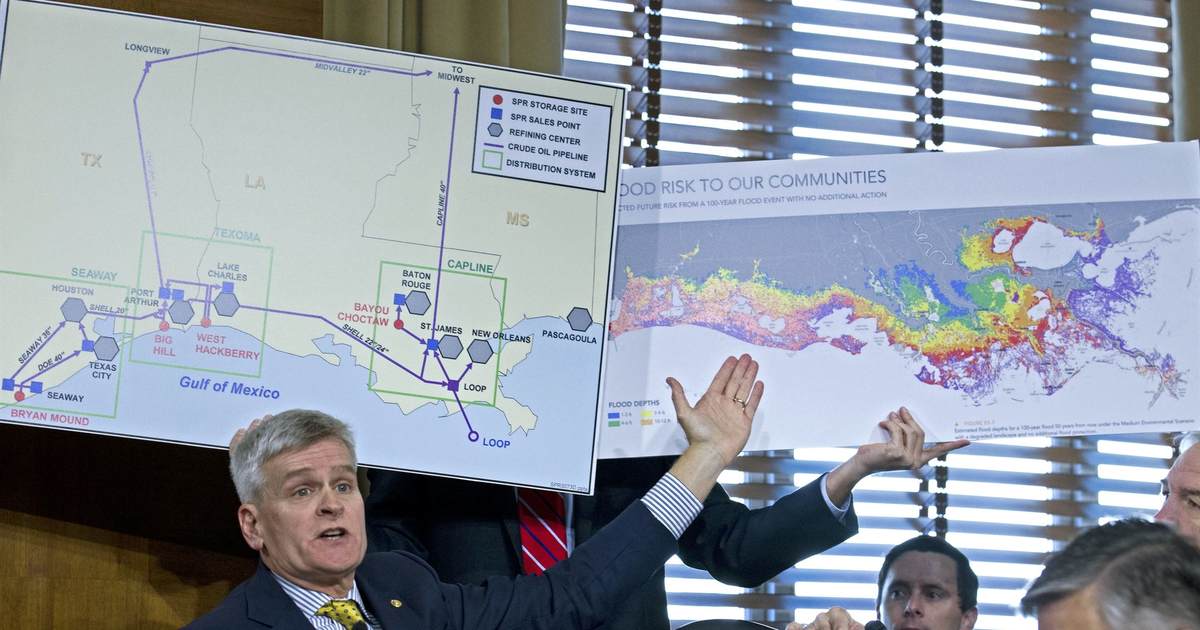
Cover image from townhall.com, which was analyzed for this article
Sen. Bill Cassidy lost his Louisiana GOP primary in a Trump-backed challenge, while Rep. Thomas Massie faces similar pressure in Kentucky. Results highlight the party's shift toward Trump-aligned candidates.
PoliticalOS
Monday, May 18, 2026 — Politics
Trump’s endorsement continues to function as a decisive primary tool, yet the precise mix of loyalty tests and policy disagreements that drives voter decisions remains unquantified. Readers should treat single-factor explanations as arguments rather than settled conclusions.
What outlets missed
No outlet published exit-poll or post-election survey data showing the share of Louisiana Republican voters who cited the impeachment vote versus Medicare Advantage policy as their primary concern. Coverage also omitted any independent estimate of how many voters in either state had already decided before Trump’s endorsement was announced. The absence of these figures leaves the relative influence of loyalty versus specific legislation unmeasured across all four reports.
GOP Primary Voters Punish Cassidy Over Spending and Impeachment Vote
Louisiana Republicans delivered a clear rebuke to Sen. Bill Cassidy on Saturday, sending the two-term incumbent to a distant third place in the GOP primary with just 24 percent of the vote. Trump-endorsed Rep. Julia Letlow and state Treasurer John Fleming advanced to a runoff, effectively ending Cassidy's political career after his vote to convict President Trump during the 2021 impeachment proceedings.
The outcome aligns with patterns in other recent Republican contests where candidates who demonstrate loyalty to Trump and skepticism toward expansive federal programs have prevailed. In Indiana, Trump-backed challengers defeated state senators over redistricting disputes. In Kentucky, Rep. Andy Barr surged in his race immediately after securing Trump's endorsement. These results suggest primary voters are prioritizing alignment with a specific agenda over traditional incumbency advantages.
Cassidy's defeat reflects more than personal disloyalty. As chairman of the Senate HELP Committee, he promoted hearings on making health care affordable and frequently touted patient empowerment. Yet critics noted the absence of concrete proposals to reduce government-driven cost pressures. Louisiana voters have faced rising premiums and limited choices under layers of federal regulation and mandates, patterns consistent with broader evidence that third-party payment systems distort incentives and inflate prices without improving outcomes for most families.
The senator also supported the Biden administration's infrastructure legislation, a measure that added to federal deficits while delivering uneven state-level benefits. Such positions placed Cassidy at odds with constituents who favor restraint on spending programs that expand Washington's role in daily economic decisions. Data from multiple states show that Republican voters increasingly link these policy choices to stagnant wages and higher living costs, rather than viewing them as neutral investments.
Former Sen. Mitt Romney described the result as a loss for the country, citing Cassidy's medical background and committee role. Trump, by contrast, celebrated the defeat on social media as the consequence of disloyalty. The divergence highlights a persistent divide within the party between those who see institutional experience as sufficient qualification and those who demand consistency on core issues of executive accountability and fiscal limits.
Cassidy's case echoes earlier primary losses, such as Sen. Richard Lugar's in 2012, where voters rejected long-serving figures perceived as disconnected from prevailing sentiment. In each instance, the replacement candidates emphasized reduced government intervention and stronger resistance to bipartisan spending packages. Economic analyses from scholars like Thomas Sowell have long documented how such packages generate concentrated benefits for connected interests while dispersing costs across taxpayers and consumers through higher debt and distorted markets.
The Louisiana contest also featured competing Trump-aligned candidates, underscoring that endorsement alone does not guarantee victory. Letlow and Fleming must now compete on records that demonstrate concrete differences from Cassidy's approach to health policy and federal outlays. Early polling in similar races has shown voters responding to explicit contrasts on cost containment rather than vague promises of reform.
Across these contests, the common thread is voter insistence on representatives who treat loyalty to executive priorities and resistance to unchecked program expansion as non-negotiable. Cassidy's experience illustrates the electoral risks for officeholders who diverge on either front.
You just read Conservative's take. Want to read what actually happened?
More in Politics
Trump at 32% Approval as Gas Prices Test GOP Midterm Hopes
NYT/Siena polling showed Trump's approval at historic lows around 32 percent with Democrats leading by double digits in key districts. Early voting has surged in battleground states.

Record Early Voting Hits Battlegrounds, Shifting Partisan Shares
AP analysis found hundreds of thousands more early ballots than in 2022 in states including Texas, Ohio, Kansas, Maine, and North Carolina, shifting partisan dynamics.
Trump Backs Marshall in Kansas Senate Race Tightened by Farm Costs
President Trump rallied in deep-red Kansas for GOP Sen. Roger Marshall in a competitive race, announcing an $8 billion farm fuel relief program amid high diesel prices. Democrats see an opening to end 94 years of GOP dominance in the state.

Trump Pauses Russia Sanctions Amid Ukraine Tensions and Missile Strikes
Trump waived sanctions on Russia and floated trilateral talks with Putin and Xi as part of ending the Ukraine war, while tensions rose with Zelenskyy over Starlink and arms. Bipartisan senators engaged Zelenskyy amid the shifts.
The Compass
You just read five takes on one story.
What's your take? Find your political shape in a few minutes.
Take the test