
Trump-Backed Challengers Oust Cassidy in Louisiana Primary
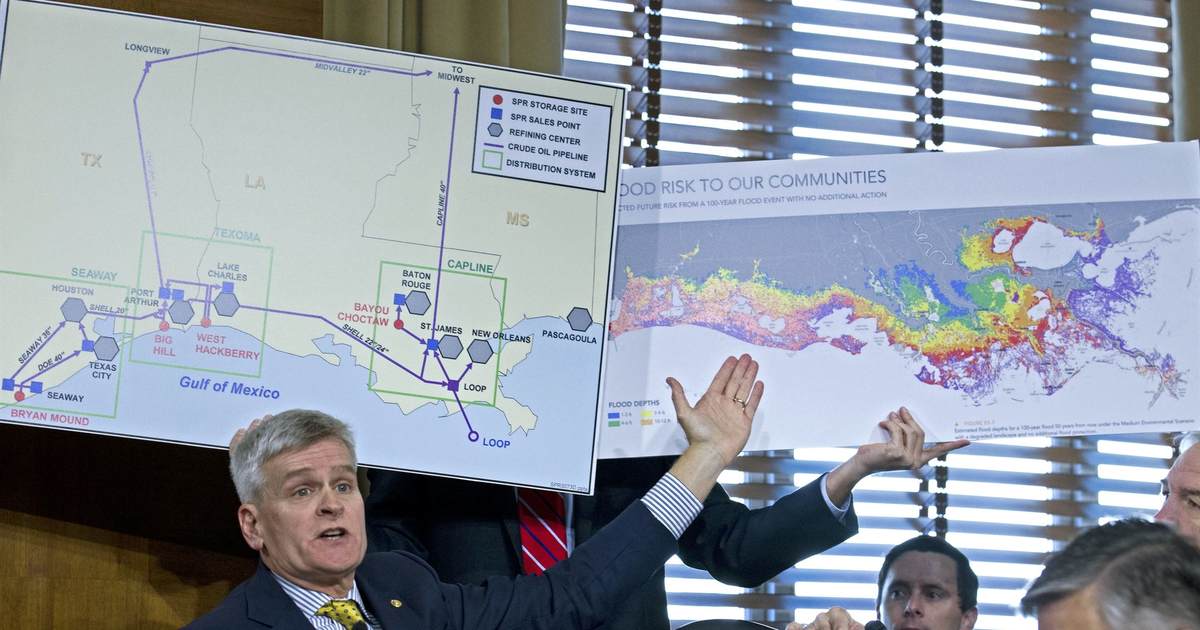
Cover image from townhall.com, which was analyzed for this article
Sen. Bill Cassidy lost his Louisiana GOP primary in a Trump-backed challenge, while Rep. Thomas Massie faces similar pressure in Kentucky. Results highlight the party's shift toward Trump-aligned candidates.
PoliticalOS
Monday, May 18, 2026 — Politics
Trump’s endorsement continues to function as a decisive primary tool, yet the precise mix of loyalty tests and policy disagreements that drives voter decisions remains unquantified. Readers should treat single-factor explanations as arguments rather than settled conclusions.
What outlets missed
No outlet published exit-poll or post-election survey data showing the share of Louisiana Republican voters who cited the impeachment vote versus Medicare Advantage policy as their primary concern. Coverage also omitted any independent estimate of how many voters in either state had already decided before Trump’s endorsement was announced. The absence of these figures leaves the relative influence of loyalty versus specific legislation unmeasured across all four reports.
Trump Loyalty Proves Decisive in Republican Primaries
Republican voters delivered a clear verdict in several recent nominating contests, showing that alignment with former President Donald Trump outweighs other considerations for many in the party base. In Louisiana on Saturday, Sen. Bill Cassidy finished third in the GOP primary with roughly 24 percent of the vote, missing the runoff and likely ending his Senate career. Trump-endorsed candidates Rep. Julia Letlow and state Treasurer John Fleming advanced instead.
Cassidy's defeat followed his vote to convict Trump during the 2021 impeachment proceedings related to the January 6 Capitol riot. Trump highlighted that vote on social media afterward, calling Cassidy's "disloyalty" a defining part of his political legacy. Former Sen. Mitt Romney, one of the few remaining Republican critics of Trump, described the outcome as a loss for the country, praising Cassidy's work on healthcare policy and his background as a physician.
Similar dynamics played out elsewhere. In Kentucky, Rep. Andy Barr quickly became the frontrunner in a multicandidate House race after securing Trump's endorsement. In Indiana, Trump-backed challengers defeated several incumbent state senators in a dispute tied to redistricting. These results reinforce data from recent cycles showing that Trump support functions as the strongest signal in Republican primaries, often overriding records on policy substance or institutional experience.
Trump's own national job approval has declined in recent polling, creating an opening that Democrats hope to exploit by linking him to pocketbook concerns such as healthcare costs and affordability. Yet that weakness has not translated into reduced influence inside the GOP. Candidates continue to seek his endorsement as the most efficient way to consolidate primary support, even as the broader electorate shows signs of fatigue with his leadership style.
Cassidy's record illustrates the trade-offs. As chair of the Senate HELP Committee, he held hearings on lowering healthcare expenses and positioned himself as a moderate willing to work across the aisle, including supporting the bipartisan infrastructure law. Those stances drew criticism from conservative activists who viewed them as insufficiently oppositional to Democratic priorities. In Louisiana's Republican primary electorate, such moderation appears to have carried less weight than demonstrated loyalty to Trump.
The pattern points to a Republican Party that is consolidating around a narrower set of criteria for advancement. Senators and representatives who once maintained some independence now face steeper odds if they break with Trump on high-profile votes or investigations. This shift affects not only individual careers but also the composition of the Senate Republican conference, reducing the number of members inclined toward institutional norms or cross-party negotiation.
For Democrats, the immediate strategic question is whether these primary outcomes will make general-election targeting easier. A party that rewards loyalty above other attributes may produce nominees who energize the base yet struggle with swing voters concerned about governance outcomes rather than intra-party conflicts. The results so far suggest that calculation remains secondary to the internal incentives driving Republican contests.
You just read Liberal's take. Want to read what actually happened?
More in Politics
Trump at 32% Approval as Gas Prices Test GOP Midterm Hopes
NYT/Siena polling showed Trump's approval at historic lows around 32 percent with Democrats leading by double digits in key districts. Early voting has surged in battleground states.

Record Early Voting Hits Battlegrounds, Shifting Partisan Shares
AP analysis found hundreds of thousands more early ballots than in 2022 in states including Texas, Ohio, Kansas, Maine, and North Carolina, shifting partisan dynamics.
Trump Backs Marshall in Kansas Senate Race Tightened by Farm Costs
President Trump rallied in deep-red Kansas for GOP Sen. Roger Marshall in a competitive race, announcing an $8 billion farm fuel relief program amid high diesel prices. Democrats see an opening to end 94 years of GOP dominance in the state.

Trump Pauses Russia Sanctions Amid Ukraine Tensions and Missile Strikes
Trump waived sanctions on Russia and floated trilateral talks with Putin and Xi as part of ending the Ukraine war, while tensions rose with Zelenskyy over Starlink and arms. Bipartisan senators engaged Zelenskyy amid the shifts.
The Compass
You just read five takes on one story.
What's your take? Find your political shape in a few minutes.
Take the test