
GOP Senators Resist Trump Priorities on FISA and Funding

Cover image from thedispatch.com, which was analyzed for this article
Republican lawmakers are showing pushback on issues including funding priorities and foreign policy, signaling potential limits to unified party support.
PoliticalOS
Friday, June 5, 2026 — Politics
Republican senators have blocked or delayed specific Trump-backed measures on surveillance authority and spending, yet the scale of defections and their durability remain unclear ahead of the midterms. The central unresolved question is whether these episodes represent temporary friction or lasting constraints on the president's agenda.
What outlets missed
Neither outlet supplied a full party breakdown of the 47-52 FISA cloture vote, which would clarify how many Republican senators actually opposed the measure. Coverage also omitted any independent verification of the causal connection between the Pulte nomination and the FISA outcome beyond the Punchbowl account. The reconciliation bill's immigration funding provisions received little detail on dollar amounts or specific agency allocations beyond the disputed fund.
Senate Republicans blocked advancement of a bill to renew the Foreign Intelligence Surveillance Act on June 5, 2026, in a 47-52 vote that fell short of the 60 votes needed for cloture. The outcome followed an extended session on a separate reconciliation measure to fund immigration enforcement agencies. Both procedural steps encountered resistance from within the Republican conference.
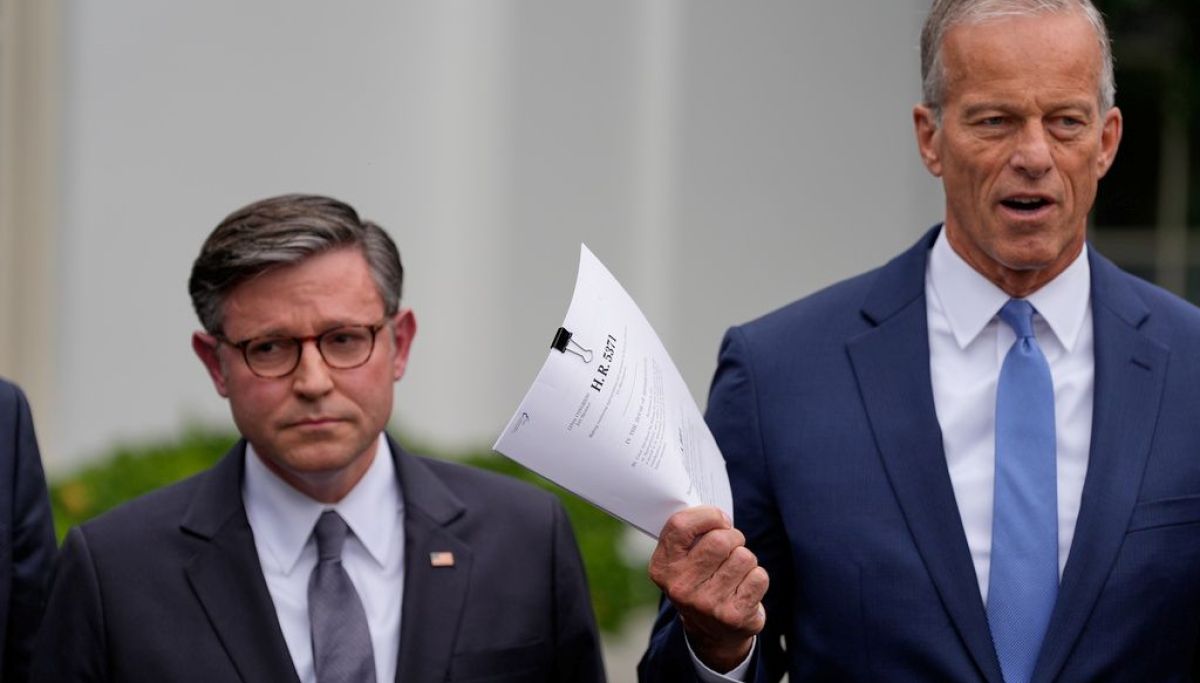
The FISA extension had been a White House priority. Punchbowl News reported that opposition grew after President Trump nominated Bill Pulte, his housing policy adviser with no prior intelligence or national security background, to lead the Office of the Director of National Intelligence. Senator Lisa Murkowski stated that Trump had not considered the timing or consequences for the surveillance program. Senate Majority Leader John Thune attributed hours of delay on the reconciliation bill to disputes over an administration-proposed fund intended to counter what officials described as weaponization of government agencies.
In the House, six Republicans joined Democrats to pass a war powers resolution challenging executive actions abroad. Nine Republican senators are not seeking reelection, a group that includes members who previously supported Trump-backed candidates but have since expressed reservations. These episodes occurred against the backdrop of the 2026 midterm elections, when control of Congress will next be contested.
The disputes center on specific nominations and spending provisions rather than a uniform rejection of the president's broader legislative goals. No party-line breakdown of the 47-52 FISA tally has been released by Senate leaders, leaving the precise contribution of Republican defections versus Democratic opposition unconfirmed in public records.
More in Politics
Trump at 32% Approval as Gas Prices Test GOP Midterm Hopes
NYT/Siena polling showed Trump's approval at historic lows around 32 percent with Democrats leading by double digits in key districts. Early voting has surged in battleground states.

Record Early Voting Hits Battlegrounds, Shifting Partisan Shares
AP analysis found hundreds of thousands more early ballots than in 2022 in states including Texas, Ohio, Kansas, Maine, and North Carolina, shifting partisan dynamics.
Trump Backs Marshall in Kansas Senate Race Tightened by Farm Costs
President Trump rallied in deep-red Kansas for GOP Sen. Roger Marshall in a competitive race, announcing an $8 billion farm fuel relief program amid high diesel prices. Democrats see an opening to end 94 years of GOP dominance in the state.

Trump Pauses Russia Sanctions Amid Ukraine Tensions and Missile Strikes
Trump waived sanctions on Russia and floated trilateral talks with Putin and Xi as part of ending the Ukraine war, while tensions rose with Zelenskyy over Starlink and arms. Bipartisan senators engaged Zelenskyy amid the shifts.
The Compass
You just read five takes on one story.
What's your take? Find your political shape in a few minutes.
Take the test