
GOP Senators Resist Trump Priorities on FISA and Funding

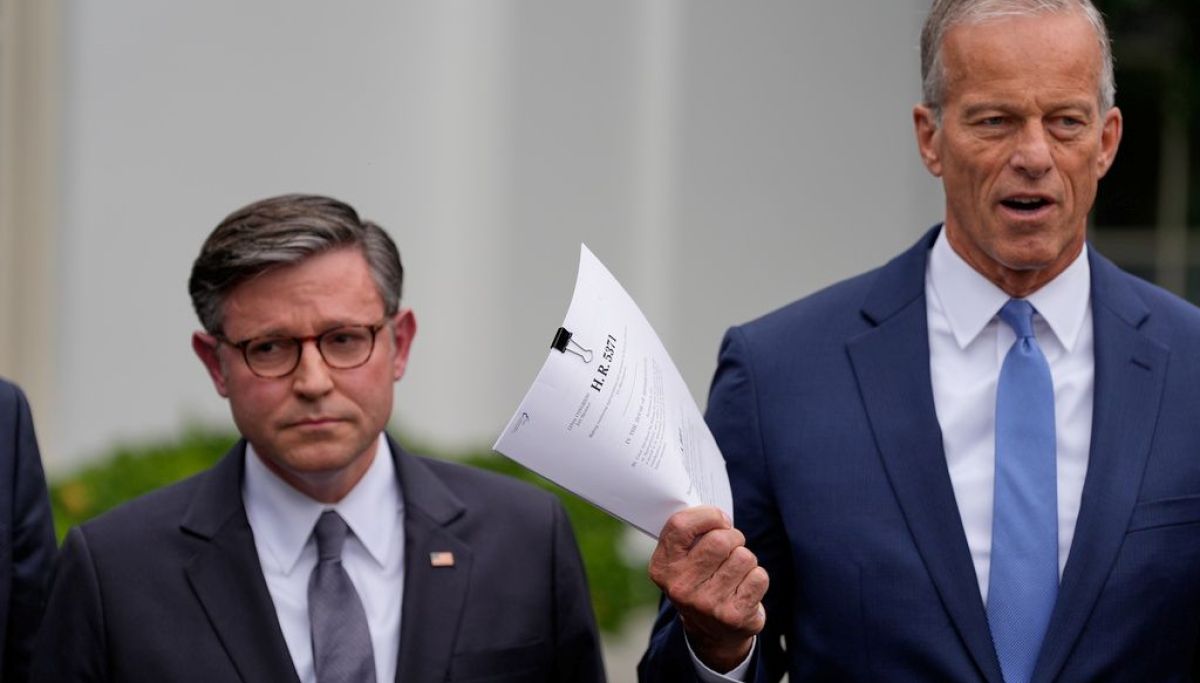
Cover image from thedispatch.com, which was analyzed for this article
Republican lawmakers are showing pushback on issues including funding priorities and foreign policy, signaling potential limits to unified party support.
PoliticalOS
Friday, June 5, 2026 — Politics
Republican senators have blocked or delayed specific Trump-backed measures on surveillance authority and spending, yet the scale of defections and their durability remain unclear ahead of the midterms. The central unresolved question is whether these episodes represent temporary friction or lasting constraints on the president's agenda.
What outlets missed
Neither outlet supplied a full party breakdown of the 47-52 FISA cloture vote, which would clarify how many Republican senators actually opposed the measure. Coverage also omitted any independent verification of the causal connection between the Pulte nomination and the FISA outcome beyond the Punchbowl account. The reconciliation bill's immigration funding provisions received little detail on dollar amounts or specific agency allocations beyond the disputed fund.
Senate Republicans Reject FISA Extension Over Intelligence Nominee Concerns
Senate Republicans on Friday blocked advancement of legislation to extend the Foreign Intelligence Surveillance Act, with the measure falling short on a 47-52 vote after falling short of needed party support. The outcome reflected reservations about President Donald Trump's recent nomination of Bill Pulte to lead the Office of the Director of National Intelligence.
Pulte lacks prior experience in intelligence or national security matters. Several senators pointed to the timing of the nomination as a factor in their decision. Sen. Lisa Murkowski of Alaska noted that the president appeared not to have considered the effect on the surveillance measure. The bill would have renewed authority for agencies to monitor overseas communications without warrants, including those involving U.S. persons.
The vote followed an extended session on separate legislation to fund immigration enforcement agencies. That process also encountered resistance from within Republican ranks, with some members citing recent administration actions as contributing to procedural difficulties. Observers described the pattern as an early indication of senators seeking greater independence ahead of the November elections.
FISA has long drawn scrutiny for its provisions allowing broad collection of data with limited judicial oversight in certain cases. Critics have argued that such tools expand government reach into private communications with insufficient checks, a concern that has persisted across administrations. The current impasse underscores how personnel decisions at the top of intelligence agencies can influence legislative support for those authorities.
Republican leaders had sought swift renewal of the surveillance provisions, viewing them as essential for tracking foreign threats. Yet the nomination of an individual without relevant background introduced doubts about continuity and expertise in managing sensitive programs. Historical patterns show that appointments lacking demonstrated competence often erode backing even among allies, as lawmakers weigh institutional responsibilities against short-term political alignment.
The episode illustrates recurring tensions between executive priorities and congressional prerogatives. Senators from both parties have at times questioned expansions of surveillance power when evidence of effectiveness remains uneven or when leadership transitions raise questions about oversight. In this instance, the absence of intelligence credentials in the proposed director appears to have tipped the balance against immediate renewal.
Further action on related funding measures may test whether the recent divisions persist. Lawmakers continue to debate the proper scope of federal intelligence activities, particularly when they intersect with domestic communications. The results of these deliberations will depend less on unified party loyalty than on assessments of whether proposed leadership can deliver measurable improvements in security outcomes without unnecessary intrusions.
You just read Conservative's take. Want to read what actually happened?
More in Politics
Trump at 32% Approval as Gas Prices Test GOP Midterm Hopes
NYT/Siena polling showed Trump's approval at historic lows around 32 percent with Democrats leading by double digits in key districts. Early voting has surged in battleground states.

Record Early Voting Hits Battlegrounds, Shifting Partisan Shares
AP analysis found hundreds of thousands more early ballots than in 2022 in states including Texas, Ohio, Kansas, Maine, and North Carolina, shifting partisan dynamics.
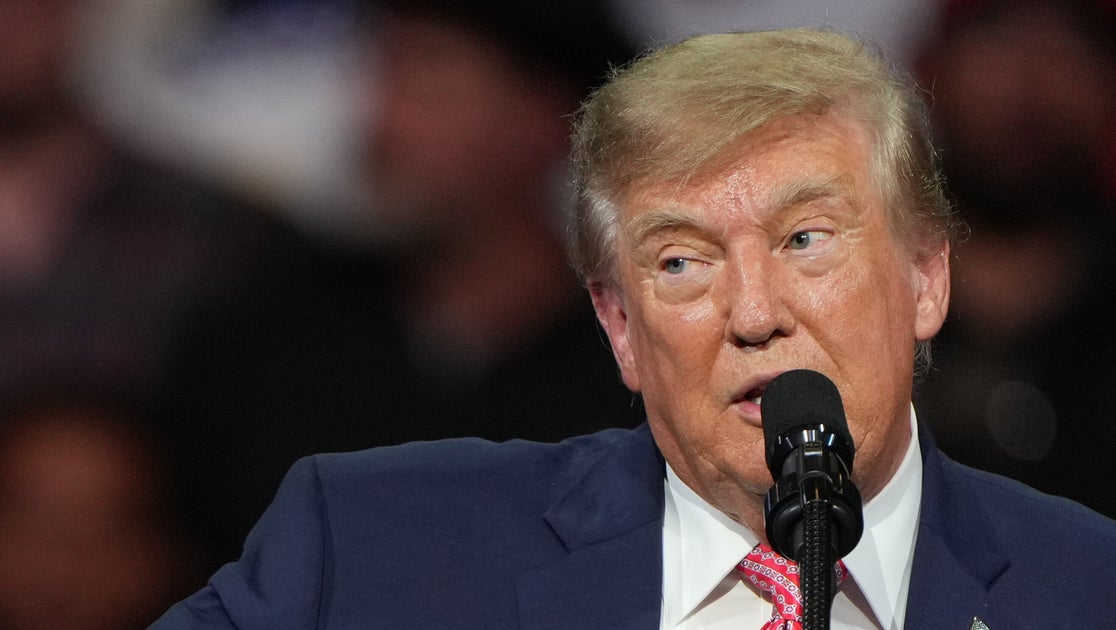
Trump Backs Marshall in Kansas Senate Race Tightened by Farm Costs
President Trump rallied in deep-red Kansas for GOP Sen. Roger Marshall in a competitive race, announcing an $8 billion farm fuel relief program amid high diesel prices. Democrats see an opening to end 94 years of GOP dominance in the state.

Trump Pauses Russia Sanctions Amid Ukraine Tensions and Missile Strikes
Trump waived sanctions on Russia and floated trilateral talks with Putin and Xi as part of ending the Ukraine war, while tensions rose with Zelenskyy over Starlink and arms. Bipartisan senators engaged Zelenskyy amid the shifts.
The Compass
You just read five takes on one story.
What's your take? Find your political shape in a few minutes.
Take the test