
GOP Senators Resist Trump Priorities on FISA and Funding

Cover image from thedispatch.com, which was analyzed for this article
Republican lawmakers are showing pushback on issues including funding priorities and foreign policy, signaling potential limits to unified party support.
PoliticalOS
Friday, June 5, 2026 — Politics
Republican senators have blocked or delayed specific Trump-backed measures on surveillance authority and spending, yet the scale of defections and their durability remain unclear ahead of the midterms. The central unresolved question is whether these episodes represent temporary friction or lasting constraints on the president's agenda.
What outlets missed
Neither outlet supplied a full party breakdown of the 47-52 FISA cloture vote, which would clarify how many Republican senators actually opposed the measure. Coverage also omitted any independent verification of the causal connection between the Pulte nomination and the FISA outcome beyond the Punchbowl account. The reconciliation bill's immigration funding provisions received little detail on dollar amounts or specific agency allocations beyond the disputed fund.
Senate GOP Sabotages Trump Push on Border Security and Surveillance Reform
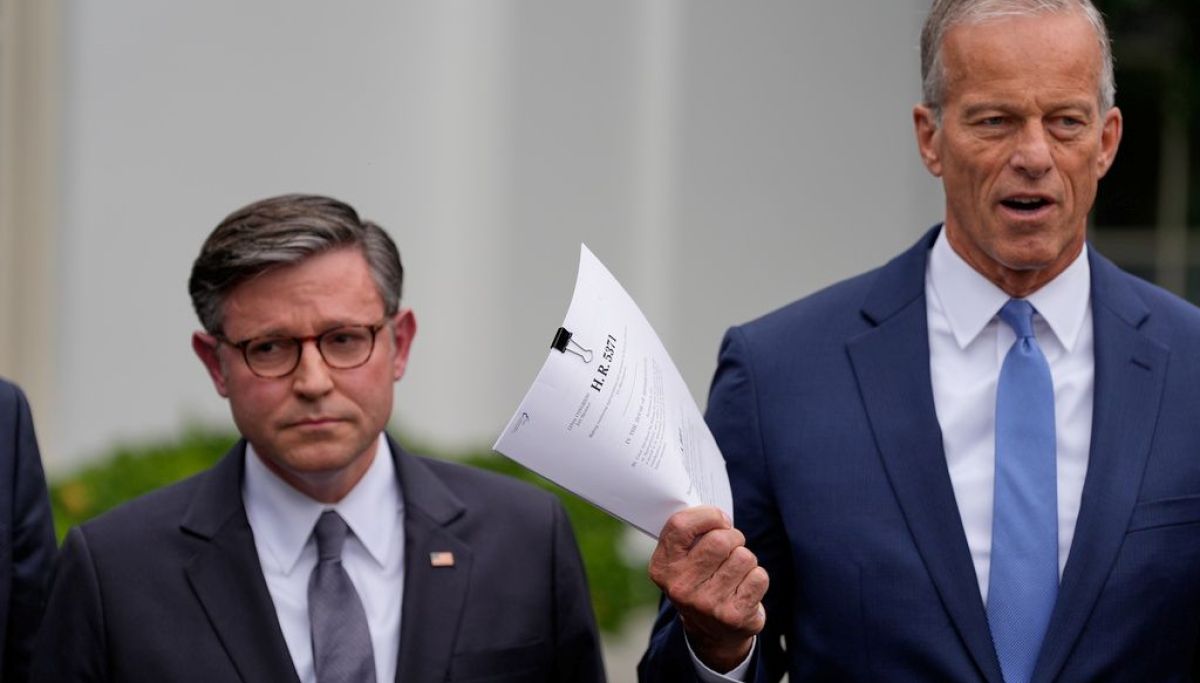
Senate Republicans delivered a sharp rebuke to President Donald Trump on Friday by blocking a straightforward extension of the Foreign Intelligence Surveillance Act. The 47-52 vote came after an 18-hour session that also exposed deep resistance to funding immigration enforcement through the reconciliation process.
The FISA measure would have renewed authority for intelligence agencies to monitor overseas communications without warrants. Trump had made its passage a priority to maintain tools against foreign threats. Yet enough Republicans joined Democrats to sink the bill, citing the president's recent nomination of Bill Pulte to lead the Office of the Director of National Intelligence. Pulte, a businessman with no background in intelligence work, represents exactly the kind of outsider Trump promised to install in order to shake up entrenched agencies.
Sen. Lisa Murkowski of Alaska complained that Trump failed to grasp the timing and impact of his choice. Her remarks echoed the familiar complaints from senators who have long bristled at any challenge to the permanent national security bureaucracy. The vote tally showed opposition beyond the usual handful of moderates, suggesting coordination among members eager to reassert control before the midterm elections.
The same session laid bare frustrations over Trump's broader agenda. An effort to advance funding for federal immigration agencies encountered repeated holds and procedural delays. Republicans who had campaigned on securing the border suddenly found procedural objections when the White House pressed for concrete resources. Sources close to the negotiations described the process as deliberately slowed by members responding to private signals from Trump critics inside the party.
Trump's recent primary interventions, including the defeat of two sitting GOP incumbents, appear to have hardened attitudes among remaining senators. Rather than rallying behind the president on issues that directly affect American security and sovereignty, some chose to withhold support at a moment when unified action could have strengthened enforcement at the southern border. The FISA defeat, in particular, handed leverage to those who prefer expansive surveillance powers without meaningful reform.
Pulte's nomination underscores Trump's intent to place non-career officials in sensitive posts. Critics within the Senate argue this risks politicizing intelligence. Supporters counter that career officials have already demonstrated repeated abuses under the existing FISA regime, including documented misuse against domestic political figures. The vote effectively preserved the status quo at a time when public trust in those agencies remains low.
Lawmakers will return to both matters in coming days. With November elections approaching, the pattern of selective resistance to White House priorities may intensify. For now, the message from the upper chamber is clear: elements of the Republican conference are prepared to stall core Trump initiatives when they conflict with institutional preferences.
You just read America First's take. Want to read what actually happened?
More in Politics
Trump at 32% Approval as Gas Prices Test GOP Midterm Hopes
NYT/Siena polling showed Trump's approval at historic lows around 32 percent with Democrats leading by double digits in key districts. Early voting has surged in battleground states.

Record Early Voting Hits Battlegrounds, Shifting Partisan Shares
AP analysis found hundreds of thousands more early ballots than in 2022 in states including Texas, Ohio, Kansas, Maine, and North Carolina, shifting partisan dynamics.
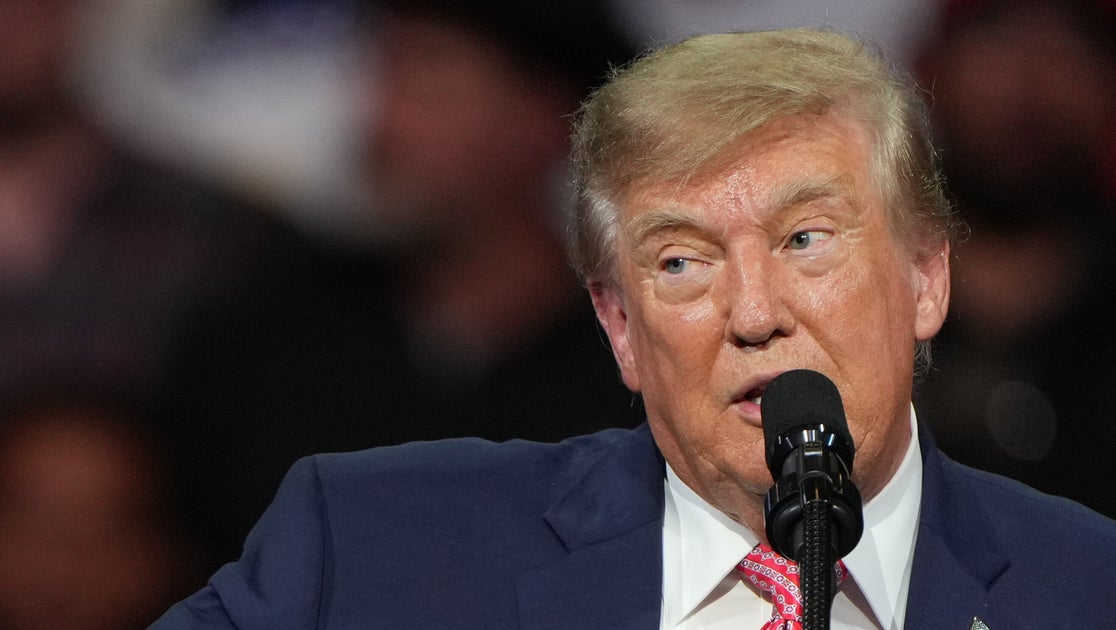
Trump Backs Marshall in Kansas Senate Race Tightened by Farm Costs
President Trump rallied in deep-red Kansas for GOP Sen. Roger Marshall in a competitive race, announcing an $8 billion farm fuel relief program amid high diesel prices. Democrats see an opening to end 94 years of GOP dominance in the state.

Trump Pauses Russia Sanctions Amid Ukraine Tensions and Missile Strikes
Trump waived sanctions on Russia and floated trilateral talks with Putin and Xi as part of ending the Ukraine war, while tensions rose with Zelenskyy over Starlink and arms. Bipartisan senators engaged Zelenskyy amid the shifts.
The Compass
You just read five takes on one story.
What's your take? Find your political shape in a few minutes.
Take the test