
GOP Senators Delay Trump $1.8B Fund Over Divisions

Cover image from thedispatch.com, which was analyzed for this article
Republican lawmakers expressed strong opposition to the proposed fund intended to support those facing alleged political persecution, with critics viewing it as a vehicle for rewarding allies. The Senate delayed action amid internal party divisions.
PoliticalOS
Friday, May 22, 2026 — Politics
The $1.776 billion fund arises from an IRS lawsuit settlement and now faces Senate Republican hesitation over eligibility and political costs. Its implementation hinges on unresolved questions of oversight and whether payments will reach individuals convicted for January 6 conduct.
What outlets missed
Most coverage omitted the fund’s origin in the federal Judgment Fund statute and its lack of direct cash transfers to Trump or his family. Few outlets examined the resignation timing of Treasury lawyer Brian Morrissey or the specific eligibility language absent from the settlement documents. Reporting rarely contrasted the DOJ’s stated rationale with the narrower focus on January 6 plaintiffs found in officer lawsuits.
Trump Administration Creates Taxpayer Backed Fund for January 6 Participants
The Trump administration reached a settlement this week that resolves a $10 billion lawsuit filed by the president against the Internal Revenue Service while establishing a compensation mechanism for individuals involved in the January 6 Capitol events and others alleging mistreatment by federal authorities. The agreement directs roughly $1.776 billion in public funds toward these claims and extends protections against certain tax-related probes for the president and his family.
Details of the arrangement emerged from coordination among the White House, the Department of Justice, and the Treasury Department. Officials described the payment structure as addressing grievances tied to prior enforcement actions, including those connected to the 2021 riot and subsequent prosecutions. Critics within law enforcement circles immediately objected. Former Capitol Police officer Harry Dunn, who has pursued legal action against the president, stated that the fund amounts to a reward for participants in the violence and could encourage similar conduct in the future. Dunn noted ongoing death threats directed at officers and argued that taxpayer resources would now subsidize individuals previously held accountable in court.
The funding source draws directly from federal revenues collected through taxes. This approach has drawn attention from fiscal observers who point to the broader pattern of government programs that transfer resources based on political categories rather than uniform legal standards. Historical analysis by economists such as Thomas Sowell has long examined how such targeted distributions alter incentives, often expanding claims on the public treasury while weakening consistent application of rules.
Senate Republicans have expressed private reservations about the timing and scope of the settlement. Reports indicate that some members view the move as complicating efforts to maintain majorities ahead of midterm elections, particularly as polling shows softening support among key voter groups. Leaders including Senate Majority Leader John Thune have faced pressure to advance administration priorities even as internal calculations shift toward protecting institutional majorities. Past experience suggests that once programs of this type are established, reversing them proves difficult regardless of which party holds power.
The settlement also shields the president and associates from further IRS scrutiny in the underlying dispute. Proponents frame this as correcting perceived imbalances in prior investigations. Opponents counter that it sets a precedent for personal legal matters to intersect with public expenditures. Data on federal compensation programs show repeated instances where initial narrow definitions expand over time, increasing costs and inviting additional filings from new categories of claimants.
Officer Dunn and others have highlighted the personal stakes for those who responded to the Capitol breach. They describe the payments as compounding injuries already suffered and as inconsistent with standard practices that distinguish between lawful protest and criminal conduct. Administration statements have not specified exact eligibility criteria or oversight mechanisms for distributing the funds.
Broader political fallout continues to unfold. Republicans who once aligned closely with the president now weigh legislative goals against electoral risks amplified by the president's influence over primary challenges. The episode underscores recurring tensions between executive actions that deliver immediate benefits to defined groups and the long-term effects on public finances and institutional norms.
You just read Conservative's take. Want to read what actually happened?
More in Politics

Trump Defends Ramaswamy Ad Using Estranged Mother in Ohio Race
President Trump defended a GOP nominee's ad featuring a Democratic opponent's estranged mother, calling it powerful, while drawing criticism from some Republicans including Ohio Gov. Mike DeWine. The ad has sparked internal GOP tensions ahead of midterms.
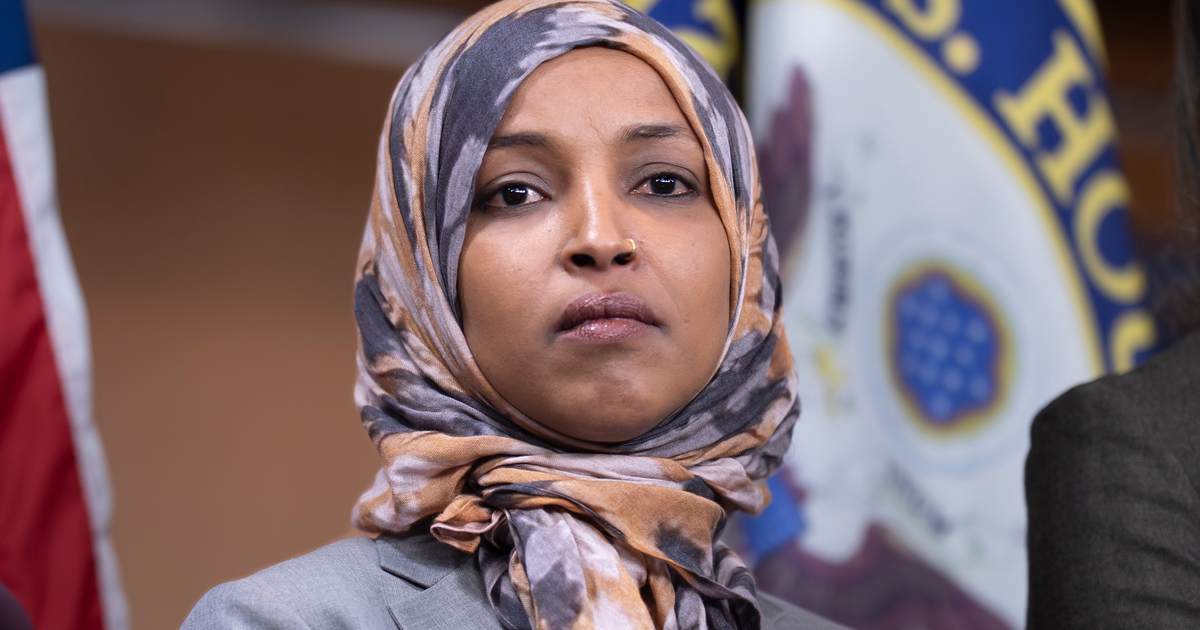
Federal Raid Targets Omar Amid Unresolved Name and Marriage Allegations
Agents searched Rep. Ilhan Omar's DC residence over immigration fraud allegations; she called it bizarre. Reports and commentary questioned her birth name and past marriage details.

Supreme Court Upholds New Hampshire Student ID Voting Ban
The Supreme Court upheld New Hampshire's ban on student IDs as valid voter identification just before midterms, affecting a tight Senate race.
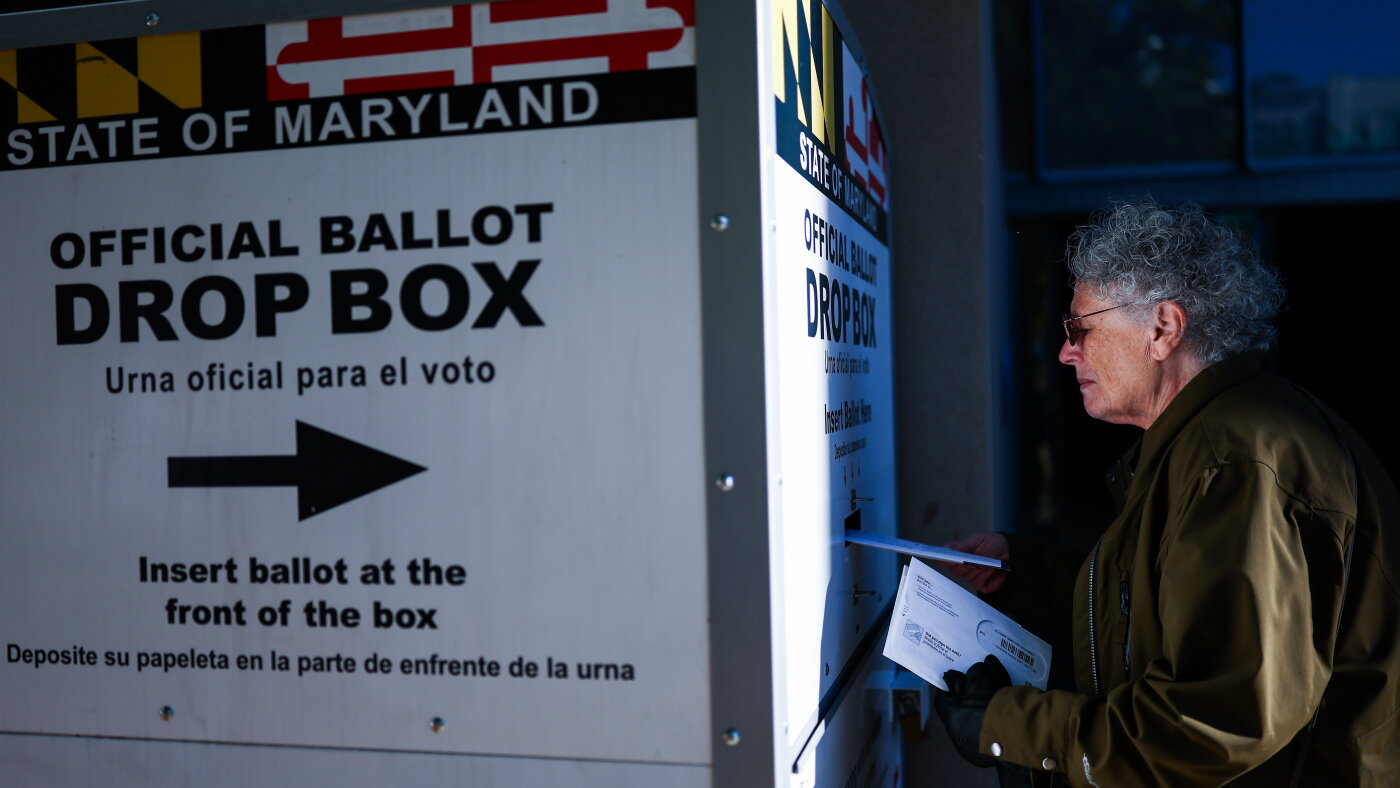
Early Voting Hits 21 Million as Most Trust Midterm Accuracy
Millions have already voted early as parties make final appeals amid $1.4 billion in ad spending; polls show confidence in election accuracy.
The Compass
You just read five takes on one story.
What's your take? Find your political shape in a few minutes.
Take the test