
GOP Senators Delay Trump $1.8B Fund Over Divisions

Cover image from thedispatch.com, which was analyzed for this article
Republican lawmakers expressed strong opposition to the proposed fund intended to support those facing alleged political persecution, with critics viewing it as a vehicle for rewarding allies. The Senate delayed action amid internal party divisions.
PoliticalOS
Friday, May 22, 2026 — Politics
The $1.776 billion fund arises from an IRS lawsuit settlement and now faces Senate Republican hesitation over eligibility and political costs. Its implementation hinges on unresolved questions of oversight and whether payments will reach individuals convicted for January 6 conduct.
What outlets missed
Most coverage omitted the fund’s origin in the federal Judgment Fund statute and its lack of direct cash transfers to Trump or his family. Few outlets examined the resignation timing of Treasury lawyer Brian Morrissey or the specific eligibility language absent from the settlement documents. Reporting rarely contrasted the DOJ’s stated rationale with the narrower focus on January 6 plaintiffs found in officer lawsuits.
Trump's IRS Settlement Hands Taxpayers Bill For January 6 Compensation
The Trump administration reached a settlement this week that ends a $10 billion lawsuit against the Internal Revenue Service while establishing a $1.776 billion fund for individuals who say they suffered from federal investigations tied to the January 6 Capitol events. The agreement, worked out between the president, the Department of Justice, and Treasury officials, also extends immunity from further tax probes for Trump and his family.
Details released so far show the money would come from general taxpayer revenue rather than any new appropriation. It targets people who claim losses from what supporters describe as selective prosecutions and prolonged detentions after the 2021 riot. Former Capitol Police officer Harry Dunn, now running for Congress in Maryland, called the arrangement a direct reward for violence and warned it could encourage further unrest. Dunn, who left the force after the events, said he and other officers continue to receive threats and described the fund as an insult to those who responded that day.
Critics from outlets like The Nation framed the whole package as an outrageous giveaway that lets the president escape scrutiny while raiding public coffers. They noted the total matches roughly the scale of some recent federal disaster aid packages. Punchbowl News reported that some Senate Republicans view the timing as risky, with midterm prospects already tightening and voter support for the president slipping in recent Fox polling on several domestic issues.
Supporters of the settlement counter that years of uneven enforcement created real victims on the other side. Hundreds faced lengthy pretrial holds, restricted access to counsel, or charges that many legal observers later questioned as overly broad. The fund is presented as a mechanism to address those specific grievances without requiring new legislation. Administration allies argue the alternative would have been years of expensive litigation that ultimately drew from the same taxpayer pool.
The raw political split remains stark. Left-leaning coverage emphasizes the optics of compensating participants in a riot that injured officers and disrupted certification of the election. Conservative voices point instead to documented cases of delayed medical care for defendants, solitary confinement reports, and charging decisions that treated non-violent entrants differently from comparable protest cases in prior years. The settlement avoids a full trial on the original IRS lawsuit while sidestepping further congressional oversight on the spending side.
Republicans in Congress now face pressure to clarify whether they will attempt to block or redirect the disbursements. Some members have already signaled discomfort with writing what amounts to a blank check from existing revenue streams. Others see the move as overdue recognition that federal agencies applied different standards after January 6 than during other periods of civil unrest.
The larger question is whether the fund actually resolves underlying tensions or simply shifts them into future budget fights. Past efforts to compensate individuals harmed by government actions have required explicit votes and narrower eligibility rules. This version relies on executive branch discretion and existing appropriations authority, which leaves open the possibility of disputes over who qualifies and how much each recipient receives. For now, the money stands as another front in the long-running argument over accountability for federal law enforcement priorities.
You just read America First's take. Want to read what actually happened?
More in Politics

Trump Defends Ramaswamy Ad Using Estranged Mother in Ohio Race
President Trump defended a GOP nominee's ad featuring a Democratic opponent's estranged mother, calling it powerful, while drawing criticism from some Republicans including Ohio Gov. Mike DeWine. The ad has sparked internal GOP tensions ahead of midterms.
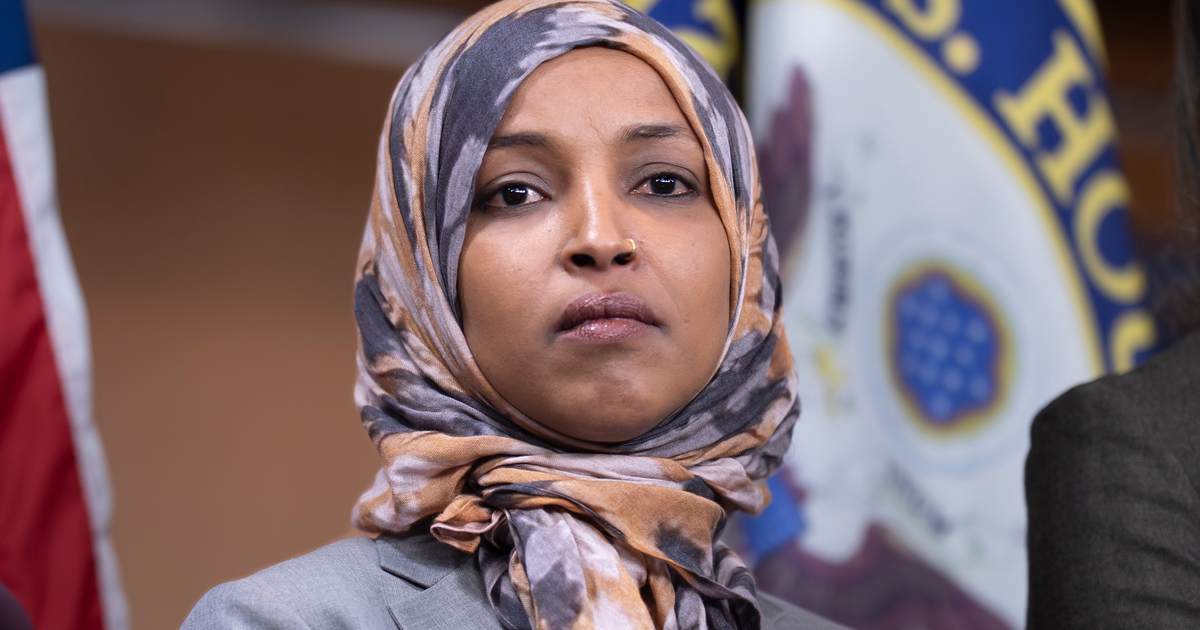
Federal Raid Targets Omar Amid Unresolved Name and Marriage Allegations
Agents searched Rep. Ilhan Omar's DC residence over immigration fraud allegations; she called it bizarre. Reports and commentary questioned her birth name and past marriage details.

Supreme Court Upholds New Hampshire Student ID Voting Ban
The Supreme Court upheld New Hampshire's ban on student IDs as valid voter identification just before midterms, affecting a tight Senate race.
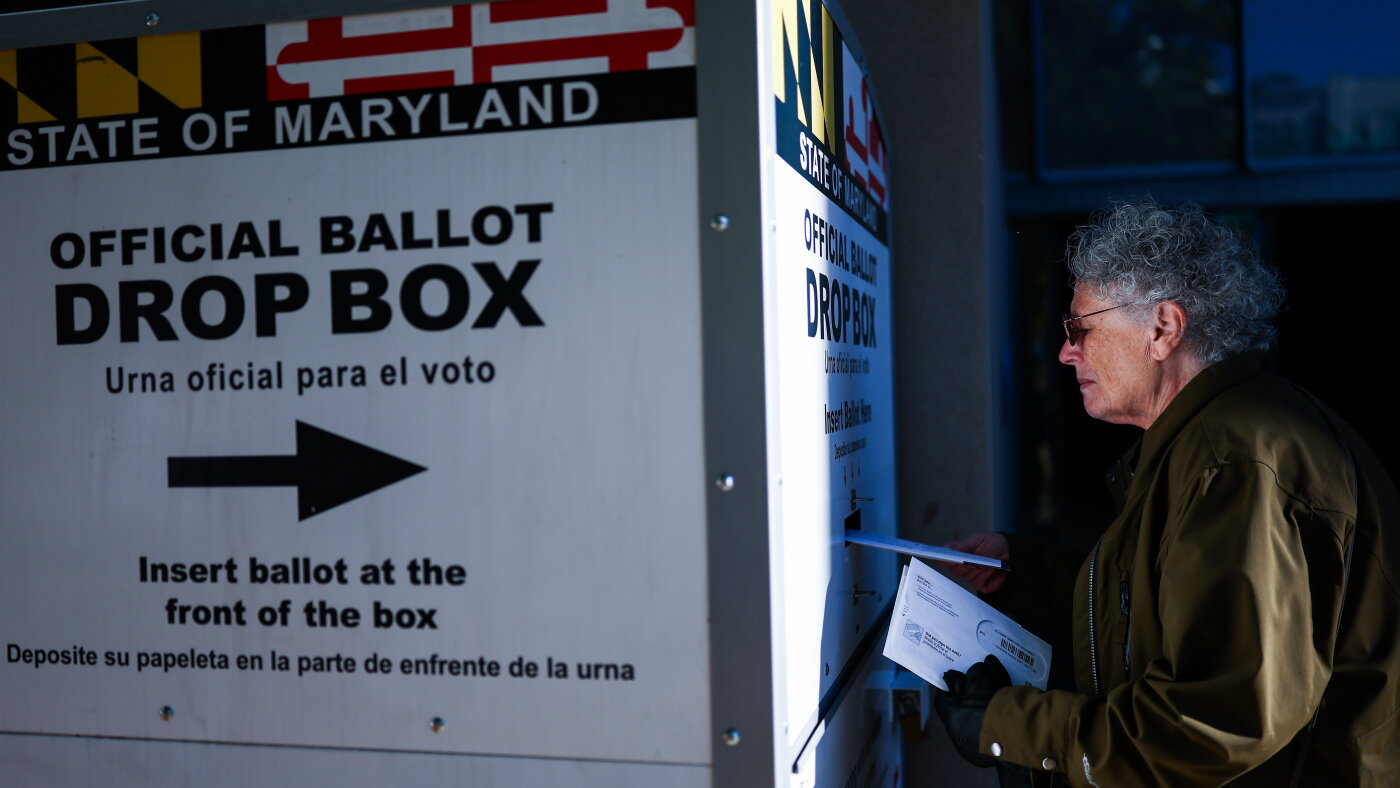
Early Voting Hits 21 Million as Most Trust Midterm Accuracy
Millions have already voted early as parties make final appeals amid $1.4 billion in ad spending; polls show confidence in election accuracy.
The Compass
You just read five takes on one story.
What's your take? Find your political shape in a few minutes.
Take the test