
GOP Senators Delay Trump $1.8B Fund Over Divisions

Cover image from thedispatch.com, which was analyzed for this article
Republican lawmakers expressed strong opposition to the proposed fund intended to support those facing alleged political persecution, with critics viewing it as a vehicle for rewarding allies. The Senate delayed action amid internal party divisions.
PoliticalOS
Friday, May 22, 2026 — Politics
The $1.776 billion fund arises from an IRS lawsuit settlement and now faces Senate Republican hesitation over eligibility and political costs. Its implementation hinges on unresolved questions of oversight and whether payments will reach individuals convicted for January 6 conduct.
What outlets missed
Most coverage omitted the fund’s origin in the federal Judgment Fund statute and its lack of direct cash transfers to Trump or his family. Few outlets examined the resignation timing of Treasury lawyer Brian Morrissey or the specific eligibility language absent from the settlement documents. Reporting rarely contrasted the DOJ’s stated rationale with the narrower focus on January 6 plaintiffs found in officer lawsuits.
Trump's IRS Settlement Creates Taxpayer-Funded Payouts for January 6 Rioters
The Trump administration has reached a settlement in the president's $10 billion lawsuit against the Internal Revenue Service that grants immunity to Trump and his family from tax fraud probes while establishing a $1.776 billion fund to compensate January 6 insurrectionists and others who claim they were targeted by the Justice Department. The arrangement, reached between the White House, the Department of Justice and the Treasury Department, would draw on federal tax revenue collected from ordinary Americans to make the payments.
Under the terms, individuals convicted or charged in connection with the Capitol attack could receive compensation for what the administration describes as the weaponization of federal law enforcement. The fund would operate with limited oversight, allowing disbursements at the discretion of officials aligned with the president. Critics have labeled it a slush fund that rewards participants in the January 6 events rather than holding them accountable.
Former Capitol Police officer Harry Dunn, who was on duty during the attack and is now running for Congress in Maryland, described the plan as both a personal threat and a broader incentive for future violence. Dunn said he and other officers continue to receive death threats linked to their testimony and service that day. He argued that pardons already issued by Trump forgave crimes, but payments would actively reward the behavior and encourage others to join similar actions in the president's name. Dunn called the use of taxpayer money for this purpose a slap in the face to those injured while protecting the Capitol.
The settlement comes as some Senate Republicans have begun to distance themselves from the president's agenda. Reports indicate that lawmakers are increasingly focused on protecting their own electoral prospects ahead of the midterms, with internal concerns that continued alignment with Trump could cost the party its narrow majorities. Polling shows Trump's standing has declined among key voter groups that supported him in 2024, adding pressure on Republican leaders to consider whether advancing certain priorities now conflicts with retaining power.
The fund's creation has drawn particular scrutiny because it bypasses traditional congressional appropriations processes. Legal experts have questioned whether directing public money to individuals involved in the Capitol riot violates statutes that prohibit payments to those who engaged in violence against law enforcement. Dunn noted that while the administration has found resources for these payouts, it has resisted similar funding for medical care and support programs for injured officers.
Republican strategists and lawmakers have so far offered mixed responses. Some have remained silent, while others have privately expressed alarm that the policy could further erode support in suburban and independent voter blocs. The administration has defended the settlement as correcting past overreach by federal agencies, though it has not detailed how eligibility for payments will be determined or how much oversight will apply to the disbursements.
The arrangement marks another escalation in the administration's efforts to reshape the Justice Department and related agencies in its image. With the fund now in place, attention is turning to how quickly payments could begin and whether Congress will attempt to block or modify the program through legislation.
You just read Progressive's take. Want to read what actually happened?
More in Politics
Trump at 32% Approval as Gas Prices Test GOP Midterm Hopes
NYT/Siena polling showed Trump's approval at historic lows around 32 percent with Democrats leading by double digits in key districts. Early voting has surged in battleground states.

Record Early Voting Hits Battlegrounds, Shifting Partisan Shares
AP analysis found hundreds of thousands more early ballots than in 2022 in states including Texas, Ohio, Kansas, Maine, and North Carolina, shifting partisan dynamics.
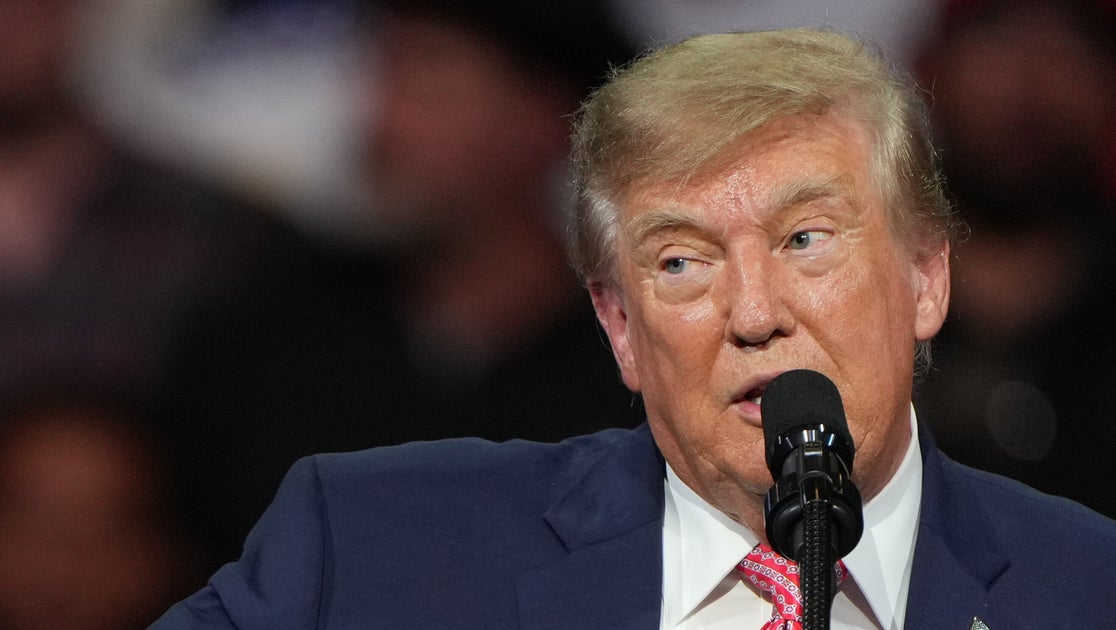
Trump Backs Marshall in Kansas Senate Race Tightened by Farm Costs
President Trump rallied in deep-red Kansas for GOP Sen. Roger Marshall in a competitive race, announcing an $8 billion farm fuel relief program amid high diesel prices. Democrats see an opening to end 94 years of GOP dominance in the state.

Trump Pauses Russia Sanctions Amid Ukraine Tensions and Missile Strikes
Trump waived sanctions on Russia and floated trilateral talks with Putin and Xi as part of ending the Ukraine war, while tensions rose with Zelenskyy over Starlink and arms. Bipartisan senators engaged Zelenskyy amid the shifts.
The Compass
You just read five takes on one story.
What's your take? Find your political shape in a few minutes.
Take the test