
Trump administration requires green card applicants to apply abroad

Cover image from thenation.com, which was analyzed for this article
New rules require foreigners in the US to leave the country to apply for green cards from their home nations. Reports frame the shift as a surprise tightening of immigration procedures.
PoliticalOS
Saturday, May 23, 2026 — Politics
The policy ends in-country green card processing for most temporary visa holders and requires applications from abroad except in limited cases. Implementation mechanics and the scale of resulting separations remain unclear pending further guidance.
What outlets missed
The volume of visa overstays and the specific statutory language on nonimmigrant intent cited by USCIS as authority for the change. Exact numbers of affected pending applications and any internal USCIS guidance on "extraordinary circumstances" exceptions. Potential effects on specific categories such as religious workers or medical professionals already highlighted by lawyers but not quantified.
Trump Administration Requires Prospective Green Card Holders to Apply from Home Countries
WASHINGTON — Foreign nationals already in the United States who seek permanent residency must now return to their home countries to complete the green card process, according to a new policy announced by U.S. Citizenship and Immigration Services. The change ends a decades-old practice that allowed many temporary visitors, including students, workers, and some family members of citizens, to adjust their status without leaving.
Agency officials stated that the prior system contradicted the core purpose of nonimmigrant visas, which are issued for limited stays and specific purposes. Nonimmigrants are expected to depart when their authorized period ends, the statement said, rather than treat their time here as an entry point to permanent settlement. Exceptions remain available only in extraordinary circumstances, to be judged case by case by USCIS officers.
The policy applies to individuals on student visas, temporary work authorizations, tourist entries, and similar categories. It does not affect refugees or asylees already granted protection, nor does it alter the eligibility rules themselves. Officials framed the move as restoring order to a process that had drifted into functioning as an informal extension of the visa system.
Immigration attorneys and advocacy organizations immediately raised concerns about added costs, travel risks, and processing delays for applicants who have built lives here. Some noted that returning home could expose individuals to unstable conditions or lengthy waits at U.S. embassies abroad. The announcement also created immediate uncertainty for those already in the pipeline, prompting questions about whether pending cases would be grandfathered.
Supporters of stricter enforcement see the change as a necessary correction. For years, the ability to adjust status inside the country reduced incentives for applicants to follow the original terms of their admission. This created situations in which people entered on short-term visas with the practical expectation of staying permanently, bypassing the scrutiny that accompanies consular processing. Enforcing departure for the final steps reestablishes that legal immigration occurs through defined channels rather than through extended presence alone.
Data from prior administrations show that adjustment of status accounted for a large share of employment-based and family-based green cards. Critics of the old approach argued that it rewarded those already inside the system while leaving applicants abroad to navigate longer queues and stricter interviews. The new requirement aims to align incentives with the statutory distinction between temporary and permanent admission.
The policy reflects a broader emphasis on rule adherence over administrative convenience. Temporary visas exist to serve discrete needs—education, seasonal labor, tourism—not as probationary periods leading automatically to residency. Individuals who wish to immigrate permanently have always had avenues to do so through proper petition and consular processing. Treating U.S. soil as the default starting line undermined that framework and encouraged strategic visa use.
Implementation details remain under review. USCIS indicated it will issue further guidance on what qualifies as an extraordinary circumstance and how pending applications will be handled. Applicants and employers are advised to consult official channels rather than rely on prior practice. The administration has signaled that consistent application of entry and exit rules forms a basic element of any sustainable immigration system.
You just read Conservative's take. Want to read what actually happened?
More in Politics
Trump at 32% Approval as Gas Prices Test GOP Midterm Hopes
NYT/Siena polling showed Trump's approval at historic lows around 32 percent with Democrats leading by double digits in key districts. Early voting has surged in battleground states.

Record Early Voting Hits Battlegrounds, Shifting Partisan Shares
AP analysis found hundreds of thousands more early ballots than in 2022 in states including Texas, Ohio, Kansas, Maine, and North Carolina, shifting partisan dynamics.
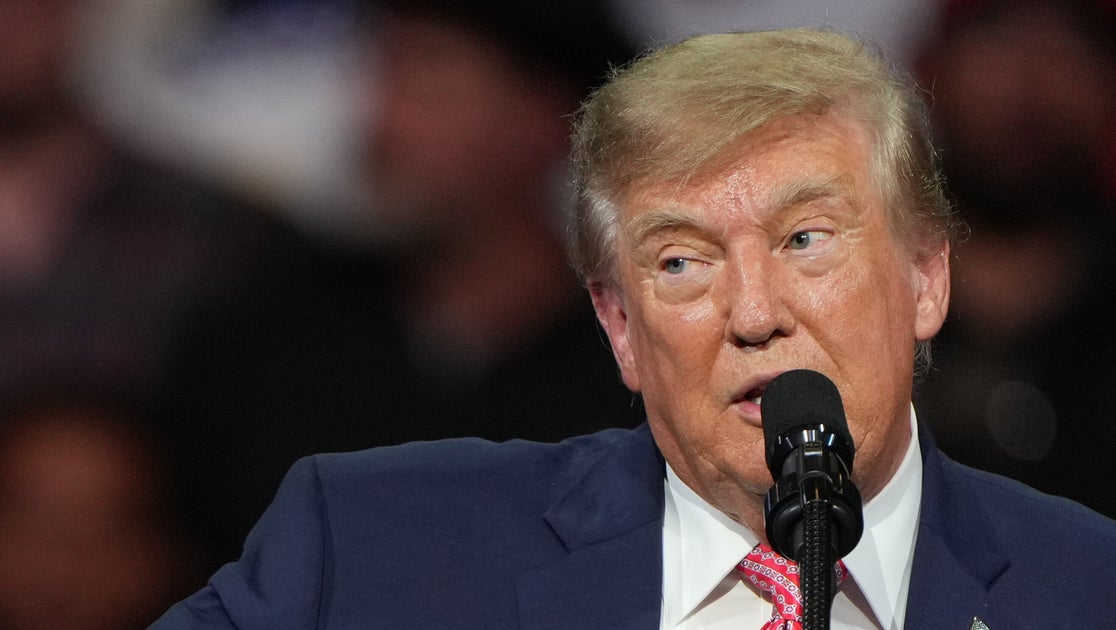
Trump Backs Marshall in Kansas Senate Race Tightened by Farm Costs
President Trump rallied in deep-red Kansas for GOP Sen. Roger Marshall in a competitive race, announcing an $8 billion farm fuel relief program amid high diesel prices. Democrats see an opening to end 94 years of GOP dominance in the state.

Trump Pauses Russia Sanctions Amid Ukraine Tensions and Missile Strikes
Trump waived sanctions on Russia and floated trilateral talks with Putin and Xi as part of ending the Ukraine war, while tensions rose with Zelenskyy over Starlink and arms. Bipartisan senators engaged Zelenskyy amid the shifts.
The Compass
You just read five takes on one story.
What's your take? Find your political shape in a few minutes.
Take the test