
Trump administration requires green card applicants to apply abroad

Cover image from thenation.com, which was analyzed for this article
New rules require foreigners in the US to leave the country to apply for green cards from their home nations. Reports frame the shift as a surprise tightening of immigration procedures.
PoliticalOS
Saturday, May 23, 2026 — Politics
The policy ends in-country green card processing for most temporary visa holders and requires applications from abroad except in limited cases. Implementation mechanics and the scale of resulting separations remain unclear pending further guidance.
What outlets missed
The volume of visa overstays and the specific statutory language on nonimmigrant intent cited by USCIS as authority for the change. Exact numbers of affected pending applications and any internal USCIS guidance on "extraordinary circumstances" exceptions. Potential effects on specific categories such as religious workers or medical professionals already highlighted by lawyers but not quantified.
Trump Administration Forces Immigrants Already in US to Apply for Green Cards Abroad
The Trump administration announced a sweeping change Friday requiring most foreign nationals already living legally in the United States to return to their home countries to complete green card applications, ending a policy in place for more than five decades. The move, unveiled by U.S. Citizenship and Immigration Services, applies to temporary visa holders such as students, workers, spouses of American citizens, and refugees seeking permanent residency.
Under the new rules, applicants must leave the country and file from abroad except in cases deemed extraordinary by USCIS officers. The agency framed the shift as a return to the original intent of nonimmigrant visas, stating that visits should not serve as a stepping stone to permanent status. Officials emphasized that the system is designed for people to depart once their authorized stay ends.
Immigration advocates and attorneys immediately condemned the policy as disruptive and punitive. They noted that it would separate families, interrupt employment, and impose significant financial burdens on people who have followed all legal requirements. Many applicants have built lives in the United States over years, including those married to citizens or raising American-born children. Forcing them overseas could trigger lengthy consular processing delays and potential bars on reentry if any past immigration violations are discovered.
The change reverses long-standing practice that allowed adjustment of status inside the country. That process let applicants attend interviews, submit paperwork, and receive decisions without leaving. Lawyers described the prior system as more efficient and humane, particularly for vulnerable groups such as asylees and victims of domestic violence who may face danger or hardship upon return.
Critics argue the policy aligns with broader administration efforts to tighten immigration controls and deter settlement. They point to added layers of bureaucracy that will stretch already backlogged consular offices and increase costs for applicants who must travel, secure housing abroad, and possibly lose jobs during extended absences. Aid organizations warned that the uncertainty could discourage people from pursuing legal pathways altogether.
USCIS maintained that the exceptions for extraordinary circumstances would provide flexibility. Yet the agency offered little detail on how those determinations would be made or how quickly cases would move. Legal experts said the vagueness leaves room for inconsistent application and lengthy appeals.
The announcement added to ongoing confusion among immigrant communities already navigating complex rules. Families and employers now face difficult choices about whether to initiate applications before the new requirements fully take effect or risk prolonged separations. For many, the policy underscores how administrative decisions can upend lives built under previous understandings of the law.
You just read Progressive's take. Want to read what actually happened?
More in Politics

Trump Defends Ramaswamy Ad Using Estranged Mother in Ohio Race
President Trump defended a GOP nominee's ad featuring a Democratic opponent's estranged mother, calling it powerful, while drawing criticism from some Republicans including Ohio Gov. Mike DeWine. The ad has sparked internal GOP tensions ahead of midterms.
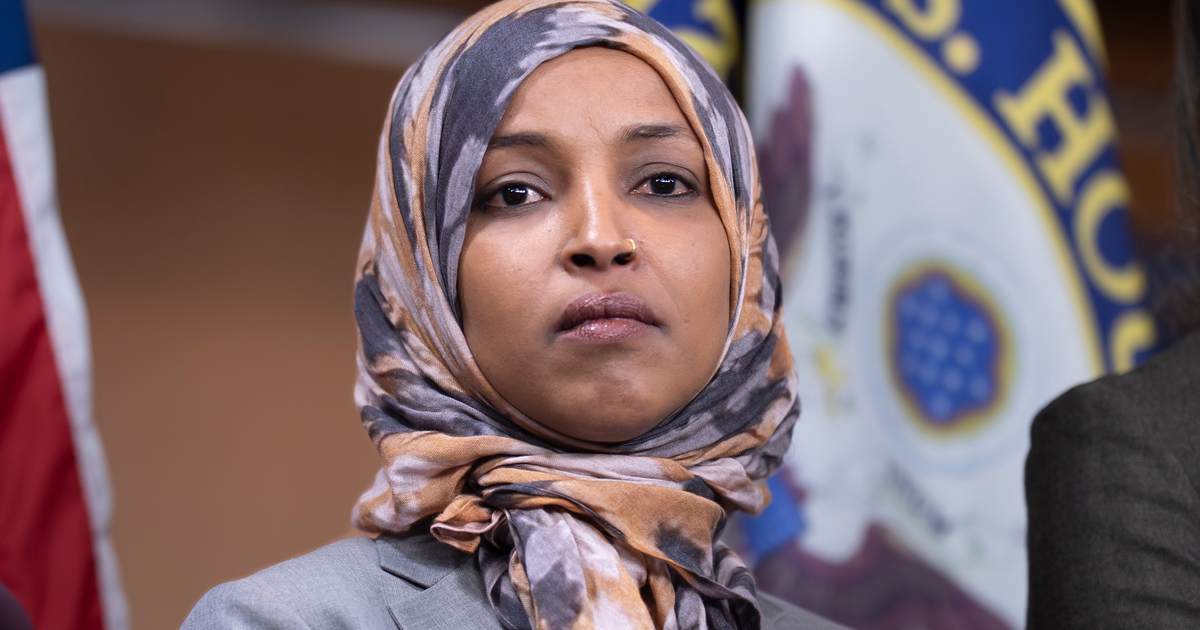
Federal Raid Targets Omar Amid Unresolved Name and Marriage Allegations
Agents searched Rep. Ilhan Omar's DC residence over immigration fraud allegations; she called it bizarre. Reports and commentary questioned her birth name and past marriage details.

Supreme Court Upholds New Hampshire Student ID Voting Ban
The Supreme Court upheld New Hampshire's ban on student IDs as valid voter identification just before midterms, affecting a tight Senate race.
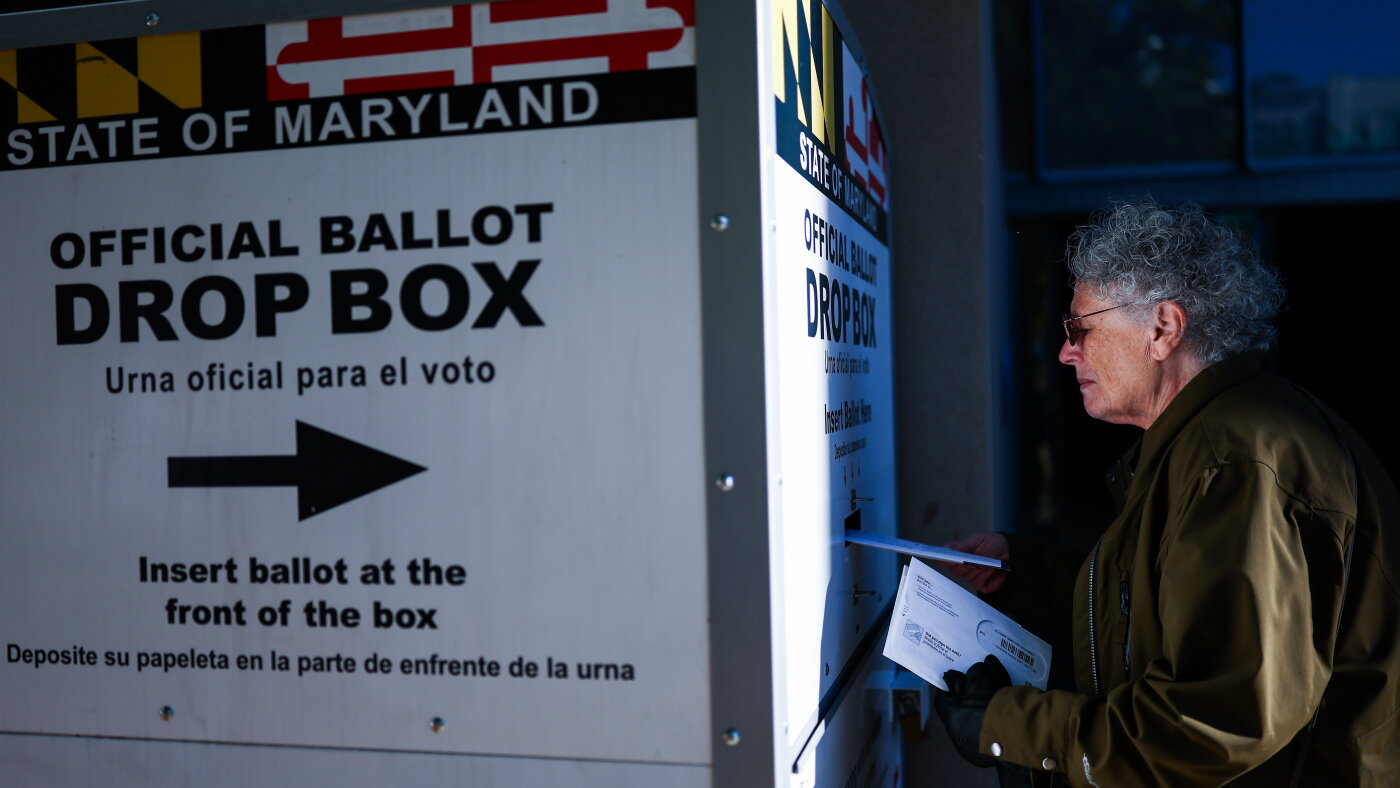
Early Voting Hits 21 Million as Most Trust Midterm Accuracy
Millions have already voted early as parties make final appeals amid $1.4 billion in ad spending; polls show confidence in election accuracy.
The Compass
You just read five takes on one story.
What's your take? Find your political shape in a few minutes.
Take the test