
Judge Voids Trump $100,000 H-1B Visa Fee as Unlawful Tax
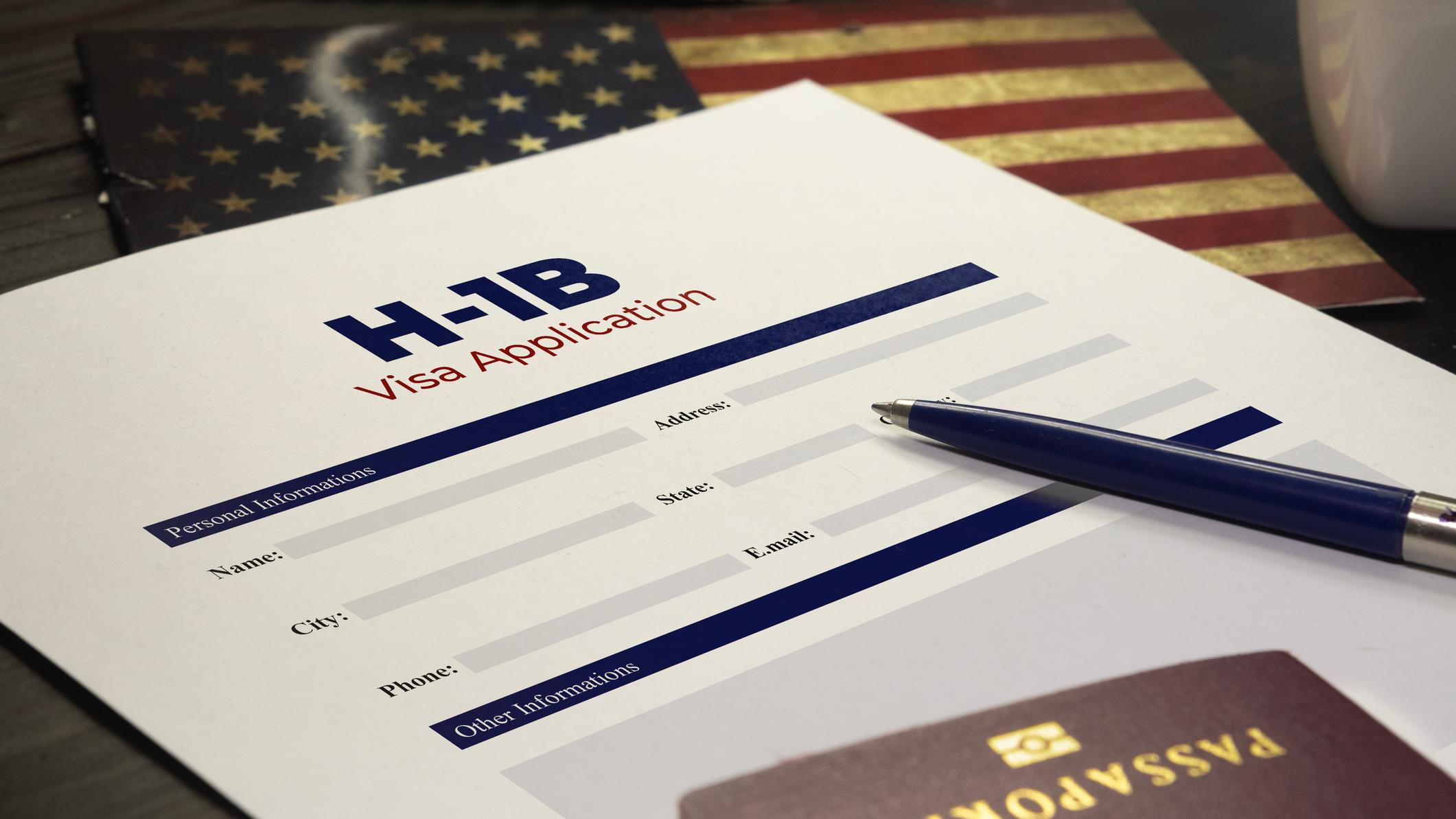
Cover image from time.com, which was analyzed for this article
A federal judge blocked the Trump administration's proposed $100,000 fee on new H-1B visas, easing concerns for employers and foreign workers.
PoliticalOS
Tuesday, June 9, 2026 — Politics
The core dispute is whether the executive branch can impose what the court deemed a tax on visa petitions without Congress. The ruling restores prior fee levels while the administration pursues appeal and conflicting decisions move through other circuits.
What outlets missed
Most coverage omitted the administration’s mid-policy carve-outs for physicians and medical residents after hospitals warned of staffing crises. Few noted the December shift from the H-1B lottery to a weighted selection system favoring higher salaries, a change that remains in effect. Outlets also underplayed the precise timeline of the conflicting D.C. ruling that upheld the fee and the September 2026 expiration date still facing appeal. The low collection total of 85 payments received limited emphasis outside wire copy.
Court Rejects Trump Administration H-1B Visa Fee as Unauthorized Tax
A federal judge in Boston has invalidated the Trump administration's effort to impose a $100,000 fee on new H-1B visa petitions, ruling that the policy exceeded executive authority and functioned as an unlawful tax. U.S. District Judge Leo Sorokin issued the decision Monday, siding with a coalition of 20 states that challenged the September proclamation raising application costs from several thousand dollars to more than $100,000.
The administration had framed the fee as a tool to shield American workers from displacement by lower-paid foreign labor in specialty occupations. Officials cited the Immigration and Nationality Act to argue that the president could restrict entries deemed detrimental to U.S. interests. Sorokin rejected that position, concluding instead that the payment operated as a tax requiring explicit congressional approval. He pointed to the Supreme Court's February ruling striking down similar unilateral tariffs, which also lacked legislative backing.
H-1B visas target roles in fields such as technology, engineering, and medicine where domestic talent shortages are claimed. Data show heavy usage by large technology firms, with roughly three-quarters of approvals historically going to applicants from India. States involved in the lawsuit, including New York, maintained that the steep increase had already complicated recruitment of physicians and educators in underserved areas. New York Attorney General Letitia James described the policy as an attempt to undermine a program that supports essential services.
The ruling aligns with the Administrative Procedure Act's requirements for agency actions, which demand clear statutory grounding. Sorokin noted that the fee's structure and application revealed its character as revenue collection rather than a targeted penalty. The Trump administration has signaled plans to appeal the decision, consistent with its broader push to tighten immigration controls through executive measures.
Critics of the original fee had warned of market distortions, as higher costs could deter employers from pursuing specialized talent unavailable locally. Proponents viewed the hike as necessary correction to a system they said encouraged substitution of American employees. Economic analyses of H-1B usage often highlight contributions to innovation and productivity in competitive sectors, though outcomes vary by industry and firm size. The program's design emphasizes skills that are difficult to source domestically, yet enforcement has long faced disputes over wage levels and worker protections.
This case follows a pattern of judicial checks on immigration actions taken without legislative input. Congress holds primary responsibility for setting visa fees and conditions, a point reinforced across multiple rulings on executive branch initiatives. The decision leaves existing lower fees in place pending further appeals, allowing employers to continue sponsoring petitions under prior rules.
Business groups and universities that rely on H-1B workers for research and development expressed relief at the outcome, citing reduced uncertainty for international recruits. At the same time, labor advocates continue to press for reforms that prioritize domestic hiring and stricter oversight of program compliance. The litigation underscores ongoing tensions between administrative flexibility in immigration enforcement and constitutional limits on taxation and regulation.
Further proceedings may clarify the boundaries of presidential authority in this area, particularly as similar challenges arise over other fee structures or entry restrictions. For now, the Boston ruling restores the pre-September framework for H-1B processing.
You just read Conservative's take. Want to read what actually happened?
More in Politics
Trump at 32% Approval as Gas Prices Test GOP Midterm Hopes
NYT/Siena polling showed Trump's approval at historic lows around 32 percent with Democrats leading by double digits in key districts. Early voting has surged in battleground states.

Record Early Voting Hits Battlegrounds, Shifting Partisan Shares
AP analysis found hundreds of thousands more early ballots than in 2022 in states including Texas, Ohio, Kansas, Maine, and North Carolina, shifting partisan dynamics.
Trump Backs Marshall in Kansas Senate Race Tightened by Farm Costs
President Trump rallied in deep-red Kansas for GOP Sen. Roger Marshall in a competitive race, announcing an $8 billion farm fuel relief program amid high diesel prices. Democrats see an opening to end 94 years of GOP dominance in the state.

Trump Pauses Russia Sanctions Amid Ukraine Tensions and Missile Strikes
Trump waived sanctions on Russia and floated trilateral talks with Putin and Xi as part of ending the Ukraine war, while tensions rose with Zelenskyy over Starlink and arms. Bipartisan senators engaged Zelenskyy amid the shifts.
The Compass
You just read five takes on one story.
What's your take? Find your political shape in a few minutes.
Take the test