
Judge Voids Trump $100,000 H-1B Visa Fee as Unlawful Tax
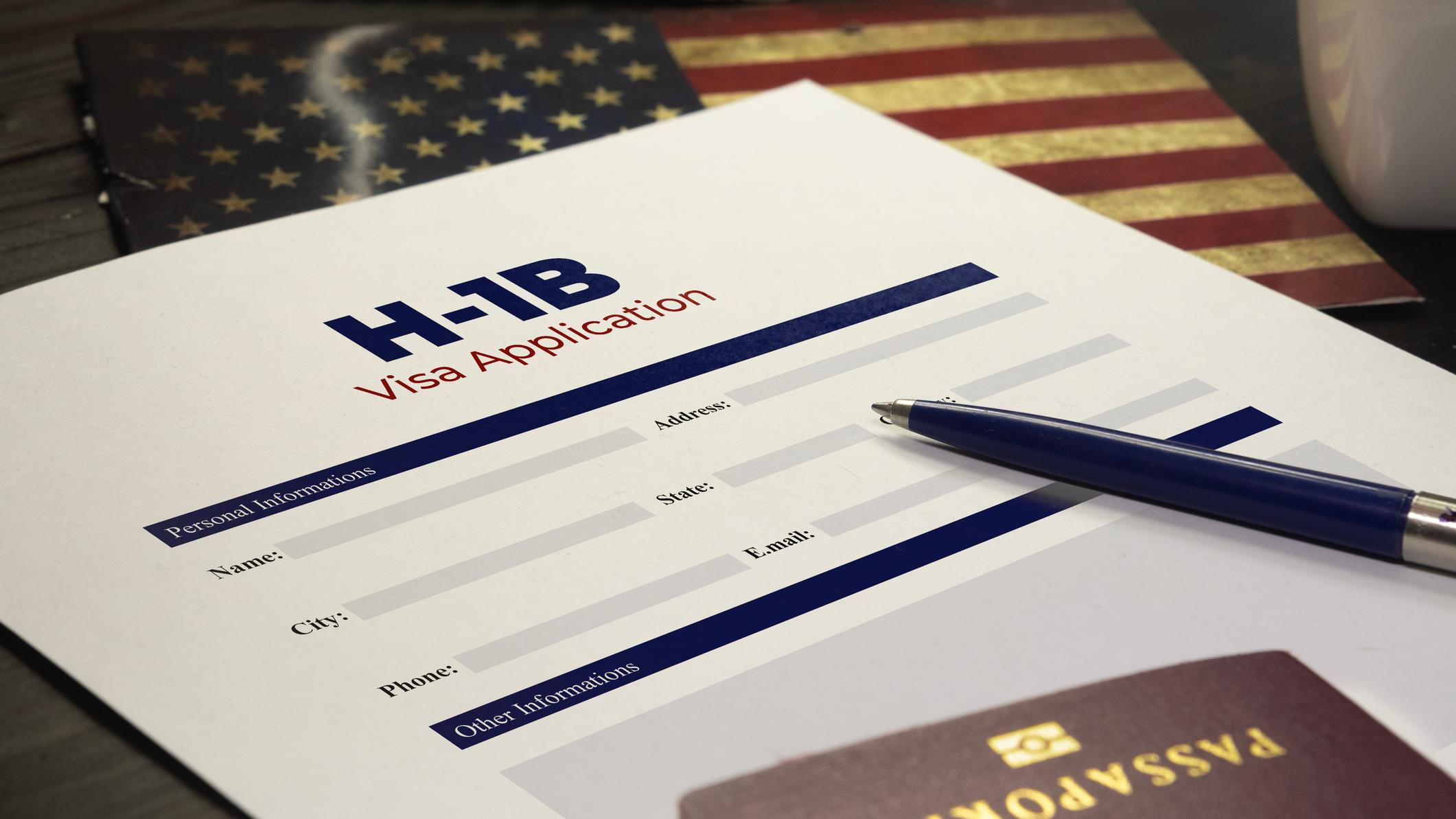
Cover image from time.com, which was analyzed for this article
A federal judge blocked the Trump administration's proposed $100,000 fee on new H-1B visas, easing concerns for employers and foreign workers.
PoliticalOS
Tuesday, June 9, 2026 — Politics
The core dispute is whether the executive branch can impose what the court deemed a tax on visa petitions without Congress. The ruling restores prior fee levels while the administration pursues appeal and conflicting decisions move through other circuits.
What outlets missed
Most coverage omitted the administration’s mid-policy carve-outs for physicians and medical residents after hospitals warned of staffing crises. Few noted the December shift from the H-1B lottery to a weighted selection system favoring higher salaries, a change that remains in effect. Outlets also underplayed the precise timeline of the conflicting D.C. ruling that upheld the fee and the September 2026 expiration date still facing appeal. The low collection total of 85 payments received limited emphasis outside wire copy.
Federal Judge Blocks Trump Bid to Curb H-1B Visa Abuse by Tech Giants
A federal judge in Boston has overturned the Trump administration's attempt to impose a $100,000 fee on new H-1B visas, a move aimed at curbing the program's widespread use to replace American workers with cheaper foreign labor. U.S. District Judge Leo Sorokin, an Obama appointee, ruled Monday that the fee amounted to an unauthorized tax and violated the Administrative Procedure Act.
The decision came in response to a lawsuit filed by attorneys general from 20 Democratic-led states. Those officials argued the higher fee would hinder employers from filling roles in medicine and education. Sorokin agreed the policy exceeded executive authority, drawing on a recent Supreme Court ruling that limited presidential power over tariffs. The Trump administration immediately signaled plans to appeal.
H-1B visas target specialty occupations where qualified American workers are supposedly scarce. In practice, the program has funneled the majority of approvals to Indian nationals working for large technology firms. Nearly three-quarters of recent grants went to applicants from India, often at salaries well below what domestic engineers and programmers command. Companies have long used the system to bring in lower-cost staff, a pattern critics say undercuts wages and opportunities for U.S. citizens.
The administration introduced the $100,000 fee last September precisely to address that imbalance. Officials described the existing program as deliberately exploited to import lower-paid workers rather than supplement genuine shortages. The fee was meant to raise the cost enough to discourage routine outsourcing while still allowing truly exceptional cases.
Sorokin's ruling restores the prior system, under which applications cost only a few thousand dollars. Employers and foreign workers expressed relief after months of uncertainty. Yet the decision leaves intact the core incentives that have turned H-1B into a pipeline for global labor arbitrage. Technology companies remain the heaviest users, and the flow of visas to India continues without added friction.
New York Attorney General Letitia James, one of the plaintiffs, celebrated the outcome as protecting doctors and teachers. Data on approvals, however, shows the bulk of H-1B petitions serve software and engineering roles at firms with large offshore operations. The program's original intent to fill gaps where no Americans can be found has steadily eroded under pressure from employers seeking cost savings.
The White House has not ruled out seeking congressional approval for similar restrictions. President Trump, when asked about the ruling, pointed to repeated instances of judges overriding immigration measures without legislative backing. The administration maintains that unchecked use of the visa program directly displaces American talent in high-skill fields.
With the appeal pending, the $100,000 fee remains blocked for now. Employers can resume filing at the lower rate, ensuring the steady supply of foreign workers that large corporations have come to rely upon. For American professionals in technology and related sectors, the court decision preserves the status quo that has long favored global hiring over domestic employment.
You just read America First's take. Want to read what actually happened?
More in Politics
Trump at 32% Approval as Gas Prices Test GOP Midterm Hopes
NYT/Siena polling showed Trump's approval at historic lows around 32 percent with Democrats leading by double digits in key districts. Early voting has surged in battleground states.

Record Early Voting Hits Battlegrounds, Shifting Partisan Shares
AP analysis found hundreds of thousands more early ballots than in 2022 in states including Texas, Ohio, Kansas, Maine, and North Carolina, shifting partisan dynamics.
Trump Backs Marshall in Kansas Senate Race Tightened by Farm Costs
President Trump rallied in deep-red Kansas for GOP Sen. Roger Marshall in a competitive race, announcing an $8 billion farm fuel relief program amid high diesel prices. Democrats see an opening to end 94 years of GOP dominance in the state.

Trump Pauses Russia Sanctions Amid Ukraine Tensions and Missile Strikes
Trump waived sanctions on Russia and floated trilateral talks with Putin and Xi as part of ending the Ukraine war, while tensions rose with Zelenskyy over Starlink and arms. Bipartisan senators engaged Zelenskyy amid the shifts.
The Compass
You just read five takes on one story.
What's your take? Find your political shape in a few minutes.
Take the test