
Judge Voids Trump $100,000 H-1B Visa Fee as Unlawful Tax
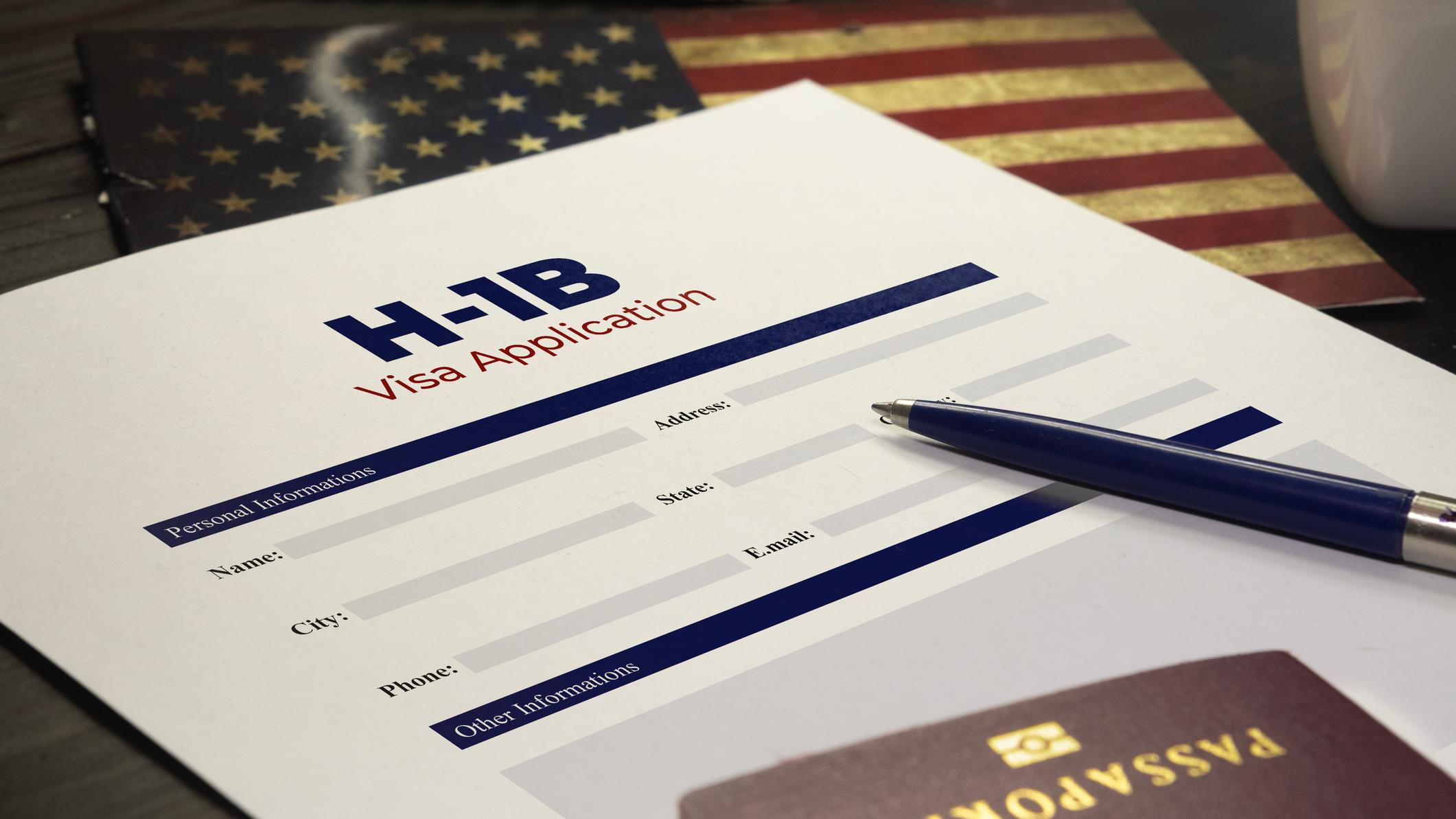
Cover image from time.com, which was analyzed for this article
A federal judge blocked the Trump administration's proposed $100,000 fee on new H-1B visas, easing concerns for employers and foreign workers.
PoliticalOS
Tuesday, June 9, 2026 — Politics
The core dispute is whether the executive branch can impose what the court deemed a tax on visa petitions without Congress. The ruling restores prior fee levels while the administration pursues appeal and conflicting decisions move through other circuits.
What outlets missed
Most coverage omitted the administration’s mid-policy carve-outs for physicians and medical residents after hospitals warned of staffing crises. Few noted the December shift from the H-1B lottery to a weighted selection system favoring higher salaries, a change that remains in effect. Outlets also underplayed the precise timeline of the conflicting D.C. ruling that upheld the fee and the September 2026 expiration date still facing appeal. The low collection total of 85 payments received limited emphasis outside wire copy.
Federal Judge Vacates Trump Administration's Sharp H-1B Visa Fee Increase
A federal judge in Boston has struck down the Trump administration's attempt to impose a $100,000 fee on new H-1B visa petitions, ruling that the policy amounted to an unauthorized tax and exceeded the executive branch's statutory authority. The decision by U.S. District Judge Leo Sorokin, an Obama appointee, blocks one of the administration's most aggressive efforts to reshape the program that brings in highly skilled foreign workers.
Sorokin's Monday ruling came in a lawsuit filed by 20 states, led by Democratic attorneys general. He found that the fee, announced last September through a presidential proclamation, violated the Administrative Procedure Act and lacked the congressional delegation required for imposing taxes. The judge noted that the payment functioned as a tax rather than a legitimate penalty or restriction on entry, drawing on the Supreme Court's February decision that invalidated much of the administration's tariff regime on similar constitutional grounds.
The H-1B program is designed for specialty occupations where employers demonstrate they cannot readily find qualified American workers. Technology firms account for the largest share of approvals, though the visas also support hospitals, universities and research institutions. Roughly three-quarters of recipients come from India. Before the new policy, petition costs typically ran several thousand dollars; the increase to more than $100,000 triggered immediate uncertainty for employers, international students and workers already in the country on temporary status.
The administration defended the fee as necessary to prevent the program from displacing American labor, arguing that the Immigration and Nationality Act gave the president broad power to limit entries deemed detrimental to U.S. interests. Sorokin rejected that framing, concluding the measure was not a targeted entry restriction but a blunt revenue tool that Congress alone can authorize.
New York Attorney General Letitia James, whose office joined the suit, said the ruling protects access to doctors, teachers and other specialists who fill documented shortages. The states had argued that even before the fee increase, the program was already difficult to navigate for employers in health care and education.
The White House indicated it will appeal. President Trump, when asked about the decision, criticized the judiciary's role in reviewing executive immigration actions. The administration has previously used proclamations and regulatory changes to tighten the program, including stricter wage requirements and limits on extensions for certain workers.
H-1B visas remain capped at 85,000 annually, with an additional lottery process that favors advanced-degree holders. Employers must attest that they are not displacing U.S. workers and are paying prevailing wages. Data from U.S. Citizenship and Immigration Services show that approvals have fluctuated with economic conditions and policy shifts, but demand from universities and hospitals has remained steady even as tech hiring cycles vary.
Legal observers note that the ruling reinforces judicial skepticism toward unilateral executive actions that impose significant financial burdens without clear statutory backing. The case now moves to the appeals process, where courts will again weigh the scope of presidential authority under the immigration statutes against the constitutional requirement that taxes originate in Congress. For now, employers sponsoring H-1B workers will continue to pay the lower, pre-existing fee schedule.
You just read Liberal's take. Want to read what actually happened?
More in Politics
Trump at 32% Approval as Gas Prices Test GOP Midterm Hopes
NYT/Siena polling showed Trump's approval at historic lows around 32 percent with Democrats leading by double digits in key districts. Early voting has surged in battleground states.

Record Early Voting Hits Battlegrounds, Shifting Partisan Shares
AP analysis found hundreds of thousands more early ballots than in 2022 in states including Texas, Ohio, Kansas, Maine, and North Carolina, shifting partisan dynamics.
Trump Backs Marshall in Kansas Senate Race Tightened by Farm Costs
President Trump rallied in deep-red Kansas for GOP Sen. Roger Marshall in a competitive race, announcing an $8 billion farm fuel relief program amid high diesel prices. Democrats see an opening to end 94 years of GOP dominance in the state.

Trump Pauses Russia Sanctions Amid Ukraine Tensions and Missile Strikes
Trump waived sanctions on Russia and floated trilateral talks with Putin and Xi as part of ending the Ukraine war, while tensions rose with Zelenskyy over Starlink and arms. Bipartisan senators engaged Zelenskyy amid the shifts.
The Compass
You just read five takes on one story.
What's your take? Find your political shape in a few minutes.
Take the test