
Judge Voids Trump $100,000 H-1B Visa Fee as Unlawful Tax
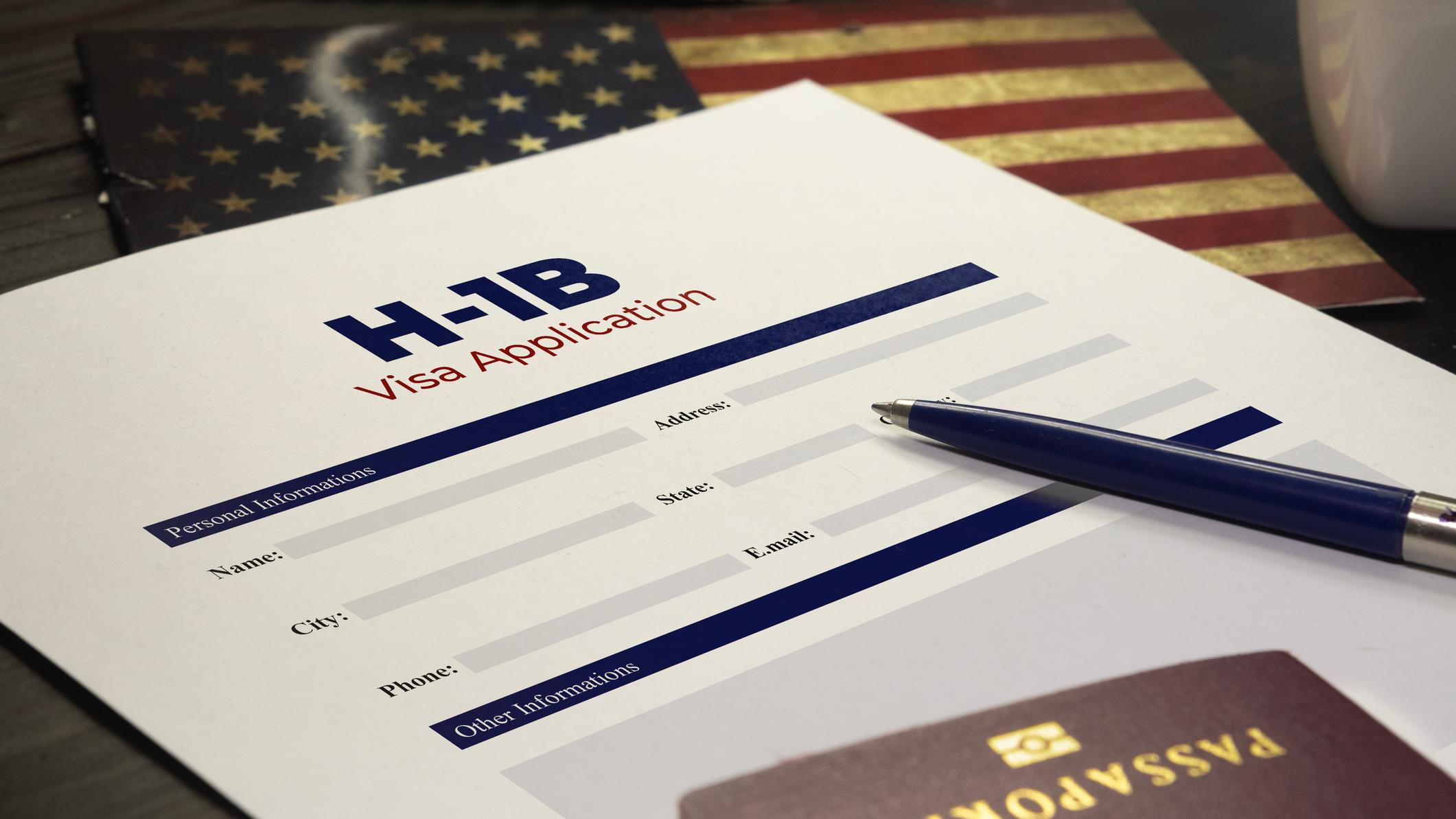
Cover image from time.com, which was analyzed for this article
A federal judge blocked the Trump administration's proposed $100,000 fee on new H-1B visas, easing concerns for employers and foreign workers.
PoliticalOS
Tuesday, June 9, 2026 — Politics
The core dispute is whether the executive branch can impose what the court deemed a tax on visa petitions without Congress. The ruling restores prior fee levels while the administration pursues appeal and conflicting decisions move through other circuits.
What outlets missed
Most coverage omitted the administration’s mid-policy carve-outs for physicians and medical residents after hospitals warned of staffing crises. Few noted the December shift from the H-1B lottery to a weighted selection system favoring higher salaries, a change that remains in effect. Outlets also underplayed the precise timeline of the conflicting D.C. ruling that upheld the fee and the September 2026 expiration date still facing appeal. The low collection total of 85 payments received limited emphasis outside wire copy.
Federal Court Blocks Trump's Costly H-1B Visa Fee as Unlawful Overreach
A federal judge in Boston has struck down the Trump administration's effort to impose a $100,000 fee on new H-1B visa applications, ruling that the policy amounted to an unauthorized tax and exceeded presidential authority. U.S. District Judge Leo Sorokin delivered the decision Monday, siding with 20 states that challenged the fee as a violation of the Administrative Procedure Act and the Constitution's separation of powers.
The administration had rolled out the steep increase last September through a proclamation, arguing it was needed to stop companies from replacing American workers with lower-paid foreign labor. Sorokin rejected that framing, concluding the charge functioned as a tax that Congress alone could authorize. He pointed to the Supreme Court's February ruling against Trump's broad tariffs, which similarly found the executive branch lacked power to impose what amounted to taxes without legislative approval. The new H-1B fee would have raised costs from a few thousand dollars to more than $100,000 per petition, triggering widespread confusion among employers, universities, and workers abroad.
H-1B visas target specialty occupations where qualified U.S. workers are scarce, with approvals heavily concentrated in technology, medicine, and education. Nearly three-quarters of recent recipients have come from India, and major tech firms have long relied on the program. States including New York warned that the fee would make it nearly impossible to recruit doctors, teachers, and other essential professionals already in short supply. New York Attorney General Letitia James, whose office led part of the coalition, said the ruling ends an illegal attempt to dismantle a program that supports thousands of critical roles serving residents across the country.
The Trump administration immediately signaled plans to appeal, maintaining the fee was a legitimate penalty under the Immigration and Nationality Act to protect domestic employment. Yet the court found the policy's structure and application revealed its true nature as revenue-raising rather than a targeted restriction. Employers had already begun adjusting hiring plans amid the uncertainty, with reports of delayed offers and withdrawn sponsorships for international talent.
This latest setback follows a pattern of judicial checks on unilateral immigration measures from the White House. Sorokin's opinion underscored that the executive cannot bypass Congress to extract large payments from businesses seeking to fill specialized positions. For the many H-1B holders already in the United States, including those pursuing green cards or advancing in fields like engineering and healthcare, the decision restores a measure of stability to a process that had been thrown into disarray.
Critics of the fee hike had noted its disproportionate impact on smaller organizations and public institutions that lack the resources of large corporations. The ruling arrives as debates over skilled immigration continue, with data showing H-1B workers often complement rather than displace American employees in high-demand sectors. States that brought the suit framed the policy as part of a broader push to restrict legal pathways, even as employers across the economy face talent shortages.
The administration's response has included sharp criticism of the judiciary, with Trump questioning whether Congress should be asked to codify the fee. Legal observers expect further litigation as the appeal moves forward, potentially reaching higher courts already familiar with challenges to expansive executive actions on trade and immigration. For now, the $100,000 charge is off the table, preserving access to the H-1B program in its prior form for employers navigating a competitive global market for specialized skills.
You just read Progressive's take. Want to read what actually happened?
More in Politics
Trump at 32% Approval as Gas Prices Test GOP Midterm Hopes
NYT/Siena polling showed Trump's approval at historic lows around 32 percent with Democrats leading by double digits in key districts. Early voting has surged in battleground states.

Record Early Voting Hits Battlegrounds, Shifting Partisan Shares
AP analysis found hundreds of thousands more early ballots than in 2022 in states including Texas, Ohio, Kansas, Maine, and North Carolina, shifting partisan dynamics.
Trump Backs Marshall in Kansas Senate Race Tightened by Farm Costs
President Trump rallied in deep-red Kansas for GOP Sen. Roger Marshall in a competitive race, announcing an $8 billion farm fuel relief program amid high diesel prices. Democrats see an opening to end 94 years of GOP dominance in the state.

Trump Pauses Russia Sanctions Amid Ukraine Tensions and Missile Strikes
Trump waived sanctions on Russia and floated trilateral talks with Putin and Xi as part of ending the Ukraine war, while tensions rose with Zelenskyy over Starlink and arms. Bipartisan senators engaged Zelenskyy amid the shifts.
The Compass
You just read five takes on one story.
What's your take? Find your political shape in a few minutes.
Take the test