
Hegseth Defends Record $1.5 Trillion Defense Budget in Iran Hearings

Cover image from foxnews.com, which was analyzed for this article
Defense nominee Hegseth testifies on record $1.5T Pentagon budget amid Iran questions and Democrat opposition. Senate GOP urges House reconciliation. Hearings underscore midterm fiscal fights.
PoliticalOS
Tuesday, May 12, 2026 — Politics
The core unresolved question is whether a 43 percent jump in defense spending can be sustained without a clearer strategy for ending the Iran conflict or broader agreement on national priorities. Readers should weigh the documented munitions depletion against partisan claims about waste and necessity.
What outlets missed
Neither outlet supplied the exact FY2026 baseline of roughly $1.05 trillion or adjusted the 43 percent increase for inflation and wartime supplements. Details on specific line items such as $65 billion for the Golden Fleet and $20 billion for Golden Dome appeared only in Fox reporting and were not corroborated elsewhere. The status of stalled U.S.-Iran peace talks and the shuttered Strait of Hormuz received minimal follow-up beyond Trump's public remarks. Long-term questions about how sustained higher defense spending would affect the federal deficit or domestic programs were left unaddressed.
Pentagon Officials Defend Massive Spending Hike Before Lawmakers
House lawmakers opened hearings Tuesday on the Pentagon's request for 1.5 trillion dollars in defense funding for 2027, with Department of War Secretary Pete Hegseth joined by Joint Chiefs Chairman Gen. Dan Caine and comptroller Jules Hurst. The proposal marks a sharp rise from current levels and comes as lawmakers weigh competing demands on federal resources.
The request would lift defense outlays by nearly half compared with 2026 figures. Administration officials argue the increase is required to rebuild depleted weapons stocks, strengthen the defense industrial base, and address challenges posed by Iran and other adversaries. President Trump described the proposed force as a "dream military" during remarks the previous day. At the same time, he characterized the existing ceasefire with Iran as on life support while the Strait of Hormuz stays effectively closed to normal traffic.
Democrats on the House Appropriations defense subcommittee signaled strong opposition to the scale of the increase. Some Republicans have also voiced reservations about the pace of growth and its effect on nondefense accounts. The hearing follows earlier April sessions in which Hegseth clashed with critics over the conduct of operations against Iranian targets. Tuesday's session is expected to revisit those issues along with the broader justification for sustained high levels of military expenditure.
The administration maintains that current threats leave little room for restraint. Replenishing precision munitions and expanding production capacity are presented as immediate priorities after recent operations. Yet the jump in requested funds occurs against a backdrop of already elevated baseline defense spending that has grown steadily for more than two decades. Historical patterns suggest that large, rapid increases in military budgets often produce uneven results once procurement pipelines, contractor incentives, and administrative overhead are taken into account.
Caine and Hurst are scheduled to accompany Hegseth in both House and Senate appearances. Their testimony will likely address not only spending totals but also the metrics used to judge whether added dollars translate into improved readiness and deterrence. Past experience shows that budget growth alone does not guarantee those outcomes when acquisition processes remain cumbersome and requirements lists expand without corresponding discipline.
Lawmakers face the familiar tension between immediate security needs and the long-term costs of financing them through borrowing or reduced outlays elsewhere. The administration has framed domestic spending restraint as a necessary counterpart to the defense request. Critics counter that the overall federal ledger offers little margin for such expansion without further pressure on interest costs and future tax burdens.
The hearings are set to continue into the afternoon as members probe both the strategic rationale and the practical mechanics of delivering the requested capabilities on schedule and within projected costs.
You just read Conservative's take. Want to read what actually happened?
More in Politics

Trump Defends Ramaswamy Ad Using Estranged Mother in Ohio Race
President Trump defended a GOP nominee's ad featuring a Democratic opponent's estranged mother, calling it powerful, while drawing criticism from some Republicans including Ohio Gov. Mike DeWine. The ad has sparked internal GOP tensions ahead of midterms.

Federal Raid Targets Omar Amid Unresolved Name and Marriage Allegations
Agents searched Rep. Ilhan Omar's DC residence over immigration fraud allegations; she called it bizarre. Reports and commentary questioned her birth name and past marriage details.

Supreme Court Upholds New Hampshire Student ID Voting Ban
The Supreme Court upheld New Hampshire's ban on student IDs as valid voter identification just before midterms, affecting a tight Senate race.
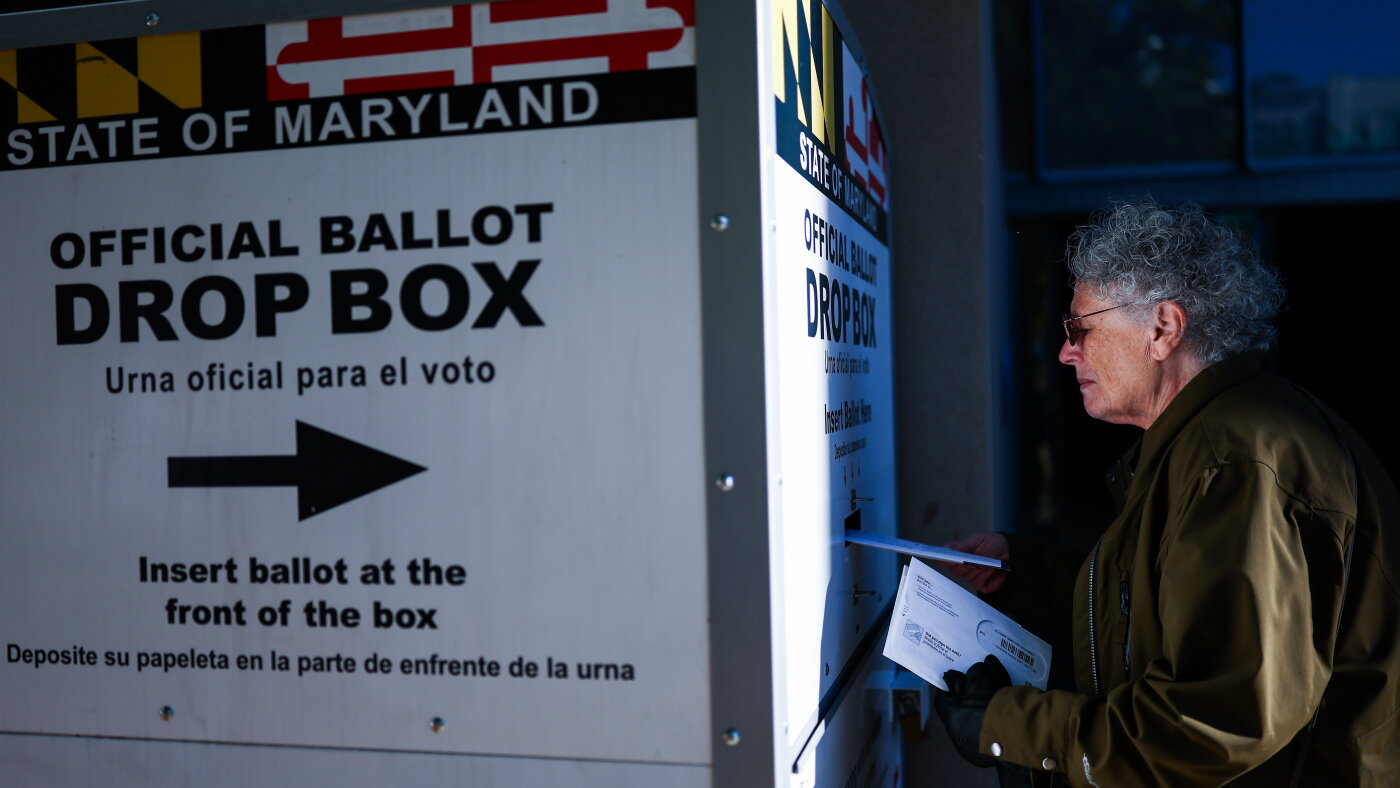
Early Voting Hits 21 Million as Most Trust Midterm Accuracy
Millions have already voted early as parties make final appeals amid $1.4 billion in ad spending; polls show confidence in election accuracy.
The Compass
You just read five takes on one story.
What's your take? Find your political shape in a few minutes.
Take the test