
Hegseth Defends Record $1.5 Trillion Defense Budget in Iran Hearings

Cover image from foxnews.com, which was analyzed for this article
Defense nominee Hegseth testifies on record $1.5T Pentagon budget amid Iran questions and Democrat opposition. Senate GOP urges House reconciliation. Hearings underscore midterm fiscal fights.
PoliticalOS
Tuesday, May 12, 2026 — Politics
The core unresolved question is whether a 43 percent jump in defense spending can be sustained without a clearer strategy for ending the Iran conflict or broader agreement on national priorities. Readers should weigh the documented munitions depletion against partisan claims about waste and necessity.
What outlets missed
Neither outlet supplied the exact FY2026 baseline of roughly $1.05 trillion or adjusted the 43 percent increase for inflation and wartime supplements. Details on specific line items such as $65 billion for the Golden Fleet and $20 billion for Golden Dome appeared only in Fox reporting and were not corroborated elsewhere. The status of stalled U.S.-Iran peace talks and the shuttered Strait of Hormuz received minimal follow-up beyond Trump's public remarks. Long-term questions about how sustained higher defense spending would affect the federal deficit or domestic programs were left unaddressed.
Hegseth Defends Record Pentagon Budget Request as Democrats Signal Resistance
Defense Secretary Pete Hegseth appeared before House appropriators Tuesday to justify a Pentagon budget request that would balloon to 1.5 trillion dollars for fiscal year 2027, a figure that represents a nearly 50 percent increase over current levels and comes alongside proposed cuts to domestic programs. The hearing, which included testimony from Joint Chiefs Chairman Gen. Dan Caine and Pentagon comptroller Jules Hurst, marked the first formal congressional review of the Trump administration's sweeping defense spending plan.
Democrats on the committee quickly signaled they would oppose the proposal, citing both its size and the administration's ongoing military involvement with Iran. The request would sharply expand weapons procurement, shipbuilding, and munitions production while trimming non-defense discretionary accounts. Administration officials argue the surge is required to deter China and Russia, restock depleted inventories after years of aid to Ukraine and Israel, and rebuild a defense industrial base they describe as strained.
Yet the timing of the hearing coincides with renewed friction over Iran policy. President Trump told reporters Monday that the U.S.-brokered ceasefire with Tehran is "on life support," with the Strait of Hormuz remaining effectively closed to commercial traffic. Lawmakers are expected to press Hegseth on how the budget accounts for sustained operations in the region and whether additional supplemental funding will be sought if tensions escalate further. In previous appearances, Hegseth has clashed with Democrats over the scope and cost of U.S. strikes against Iranian targets, prompting accusations that the administration is pursuing an open-ended campaign without clear congressional authorization.
Republicans on the panel, including several fiscal conservatives, also voiced unease about the topline number. Some questioned whether the proposed increase could be absorbed efficiently by the Pentagon's acquisition system, which has long struggled with cost overruns on major programs. Others pressed for assurances that domestic spending reductions would not affect veterans' programs or military family support, areas that have historically enjoyed bipartisan protection.
The back-to-back schedule, with the same witnesses set to appear before the Senate defense appropriations subcommittee later in the day, underscores the compressed timeline Congress faces. Lawmakers must complete the annual defense bill before the September 30 end of the fiscal year, a deadline made more difficult by partisan divides over both the overall defense topline and the Iran mission. Outside analysts note that a 1.5 trillion dollar defense budget would exceed the combined military spending of the next ten largest nations, raising questions about long-term sustainability even among some defense hawks.
Hegseth is likely to emphasize the need for rapid industrial expansion and readiness improvements, framing the request as essential to restoring deterrence after what the administration calls years of underinvestment. Democrats, however, are prepared to highlight trade-offs, pointing to proposed reductions in education, housing, and environmental enforcement that would help offset the defense increase. With control of the House narrowly divided, the outcome of these hearings could shape not only the final spending levels but also the broader debate over whether the United States can sustain simultaneous military commitments abroad and domestic priorities at home.
You just read Progressive's take. Want to read what actually happened?
More in Politics
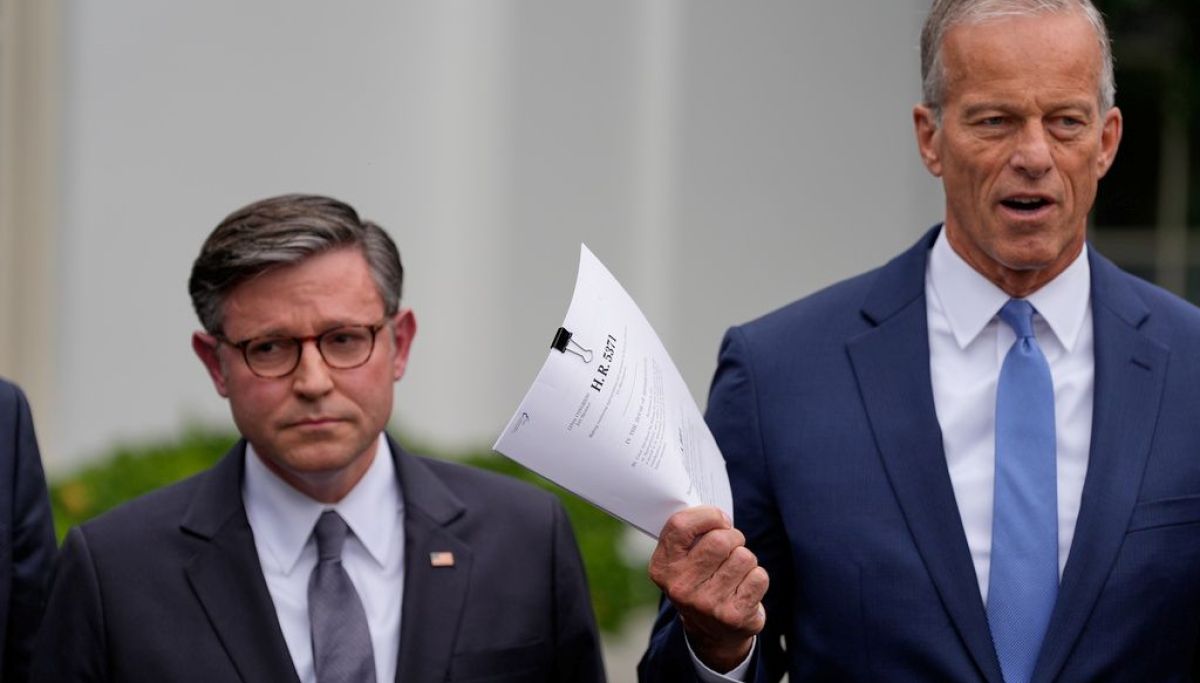
Trump at 32% Approval as Gas Prices Test GOP Midterm Hopes
NYT/Siena polling showed Trump's approval at historic lows around 32 percent with Democrats leading by double digits in key districts. Early voting has surged in battleground states.

Record Early Voting Hits Battlegrounds, Shifting Partisan Shares
AP analysis found hundreds of thousands more early ballots than in 2022 in states including Texas, Ohio, Kansas, Maine, and North Carolina, shifting partisan dynamics.
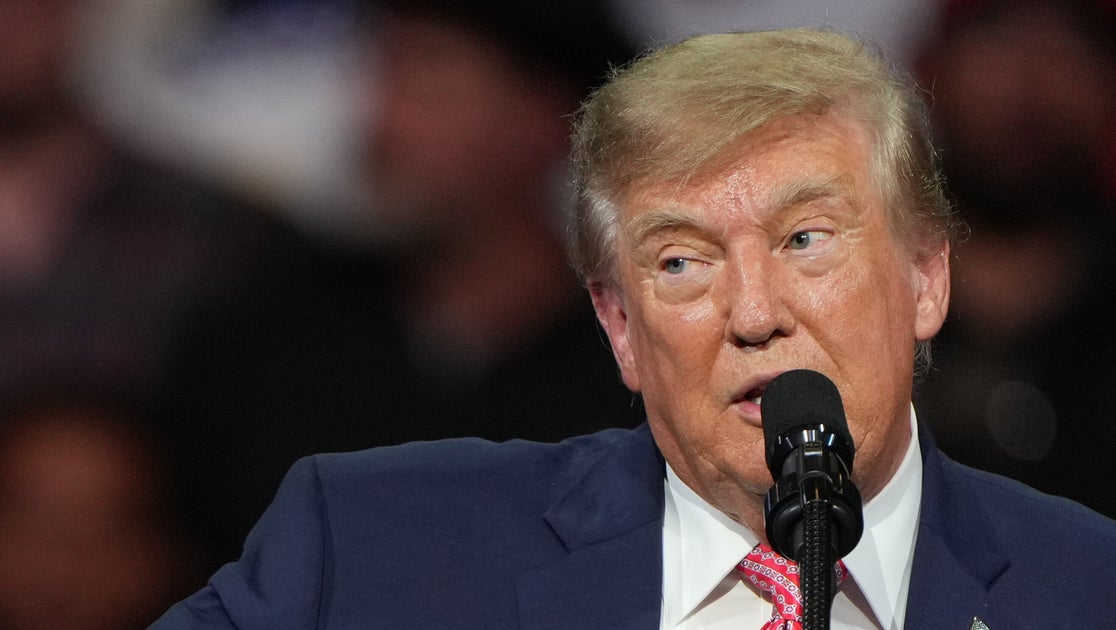
Trump Backs Marshall in Kansas Senate Race Tightened by Farm Costs
President Trump rallied in deep-red Kansas for GOP Sen. Roger Marshall in a competitive race, announcing an $8 billion farm fuel relief program amid high diesel prices. Democrats see an opening to end 94 years of GOP dominance in the state.

Trump Pauses Russia Sanctions Amid Ukraine Tensions and Missile Strikes
Trump waived sanctions on Russia and floated trilateral talks with Putin and Xi as part of ending the Ukraine war, while tensions rose with Zelenskyy over Starlink and arms. Bipartisan senators engaged Zelenskyy amid the shifts.
The Compass
You just read five takes on one story.
What's your take? Find your political shape in a few minutes.
Take the test