
Hegseth Orders Review of Kelly Iran Munitions Comments
Cover image from bbc.com, which was analyzed for this article
Pentagon chief Hegseth accuses Sen. Mark Kelly of revealing classified info on US munitions stockpiles depleted by Iran war, launching review. Kelly defends; tied to war critiques. Escalates partisan tensions.
PoliticalOS
Monday, May 11, 2026 — Politics
The central unresolved question is whether Kelly's specific missile details crossed from public testimony into classified territory. Readers should weigh the administration's classification review against the documented public record of stockpile concerns and ongoing legal limits on Pentagon actions against the senator.
What outlets missed
Most coverage omitted Hegseth's public claim that U.S. stockpiles are now full up after replenishment efforts. Independent analyses from CSIS documented precise depletion rates, such as roughly 45 percent of Precision Strike Missiles and half of Patriot and THAAD interceptors expended in the first seven weeks. Court records show the prior probe into Kelly was temporarily blocked on First Amendment grounds in February, with the appeals court signaling skepticism last week. Few outlets noted that Kelly named exact missile types on television that overlapped both public hearing testimony and classified briefing details.
Defense Secretary Questions Senator Over Munitions Comments
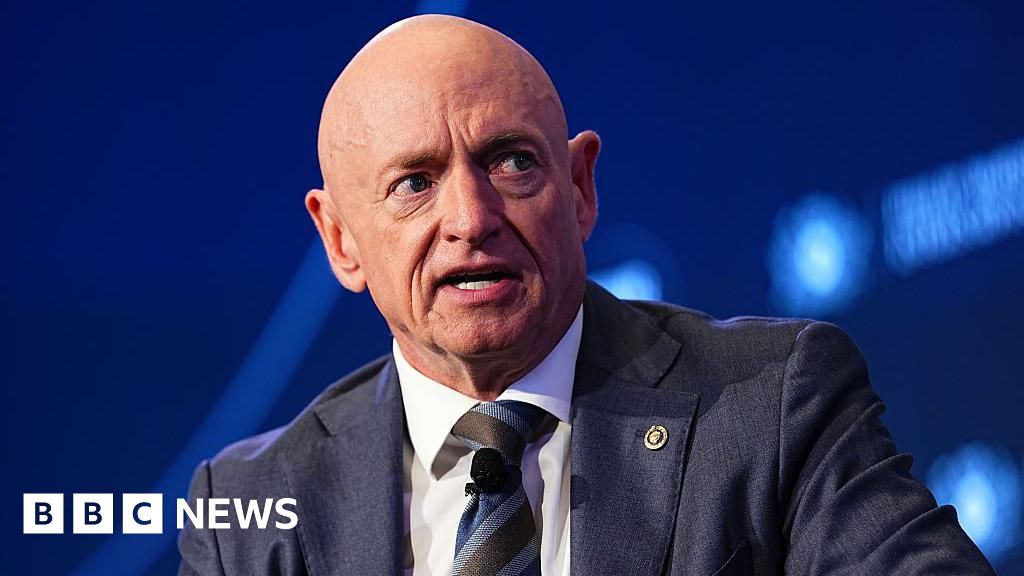
Defense Secretary Pete Hegseth has directed Pentagon lawyers to examine comments made by Senator Mark Kelly regarding the depletion of American weapons stockpiles during the ongoing conflict with Iran. The exchange highlights ongoing tensions over military readiness and the costs of sustained operations abroad.
Kelly, a Democratic senator from Arizona and former Navy captain, appeared on CBS News and described the drawdown in U.S. munitions as alarming. He cited briefings on specific systems including Tomahawk cruise missiles, ATACMS, SM-3 interceptors, THAAD rounds, and Patriot missiles. Kelly noted that replenishing these inventories would take years and could leave the United States more vulnerable in other potential conflicts, such as one involving China in the western Pacific. He stressed that these expenditures reduce overall American safety regardless of the specific theater.
Hegseth responded on social media by accusing Kelly of improperly disclosing details from a classified Pentagon briefing. He referred to the senator as "Captain Mark Kelly" and suggested the comments might violate an oath of office, prompting a legal review by the Department of War. The defense secretary described the remarks as both false and ill-advised.
Kelly countered that the information originated not from any secret session but from a public Senate hearing held weeks earlier. During that open session, Hegseth himself stated that replenishing certain stockpiles would require months and years. Kelly pointed out the inconsistency and pressed for clearer explanations from the administration about the objectives of the Iran campaign, which he said imposes serious costs without defined endpoints.
Public records confirm the earlier exchange occurred in late April before the Senate Armed Services Committee. Hegseth acknowledged the timeline for rebuilding inventories during that testimony. The current dispute follows prior friction between the two men, including past accusations leveled against Kelly over statements encouraging service members to reject unlawful orders.
The underlying issue remains the strain on U.S. munitions supplies after months of operations against Iran. Historical patterns show that extended military engagements often accelerate consumption of precision-guided weapons beyond initial projections, requiring extended production ramps to restore levels. Kelly's warnings align with assessments from defense analysts who track inventory data across multiple systems.
Hegseth's call for review raises questions about where classified boundaries are drawn when senior officials have already discussed the same topics in open forums. Such reviews can serve as tools to deter further commentary, yet they do little to address the practical challenge of restoring depleted reserves amid competing global demands.
The absence of a detailed public accounting for the war's aims continues to fuel debate. Without specified success criteria or exit conditions, the expenditure of finite resources risks leaving gaps in preparedness for other contingencies. Lawmakers on both sides have previously noted similar concerns during budget deliberations, though partisan framing often obscures the shared stakes in maintaining credible deterrence.
Replenishment efforts will depend on industrial capacity, funding priorities, and production timelines that extend well beyond immediate political disputes. Data from past conflicts indicate that rushed restocking frequently encounters bottlenecks in components and skilled labor. These realities underscore the need for measured assessment over reflexive accusations.
You just read Conservative's take. Want to read what actually happened?
More in Politics
Trump at 32% Approval as Gas Prices Test GOP Midterm Hopes
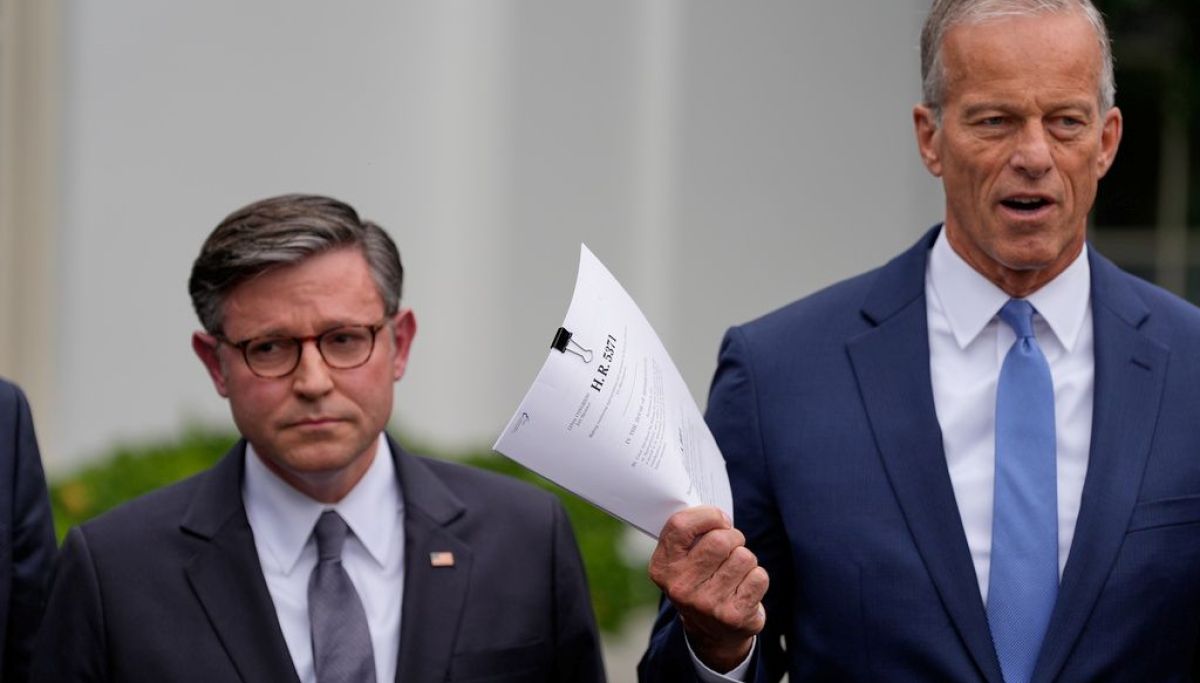
NYT/Siena polling showed Trump's approval at historic lows around 32 percent with Democrats leading by double digits in key districts. Early voting has surged in battleground states.

Record Early Voting Hits Battlegrounds, Shifting Partisan Shares
AP analysis found hundreds of thousands more early ballots than in 2022 in states including Texas, Ohio, Kansas, Maine, and North Carolina, shifting partisan dynamics.
Trump Backs Marshall in Kansas Senate Race Tightened by Farm Costs
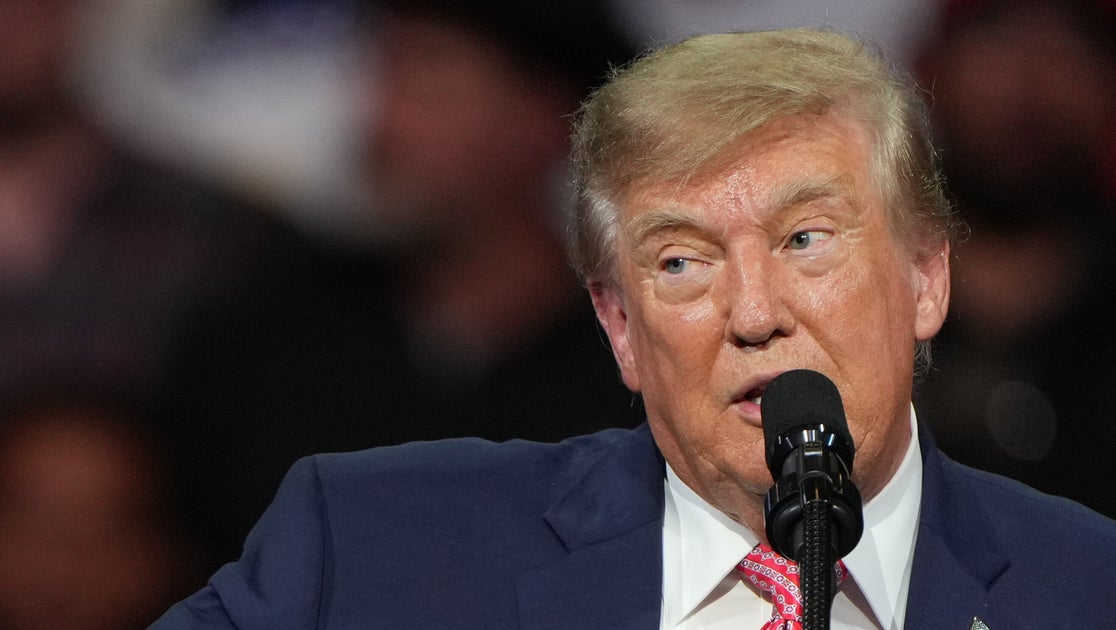
President Trump rallied in deep-red Kansas for GOP Sen. Roger Marshall in a competitive race, announcing an $8 billion farm fuel relief program amid high diesel prices. Democrats see an opening to end 94 years of GOP dominance in the state.

Trump Pauses Russia Sanctions Amid Ukraine Tensions and Missile Strikes
Trump waived sanctions on Russia and floated trilateral talks with Putin and Xi as part of ending the Ukraine war, while tensions rose with Zelenskyy over Starlink and arms. Bipartisan senators engaged Zelenskyy amid the shifts.
The Compass
You just read five takes on one story.
What's your take? Find your political shape in a few minutes.
Take the test