
Iran-Oman Hormuz Route Deal Nears as US Demands Free Passage

Cover image from aljazeera.com, which was analyzed for this article
Iran and Oman are finalizing coordinates for a commercial route through the Strait of Hormuz. The agreement would require US commitments and follows recent strikes, with Trump warning of further action if the strait stays closed.
PoliticalOS
Thursday, August 6, 2026 — Politics
A temporary Iran-Oman shipping arrangement is close to announcement but remains conditional on US policy shifts regarding port access and fees. The central unresolved question is whether any bilateral text can satisfy both Iran’s security demands and Washington’s insistence on unrestricted navigation without Iranian control.
What outlets missed
Several outlets omitted the reported US depletion of long-range precision missiles during the conflict, a detail carried only by CBS News. Coverage rarely quantified pre-closure transit volumes or the precise number of documented vessel attacks beyond general references. The distinction between mandatory tolls on all traffic and voluntary service fees tied to specific routes received inconsistent treatment, leaving readers without a clear basis to assess legal compliance claims. No outlet supplied independent verification of the exact revenue-sharing formula or enforcement mechanisms under discussion.
Global energy markets remain vulnerable to any prolonged closure of the Strait of Hormuz, through which roughly one-fifth of the world’s oil and liquefied natural gas moved before recent disruptions. Iran and Oman have agreed on geographic coordinates for new inbound and outbound shipping lanes and are drafting a joint statement on temporary management of those lanes, according to statements from Iranian officials on Wednesday. The proposed arrangement would direct inbound traffic through waters closer to Iran and outbound traffic nearer to Oman, with service fees collected and shared by the two coastal states.
Iranian Deputy Foreign Minister Kazem Gharibabadi told state media that the routes would operate for two to four months or longer and that existing temporary paths would close. Iranian Foreign Ministry spokesperson Esmaeil Baghaei said the talks cover technical, legal, security and environmental issues and that a final statement is in review, provided no third party interferes. Iranian officials have conditioned any reopening on the United States lifting its naval blockade of Iranian ports.
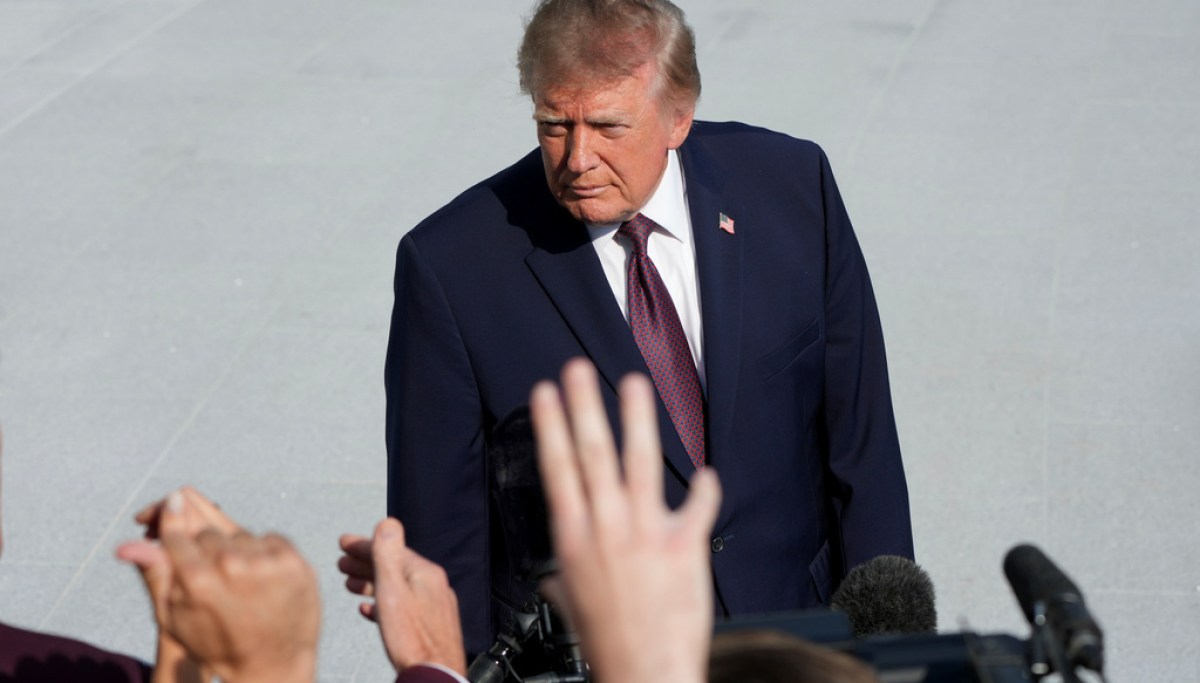
US officials have stated that any temporary arrangement must preserve freedom of navigation without Iranian approval requirements or tolls. President Trump told reporters this week that an announcement could come as soon as Wednesday or Thursday and reiterated opposition to fees, saying the United States would respond in kind to any charges. A US official familiar with the talks told The Associated Press that Washington seeks restoration of the prior system in which no party controls transit lanes.
Oman has served as mediator in earlier US-Iran contacts, and Gulf Cooperation Council members have endorsed the current channel, according to a Gulf government official. Eight major shipping associations wrote to UN and International Maritime Organization leaders warning that compulsory charges would violate international norms and raise energy costs worldwide. The International Maritime Organization has recorded 64 incidents and 17 deaths in the region since February, with at least 6,000 seafarers still stranded as of late July.
The June 17 US-Iran memorandum of understanding, which aimed to keep the strait open for 60 days in exchange for eased restrictions, collapsed over route disagreements. Iranian officials insist the current talks remain bilateral with Oman and do not constitute direct negotiations with Washington. US Central Command has maintained that the southern route through Omani waters stays open and that US forces have assisted more than 1,000 vessels in the past three months.
Analysts note that any final text must reconcile Iran’s insistence on coastal-state authority with US requirements for unrestricted commercial passage. No public agreement has been announced, and the timeline for implementation remains unclear.
More in Politics

Federal Agents Search Omar Home in Ongoing Immigration Probe
Homeland Security agents searched the Minnesota Democrat's DC residence in a criminal probe, prompting accusations of political intimidation from Omar and Democratic leaders. Coverage spans left-leaning outlets like NPR, BBC, and The Guardian alongside right-leaning criticism from The Federalist and Daily Wire.

Trump Diesel Import Plan Draws Pushback Over Russia Ties
The weekend agreement drew bipartisan congressional pushback and criticism from Ukraine's Zelenskyy, with analysts downplaying US fuel price impacts. Right-leaning outlets like National Review, Dispatch, and Washington Examiner questioned its legality and effectiveness.

Independents Test Voter Appetite for Middle Ground in 2026 Midterms
Nearly 200 independents are running in competitive races as voters weigh ballot measures on housing costs in states like Massachusetts. Left-leaning coverage from NYT, NPR, and Guardian highlights turnout and key races while right outlets focus on GOP strategy.
Trump Rallies in Alaska, Ohio to Bolster GOP Senate Candidates
The president rallied in Wasilla for Sen. Dan Sullivan and faced empty seats at an Ohio event amid midterm concerns. Outlets across the spectrum covered the trips as signals of GOP vulnerability weeks before Election Day.
The Compass
You just read five takes on one story.
What's your take? Find your political shape in a few minutes.
Take the test