
House Passes Two-Week FISA Extension After Conservative Revolt
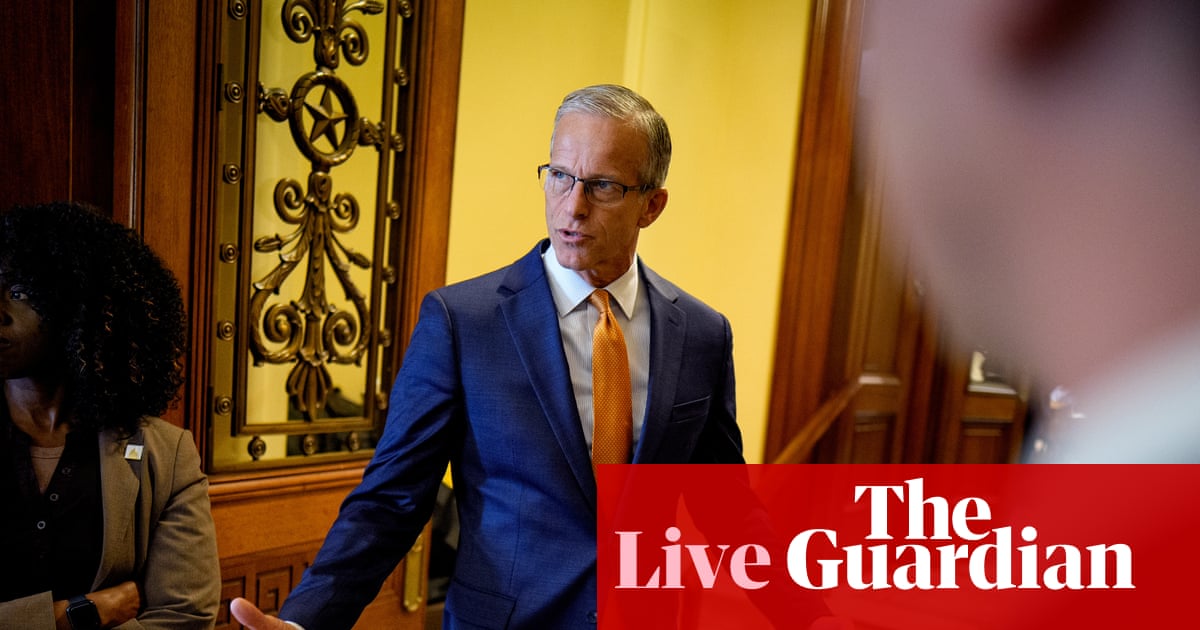
Cover image from theguardian.com, which was analyzed for this article
The House approved a brief two-week extension of FISA Section 702 warrantless surveillance powers following a late-night rebellion by conservative Republicans that sank a longer-term renewal lacking reforms. The stopgap measure prevents an immediate program lapse amid partisan fights over privacy versus security. Trump pushed for a clean bill, but divisions forced the punt to late April.
PoliticalOS
Friday, April 17, 2026 — Politics
Congress has bought two weeks to reconcile national security needs for warrantless foreign surveillance with persistent demands for warrants before querying Americans' incidental data. The conservative revolt, despite pressure from Trump and intelligence leaders, shows that past FBI abuses continue to erode trust across party lines. Readers should watch whether the final deal includes meaningful oversight or simply renews the status quo, as the underlying tension between security and privacy remains unresolved.
What outlets missed
Most coverage downplayed or omitted the more than 50 reforms Congress enacted in 2024, which Jordan cited as making a short clean extension viable now. Outlets also underplayed specific successes attributed to Section 702, including thwarting attacks at domestic venues and aiding hostage rescues, as referenced in intelligence community briefings. The fact that a recent FISA Court order allows the program to continue operating into 2027 even without statutory renewal received little attention, softening the claimed urgency of immediate lapse. Finally, bipartisan elements received uneven treatment: while some noted Democratic opposition to the GOP proposals, few detailed how progressives joined conservatives in demanding warrants, or how a handful of Democrats tried to help advance the leadership bills.
House Delays Critical Intelligence Program Renewal After Conservative Revolt
The House of Representatives voted in the early hours of Friday to extend Section 702 of the Foreign Intelligence Surveillance Act for 10 days, pushing back a Monday expiration and buying time for negotiations on a program that has repeatedly demonstrated its value in protecting American lives from foreign threats. The stopgap measure passed by unanimous consent shortly after 2 a.m. following the collapse of two longer-term proposals, as roughly 20 Republican lawmakers joined Democrats in blocking both a five-year renewal with added reforms and an 18-month extension sought by President Donald Trump and House Speaker Mike Johnson.
Section 702 permits U.S. intelligence agencies to collect electronic communications of foreign nationals located outside the United States without individual warrants. The tool has helped foil terrorist plots, including one targeting a Taylor Swift concert in Vienna, and aided in the rescue of hostages held overseas. Its incidental collection of communications involving Americans who contact foreign targets has long fueled debate, but intelligence officials maintain that imposing broad warrant requirements before querying such data would severely hamper rapid response to emerging dangers. Past abuses by the FBI, including improper queries during the 2016 Trump campaign, have rightly eroded trust. Yet the empirical record shows the program's core function targets adversaries, not domestic citizens, a distinction often blurred in political rhetoric.
Trump, who two years ago demanded the program be eliminated after its misuse against his campaign, has shifted to vigorous support, posting on Truth Social that the authority remains "an effective tool to keep Americans safe" and "extremely important to our military" amid conflicts such as the war in Iran. This pragmatic adjustment reflects a recognition that global realities do not pause for domestic score-settling. Johnson had backed the 18-month clean extension before pivoting to a five-year plan that incorporated new warrant requirements for certain queries of American data, elevated criminal penalties for deliberate misuse, and raised the probable-cause threshold for national security investigations involving U.S. persons. Those concessions failed to satisfy either privacy hardliners in the GOP or Democrats eager to portray the process as chaotic.
The late-night sequence exposed genuine fractures. GOP leaders recalled members for votes that first rejected the five-year framework, then an attempt to salvage the shorter Trump-backed measure. Twenty Republicans aligned with most Democrats to sink the rule, forcing the temporary patch. Rep. Thomas Massie and Sen. Ron Wyden, among others, have long argued that any reauthorization must include stricter constitutional safeguards, citing secret interpretations of the law that deserve public scrutiny. Their concerns echo legitimate conservative skepticism of unchecked bureaucratic power. At the same time, the intelligence community's warnings are not abstract: requiring court approval for every incidental American communication could delay action against genuine foreign operatives, trading practical security for procedural purity.
Democrats seized on the procedural disorder, with Rep. Jim McGovern of Massachusetts decrying the middle-of-the-night session as "amateur hour." Yet the real story lies less in scheduling complaints than in the recurring tension between two conservative principles: vigilance against foreign enemies and vigilance against government overreach at home. Privacy advocates correctly note that nearly 350,000 foreign targets' communications are collected annually, some touching Americans. But history demonstrates that weakening intelligence capabilities has consequences measured in lives, not legal briefs. Thomas Sowell's emphasis on trade-offs and unintended consequences applies directly here. Reforms to punish abuse and limit domestic querying make sense. Crippling the program's speed and scope to satisfy absolutist demands does not.
The extension now moves to the Senate, which will hold a rare Friday session. GOP leaders hope the next two weeks will allow refinement of language addressing conservative objections without rendering the tool ineffective. Johnson struck a confident note afterward: "We were very close tonight. There's some nuances with the language and some questions that need to be answered and we'll get it done."
This episode underscores a larger pattern. FISA 702 has operated for nearly two decades with measurable success against terrorism and espionage. Past administrations of both parties defended it until political incentives changed. Trump's reversal, while jarring to some, aligns with a sober assessment that the world remains dangerous and that effective tools should not be discarded because imperfect humans administer them. The coming negotiations will test whether Congress can deliver accountability for abuses without sacrificing the practical capacity to detect plots before they reach American soil. National security is not an ideological luxury; it is the foundation that permits all other liberties to exist. The House has delayed that reckoning until the end of the month. The stakes remain as high as the program's proven record of preventing tragedy.
You just read Conservative's take. Want to read what actually happened?
More in Politics
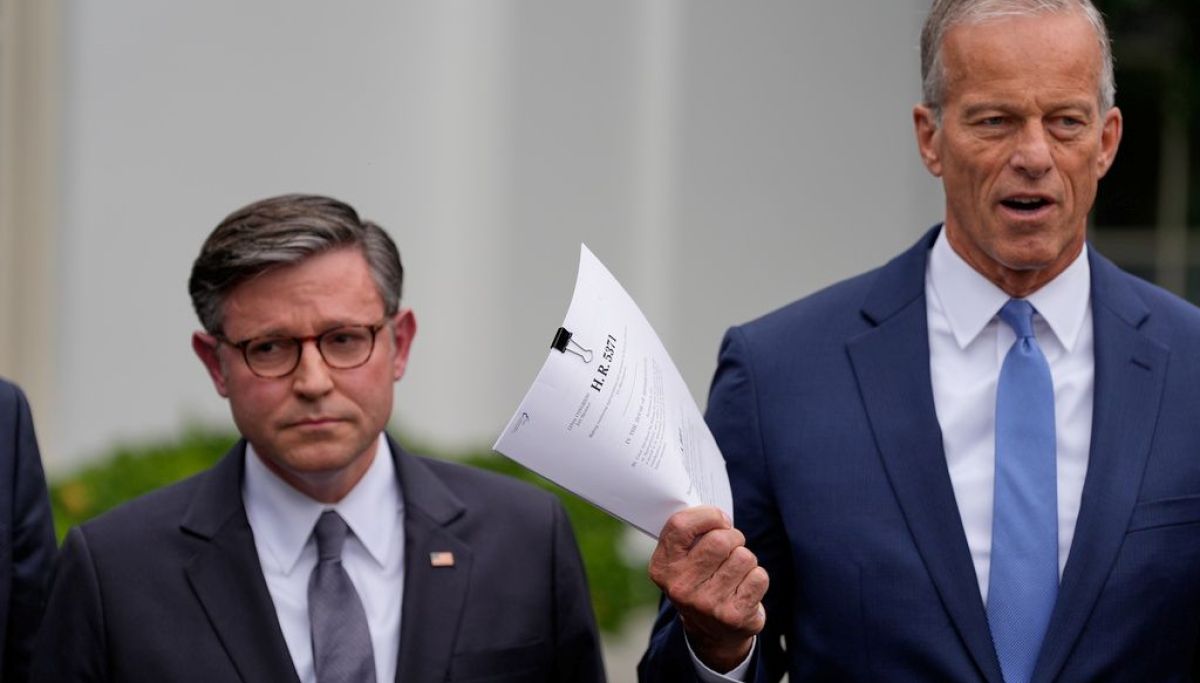
Trump at 32% Approval as Gas Prices Test GOP Midterm Hopes
NYT/Siena polling showed Trump's approval at historic lows around 32 percent with Democrats leading by double digits in key districts. Early voting has surged in battleground states.

Record Early Voting Hits Battlegrounds, Shifting Partisan Shares
AP analysis found hundreds of thousands more early ballots than in 2022 in states including Texas, Ohio, Kansas, Maine, and North Carolina, shifting partisan dynamics.
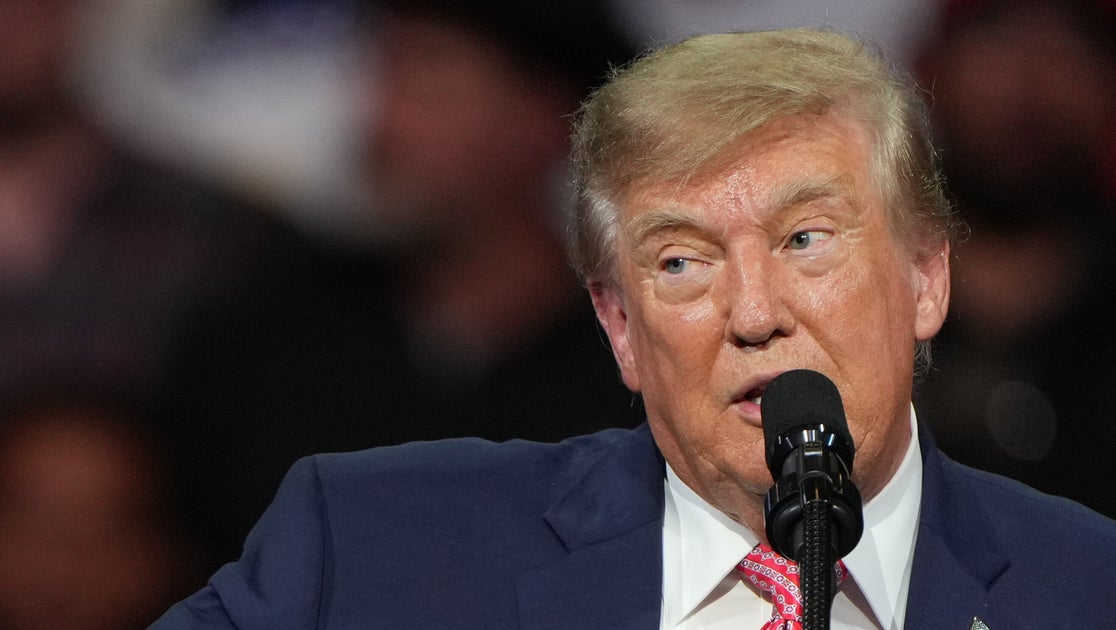
Trump Backs Marshall in Kansas Senate Race Tightened by Farm Costs
President Trump rallied in deep-red Kansas for GOP Sen. Roger Marshall in a competitive race, announcing an $8 billion farm fuel relief program amid high diesel prices. Democrats see an opening to end 94 years of GOP dominance in the state.

Trump Pauses Russia Sanctions Amid Ukraine Tensions and Missile Strikes
Trump waived sanctions on Russia and floated trilateral talks with Putin and Xi as part of ending the Ukraine war, while tensions rose with Zelenskyy over Starlink and arms. Bipartisan senators engaged Zelenskyy amid the shifts.
The Compass
You just read five takes on one story.
What's your take? Find your political shape in a few minutes.
Take the test