
House Passes Two-Week FISA Extension After Conservative Revolt
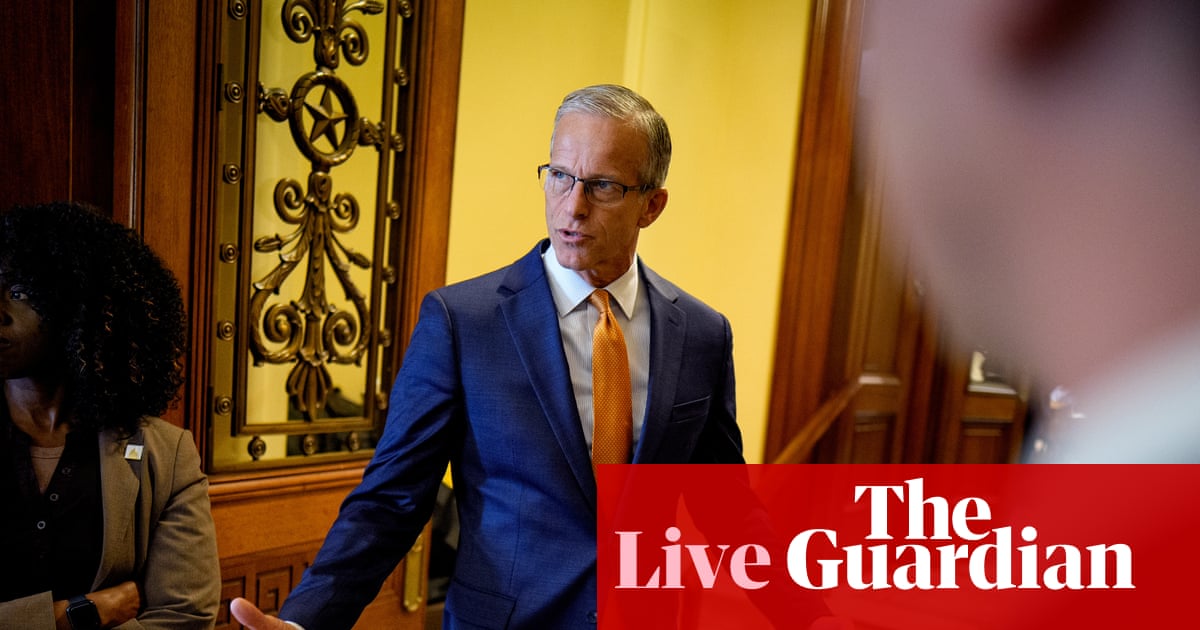
Cover image from theguardian.com, which was analyzed for this article
The House approved a brief two-week extension of FISA Section 702 warrantless surveillance powers following a late-night rebellion by conservative Republicans that sank a longer-term renewal lacking reforms. The stopgap measure prevents an immediate program lapse amid partisan fights over privacy versus security. Trump pushed for a clean bill, but divisions forced the punt to late April.
PoliticalOS
Friday, April 17, 2026 — Politics
Congress has bought two weeks to reconcile national security needs for warrantless foreign surveillance with persistent demands for warrants before querying Americans' incidental data. The conservative revolt, despite pressure from Trump and intelligence leaders, shows that past FBI abuses continue to erode trust across party lines. Readers should watch whether the final deal includes meaningful oversight or simply renews the status quo, as the underlying tension between security and privacy remains unresolved.
What outlets missed
Most coverage downplayed or omitted the more than 50 reforms Congress enacted in 2024, which Jordan cited as making a short clean extension viable now. Outlets also underplayed specific successes attributed to Section 702, including thwarting attacks at domestic venues and aiding hostage rescues, as referenced in intelligence community briefings. The fact that a recent FISA Court order allows the program to continue operating into 2027 even without statutory renewal received little attention, softening the claimed urgency of immediate lapse. Finally, bipartisan elements received uneven treatment: while some noted Democratic opposition to the GOP proposals, few detailed how progressives joined conservatives in demanding warrants, or how a handful of Democrats tried to help advance the leadership bills.
Conservative Revolt Halts Warrantless Surveillance Expansion in Late Night House Chaos
A band of 20 House Republicans stood against the intelligence community's demands for unchecked power early Friday morning, joining most Democrats to block both five-year and 18-month extensions of Section 702 of the Foreign Intelligence Surveillance Act. The dramatic revolt forced GOP leadership to ram through a bare-bones 10-day continuation until April 30, buying time before the program expires on Monday. The episode exposed deep fractures within the party over a tool that lets American spy agencies vacuum up communications of foreigners overseas while routinely sweeping in the private emails, texts and calls of U.S. citizens without warrants.
Speaker Mike Johnson and President Trump had pushed hard for a longer renewal with only modest tweaks. Trump, who two years ago demanded to "KILL FISA" after the FBI abused the process to spy on his 2016 campaign, flipped positions and declared the program "extremely important to our military." Johnson tried first a five-year reauthorization with some added criminal penalties for misuse, then an 18-month clean extension that Trump personally endorsed. Both efforts collapsed in back-to-back procedural votes after midnight as conservatives refused to go along. The short-term patch passed by voice vote in the exhausted chamber just after 2 a.m., with the Senate now forced into a rare Friday session to keep the program alive.
The rebellion came from lawmakers who have watched the intelligence community repeatedly break its promises. Section 702 was sold as a narrow tool aimed only at foreign terrorists and adversaries. In practice it has become a massive database that intelligence agencies and the FBI query for information on Americans. The FBI has admitted to thousands of improper searches, including ones involving journalists, political figures and ordinary citizens. During the Trump years, the process was weaponized against his associates with the flimsiest of justifications. Privacy advocates from both parties have demanded a simple reform: get a warrant before searching that database for an American's name. The intelligence agencies scream that such a requirement would blind them and endanger the country. Many conservatives no longer believe them.
Rep. Thomas Massie and others made clear they would not vote for any extension that failed to protect basic constitutional rights. Their stand echoes growing frustration on the right with a national security apparatus that lectures Americans about threats abroad while treating the Fourth Amendment like an inconvenience. Even some who support strong surveillance tools have grown tired of the casual abuses, the secret interpretations of law hidden from Congress, and the pattern of officials promising reform only to expand their reach once the heat dies down.
Democrats seized on the chaos to mock Republican management of the House. Rep. Jim McGovern of Massachusetts called the middle-of-the-night votes "amateur hour" and asked who exactly was running the place. But the deeper story is not scheduling incompetence. It is the bipartisan addiction in Washington to secret power. The same voices who spent years claiming Trump was a threat to democracy now cheer for a surveillance regime that allows warrantless collection of Americans' data. Many of those same voices stayed silent when that data was used against Trump himself. The selective outrage reveals how both parties treat civil liberties as negotiable when their own interests are at stake.
The temporary extension kicks the fight down the road two weeks. Johnson said they were "very close" and just needed to iron out language. Conservatives say the language always seems to favor the spies over the spied-upon. The intelligence community claims Section 702 has thwarted terror plots and rescued hostages. Those successes, if true, should not require treating every American who communicates with someone overseas as fair game for warrantless searches. The Constitution does not vanish at the water's edge or when a bureaucrat at the NSA decides your pattern of life looks interesting.
This revolt is a reminder that some in the Republican conference still remember the party's roots in limited government and individual liberty. For years the post-9/11 consensus treated any restraint on surveillance as weakness. The abuses of the Trump-Russia probe shattered that trust for many on the right. Now even Trump finds himself caught between his own past rhetoric and the institutional pressures of the presidency. His willingness to risk "giving up" some rights for national security clashes with the growing realization that once those rights are surrendered they rarely come back.
The next two weeks will test whether the privacy hawks can force real reforms or whether the familiar alliance of defense contractors, intelligence bureaucrats and congressional leadership will water down any changes until they mean nothing. Americans have every reason to be skeptical. The surveillance state has grown fat and unaccountable. It hides behind classifications, leaks selectively to friendly media, and warns of catastrophe whenever anyone suggests basic oversight. The 20 Republicans who held the line Thursday night forced a conversation the permanent bureaucracy would rather avoid. Whether that leads to genuine protections for American citizens or just another extension with cosmetic fixes will define whether Congress still believes the Constitution applies to the government itself.
You just read America First's take. Want to read what actually happened?
More in Politics
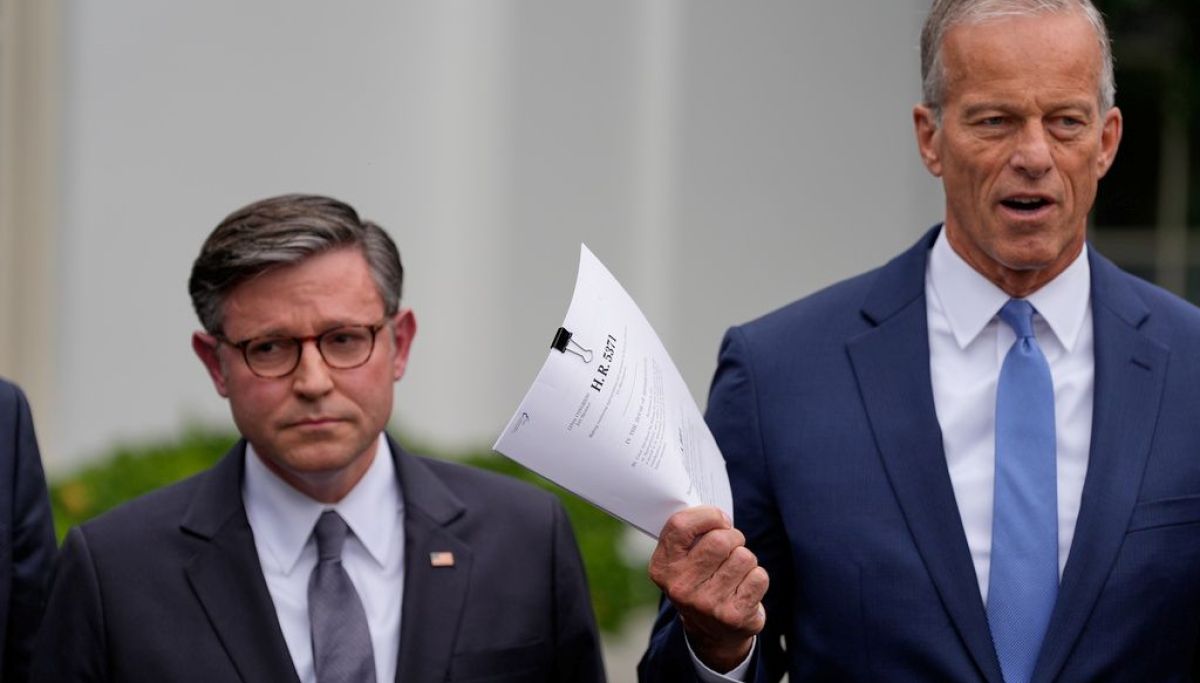
Trump at 32% Approval as Gas Prices Test GOP Midterm Hopes
NYT/Siena polling showed Trump's approval at historic lows around 32 percent with Democrats leading by double digits in key districts. Early voting has surged in battleground states.

Record Early Voting Hits Battlegrounds, Shifting Partisan Shares
AP analysis found hundreds of thousands more early ballots than in 2022 in states including Texas, Ohio, Kansas, Maine, and North Carolina, shifting partisan dynamics.
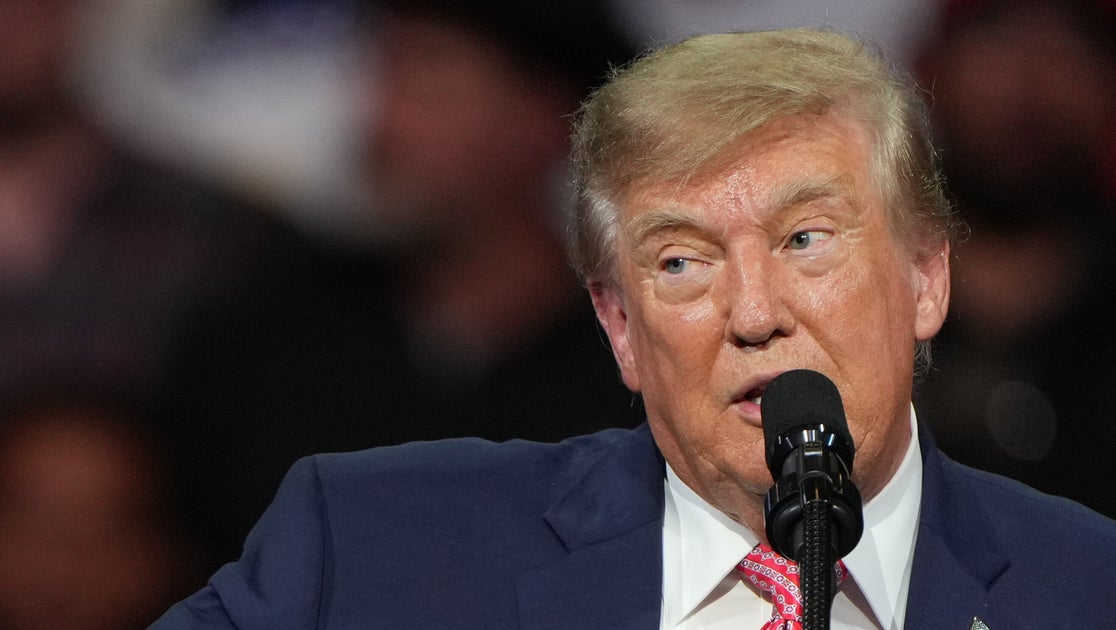
Trump Backs Marshall in Kansas Senate Race Tightened by Farm Costs
President Trump rallied in deep-red Kansas for GOP Sen. Roger Marshall in a competitive race, announcing an $8 billion farm fuel relief program amid high diesel prices. Democrats see an opening to end 94 years of GOP dominance in the state.

Trump Pauses Russia Sanctions Amid Ukraine Tensions and Missile Strikes
Trump waived sanctions on Russia and floated trilateral talks with Putin and Xi as part of ending the Ukraine war, while tensions rose with Zelenskyy over Starlink and arms. Bipartisan senators engaged Zelenskyy amid the shifts.
The Compass
You just read five takes on one story.
What's your take? Find your political shape in a few minutes.
Take the test