
House Passes Resolution Limiting Trump Iran Strikes

Cover image from aljazeera.com, which was analyzed for this article
The US House approved a bipartisan resolution limiting President Trump's military actions against Iran without congressional approval. Four Republicans joined Democrats in the rebuke amid fragile ceasefire talks.
PoliticalOS
Thursday, June 4, 2026 — Politics
Congress asserted its war-powers claim in a 215-208 vote, yet the resolution remains non-binding and faces Senate and legal hurdles. The central unresolved question is whether the president must still obtain fresh authorization after the April ceasefire or may resume operations under existing authorities.
What outlets missed
Most coverage omitted the administration’s stated rationale that February strikes targeted nuclear facilities after diplomatic exhaustion. Few outlets supplied the precise statutory language of the concurrent resolution or prior court precedents on its enforceability. Details on continued low-level exchanges after the April 8 ceasefire and their effect on the 60-day clock received inconsistent treatment. Public-opinion polling data and specific energy-price increases were referenced but rarely attributed to primary sources.
House Votes to Curb Trump Iran Military Campaign as Republicans Join Democrats
The House of Representatives voted 215-208 on Wednesday to direct President Donald Trump to halt further military action against Iran unless Congress grants explicit authorization. Four Republicans joined every Democrat in backing the measure, marking the first time lawmakers have cleared such a resolution since the conflict began in February.
The resolution invokes the 1973 War Powers Act and requires the administration to end hostilities within 60 days. Reps. Thomas Massie of Kentucky, Brian Fitzpatrick of Pennsylvania, Tom Barrett of Michigan, and Warren Davidson of Ohio broke with their party. Rep. Gregory Meeks, the top Democrat on the Foreign Affairs Committee, introduced the measure after repeated delays. House Republican leaders had postponed an earlier vote in May by sending members home early for recess when support appeared sufficient to pass.
The three-month-old conflict, launched jointly by the United States and Israel, has produced thousands of civilian deaths, disrupted global shipping, and driven up fuel prices in the United States. Opposition has grown inside the Republican conference as the fighting drags on without a clear end date or a durable agreement. The Senate advanced a similar resolution last month, though it has not yet received a floor vote.
Trump has maintained that the operation falls within his authority as commander in chief and that major combat has already given way to a limited ceasefire. In public remarks this week he described the exchanges of fire as a form of moderated conflict unique to the region. The White House has also signaled that it views the War Powers Resolution itself as an unconstitutional limit on presidential power and has indicated Trump would veto the measure if it reaches his desk.
Even so, the House vote carries political weight. It reflects mounting pressure on the administration at a moment when energy costs are rising and public support for the campaign is eroding. The four Republicans who supported the resolution cited the absence of a defined mission and the lack of prior congressional approval. Massie, a longtime critic of overseas military engagements, posted that the House was sending a clear message to end the war. Barrett, an Army veteran, has questioned the open-ended nature of the operation.
Democratic leaders framed the outcome as a straightforward exercise of Congress’s constitutional role. Meeks noted that every member of his caucus supported the resolution and expressed satisfaction that some Republicans had chosen to place institutional checks above party loyalty. The vote follows earlier unsuccessful attempts to rein in the president’s actions and arrives as negotiations between Washington and Tehran remain stalled.
While the measure is unlikely to force an immediate withdrawal given Republican control of the Senate and the prospect of a veto, it adds to the accumulating constraints on the administration’s conduct of the conflict. Lawmakers on both sides have signaled they intend to keep pressing for greater oversight as long as U.S. forces remain engaged.
You just read Progressive's take. Want to read what actually happened?
More in Politics
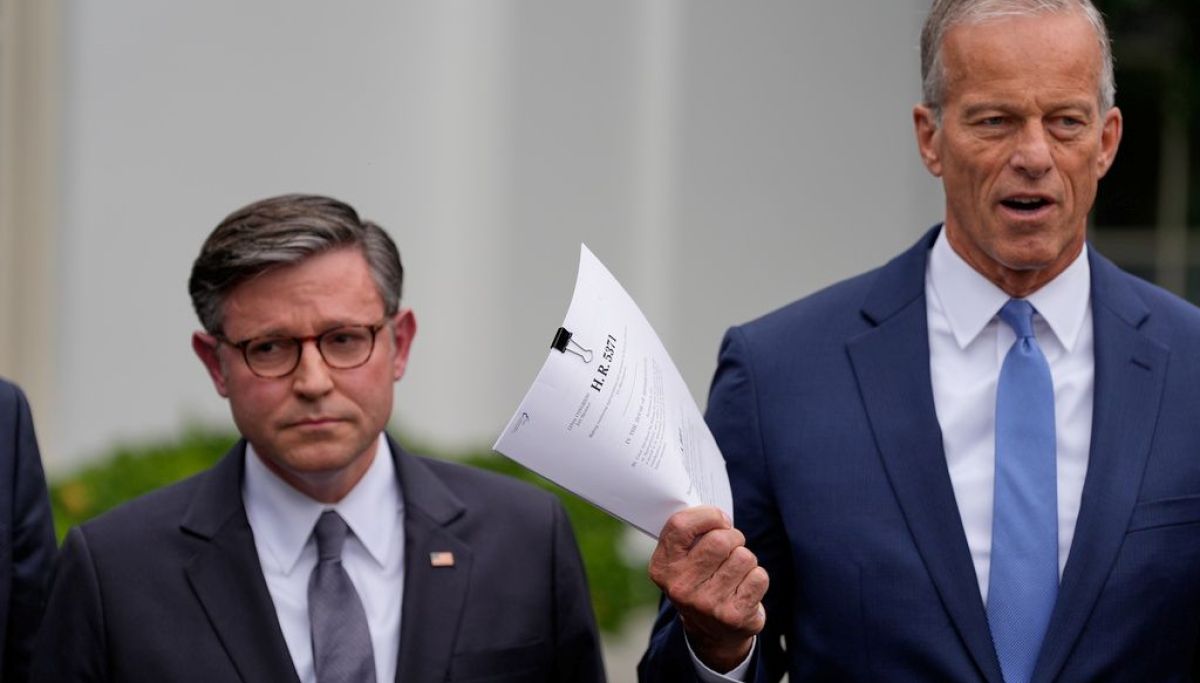
Trump at 32% Approval as Gas Prices Test GOP Midterm Hopes
NYT/Siena polling showed Trump's approval at historic lows around 32 percent with Democrats leading by double digits in key districts. Early voting has surged in battleground states.

Record Early Voting Hits Battlegrounds, Shifting Partisan Shares
AP analysis found hundreds of thousands more early ballots than in 2022 in states including Texas, Ohio, Kansas, Maine, and North Carolina, shifting partisan dynamics.
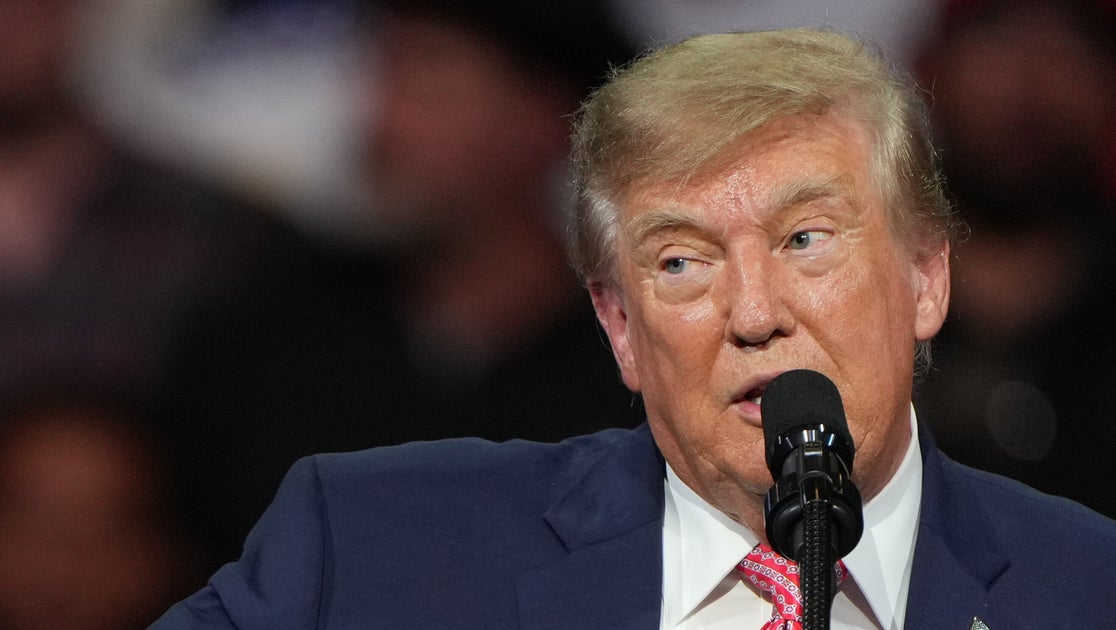
Trump Backs Marshall in Kansas Senate Race Tightened by Farm Costs
President Trump rallied in deep-red Kansas for GOP Sen. Roger Marshall in a competitive race, announcing an $8 billion farm fuel relief program amid high diesel prices. Democrats see an opening to end 94 years of GOP dominance in the state.

Trump Pauses Russia Sanctions Amid Ukraine Tensions and Missile Strikes
Trump waived sanctions on Russia and floated trilateral talks with Putin and Xi as part of ending the Ukraine war, while tensions rose with Zelenskyy over Starlink and arms. Bipartisan senators engaged Zelenskyy amid the shifts.
The Compass
You just read five takes on one story.
What's your take? Find your political shape in a few minutes.
Take the test