
House Republicans Delay Iran War Powers Vote Until June

Cover image from nbcnews.com, which was analyzed for this article
GOP leaders pulled a measure that would have required President Trump to end the conflict with Iran or seek congressional authorization. The vote was delayed into June due to lack of support and party divisions.
PoliticalOS
Friday, May 22, 2026 — Politics
The House must vote on the war powers resolution in June, testing whether Republican support for the Iran operation has eroded enough to constrain presidential action. The delay preserves the status quo while both parties maneuver around member absences and statutory timelines.
What outlets missed
One provided outlet published an unrelated opinion piece on voting rights and redistricting rather than the Iran resolution. No outlet supplied attendance records or names of the eight absent Republicans to allow independent assessment of the procedural explanation. Details on the Pentagon’s proposed operation rename and its potential legal effect on the 60-day clock appeared in only one account and could not be independently verified by the others.
House Republicans Dodge Vote to Rein In Trump's Iran War
House Republicans abruptly pulled a scheduled vote Thursday on a war powers resolution that would have forced President Trump to end U.S. military involvement in Iran. The move came after it became clear that enough Republicans planned to join Democrats in supporting the measure, leaving GOP leaders unwilling to risk a defeat.
The resolution, sponsored by Democratic Rep. Gregory Meeks of New York, aims to limit the president's ability to continue operations without explicit congressional approval. Lawmakers had set the vote for Thursday before the Memorial Day recess, but leadership delayed action until June. House Majority Leader Steve Scalise acknowledged the absence of several members who wanted to record their positions, though the underlying reason appeared tied to fears the bill would pass.
The conflict began February 28 when Trump ordered strikes without prior congressional authorization. A shaky ceasefire has held since early April, yet the costs continue to mount. At least 13 American service members have been killed and hundreds more wounded. Pentagon estimates place the price tag at $25 billion so far. Global energy markets have been disrupted, pushing gasoline prices higher for American drivers already strained by inflation.
Support for the war has eroded even within Republican ranks. Last week the House rejected a similar measure in a 212-212 tie after three Republicans crossed party lines. The Senate advanced its own version earlier this week with backing from four GOP senators. These defections reflect growing unease over an open-ended commitment that echoes past interventions with little clear benefit to U.S. security.
Democratic leaders called the decision to pull the vote cowardly, arguing that Republicans were avoiding accountability for a conflict that has placed service members in harm's way. Meeks stated that Democrats had the votes and that Republicans were simply playing politics by delaying. The episode underscores the difficulty Trump faces in sustaining congressional backing for a war launched on executive authority alone.
Critics of prolonged Middle East engagements note that public tolerance for such fights has worn thin. Energy price spikes hit working families directly, while the human toll falls on the same communities that supply most military recruits. With lawmakers set to revisit the issue after recess, the question remains whether Congress will finally assert its constitutional role or continue deferring to the executive on matters of war and peace.
You just read America First's take. Want to read what actually happened?
More in Politics
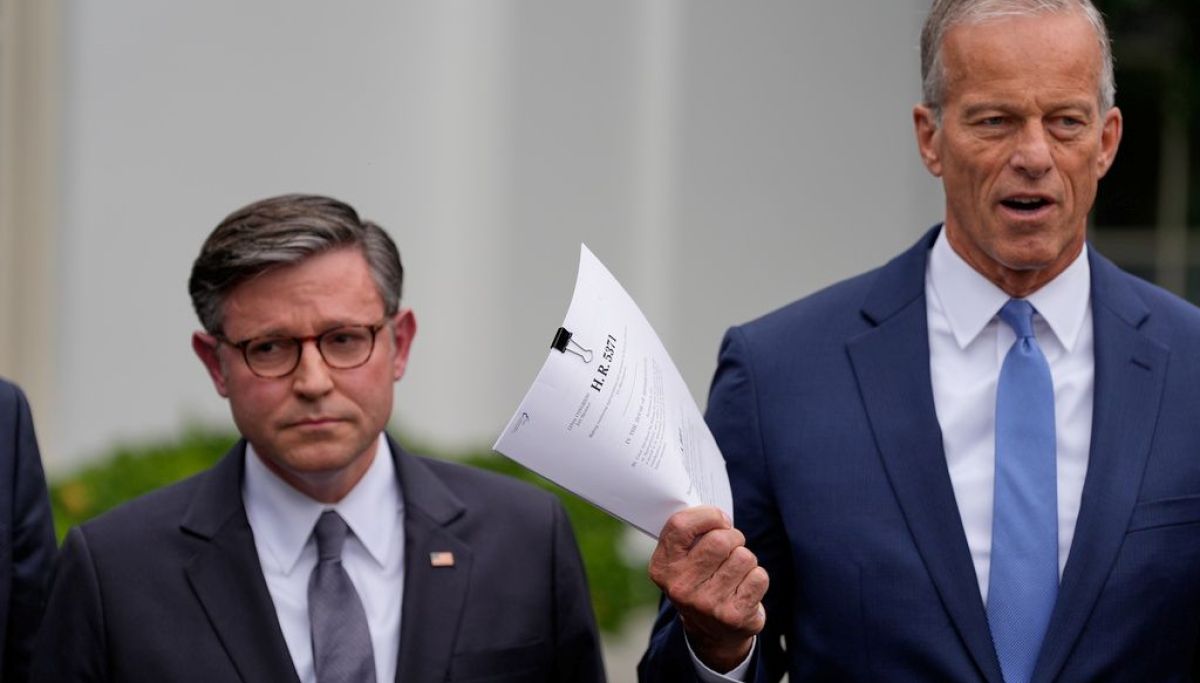
Trump at 32% Approval as Gas Prices Test GOP Midterm Hopes
NYT/Siena polling showed Trump's approval at historic lows around 32 percent with Democrats leading by double digits in key districts. Early voting has surged in battleground states.

Record Early Voting Hits Battlegrounds, Shifting Partisan Shares
AP analysis found hundreds of thousands more early ballots than in 2022 in states including Texas, Ohio, Kansas, Maine, and North Carolina, shifting partisan dynamics.
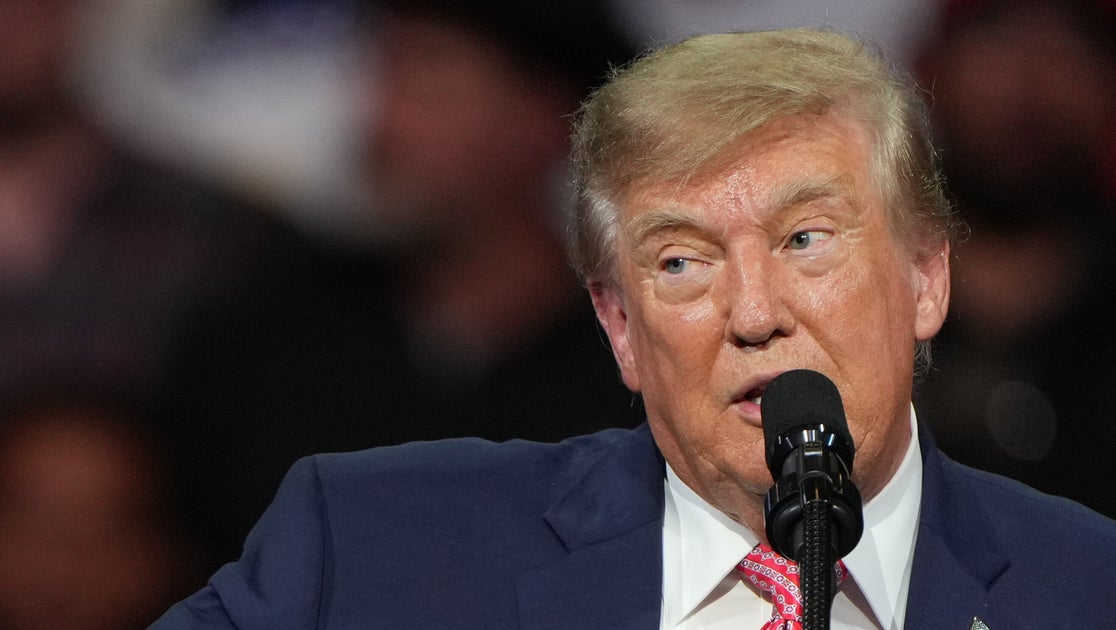
Trump Backs Marshall in Kansas Senate Race Tightened by Farm Costs
President Trump rallied in deep-red Kansas for GOP Sen. Roger Marshall in a competitive race, announcing an $8 billion farm fuel relief program amid high diesel prices. Democrats see an opening to end 94 years of GOP dominance in the state.

Trump Pauses Russia Sanctions Amid Ukraine Tensions and Missile Strikes
Trump waived sanctions on Russia and floated trilateral talks with Putin and Xi as part of ending the Ukraine war, while tensions rose with Zelenskyy over Starlink and arms. Bipartisan senators engaged Zelenskyy amid the shifts.
The Compass
You just read five takes on one story.
What's your take? Find your political shape in a few minutes.
Take the test