
House Republicans Delay Iran War Powers Vote Until June

Cover image from nbcnews.com, which was analyzed for this article
GOP leaders pulled a measure that would have required President Trump to end the conflict with Iran or seek congressional authorization. The vote was delayed into June due to lack of support and party divisions.
PoliticalOS
Friday, May 22, 2026 — Politics
The House must vote on the war powers resolution in June, testing whether Republican support for the Iran operation has eroded enough to constrain presidential action. The delay preserves the status quo while both parties maneuver around member absences and statutory timelines.
What outlets missed
One provided outlet published an unrelated opinion piece on voting rights and redistricting rather than the Iran resolution. No outlet supplied attendance records or names of the eight absent Republicans to allow independent assessment of the procedural explanation. Details on the Pentagon’s proposed operation rename and its potential legal effect on the 60-day clock appeared in only one account and could not be independently verified by the others.
House GOP Delays Vote on Resolution to Curb Trump’s Iran War
House Republicans on Thursday postponed a scheduled vote on a war powers resolution that would have required President Trump to end U.S. military operations against Iran, after it became clear that enough GOP members would join Democrats to pass the measure. The decision pushes any action on the resolution until after the Memorial Day recess, when lawmakers return in June.
The resolution, sponsored by Democratic Rep. Gregory Meeks of New York, invokes the 1973 War Powers Resolution to limit the president’s ability to sustain hostilities without explicit congressional approval. Trump initiated the conflict on Feb. 28 without prior authorization from Congress, and the United States has remained engaged even after a fragile ceasefire took hold in early April. The measure had already come close to passage once before, ending in a 212-212 tie last week after three Republicans broke with their party.
Thursday’s maneuver came after Republican leaders determined that absences among their members would leave them short of the votes needed to block the bill. House Majority Leader Steve Scalise acknowledged that some Republicans who supported the underlying policy were simply not present and would be given another opportunity to record their positions upon returning from recess. Democrats, including House Minority Leader Hakeem Jeffries, described the delay as an attempt to avoid accountability while American forces remain committed to the operation.
Support for the war has eroded in recent weeks even within Republican ranks. Lawmakers from both parties have cited the conflict’s effects on global energy markets and the resulting rise in domestic gasoline prices. The Pentagon has reported 13 U.S. service members killed, hundreds wounded, and roughly $25 billion spent since operations began. The Senate has already advanced a parallel resolution with support from four Republican members, underscoring the measure’s potential to attract bipartisan backing.
The episode illustrates the continuing tension between congressional war powers and executive initiative. Past Congresses have often deferred to presidents during the opening phases of military action, only to reassert oversight once costs become visible and public sentiment shifts. In this case, the combination of economic pressure and battlefield attrition appears to have accelerated that recalibration among some Republicans who had previously backed the administration’s approach.
By postponing the vote rather than allowing it to proceed, House leadership preserved short-term party unity but left the underlying divisions intact. When members return in June, they will confront the same arithmetic: a resolution that already nearly passed once and that continues to draw support from lawmakers concerned about both the strategic direction of the conflict and the institutional balance between the branches.
You just read Liberal's take. Want to read what actually happened?
More in Politics

Trump Defends Ramaswamy Ad Using Estranged Mother in Ohio Race
President Trump defended a GOP nominee's ad featuring a Democratic opponent's estranged mother, calling it powerful, while drawing criticism from some Republicans including Ohio Gov. Mike DeWine. The ad has sparked internal GOP tensions ahead of midterms.
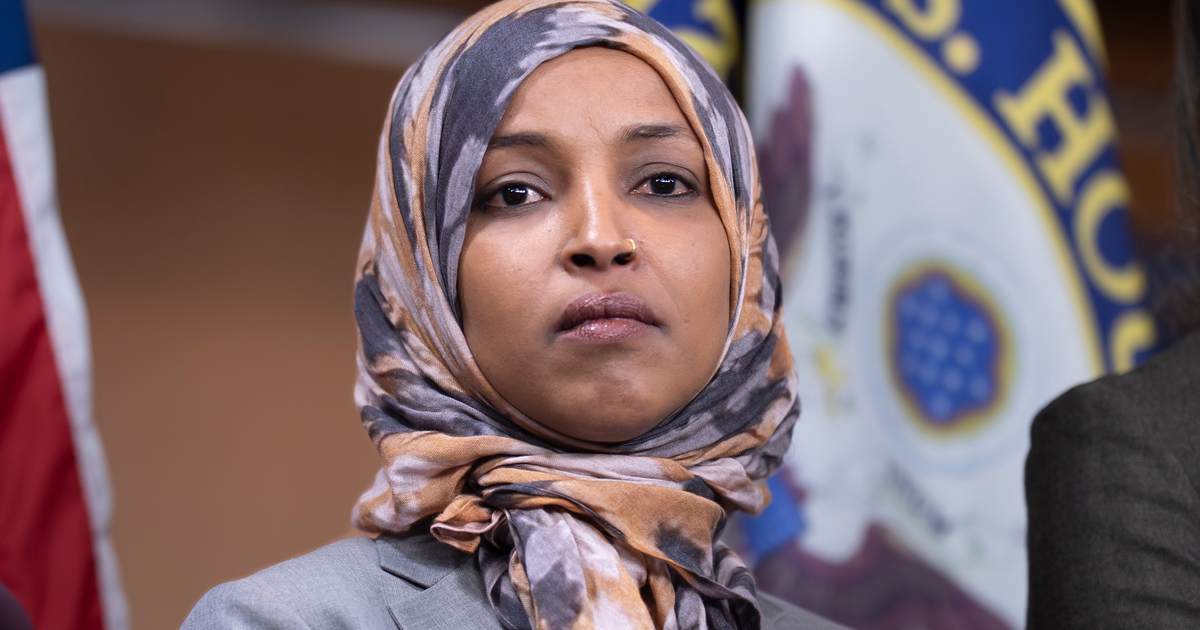
Federal Raid Targets Omar Amid Unresolved Name and Marriage Allegations
Agents searched Rep. Ilhan Omar's DC residence over immigration fraud allegations; she called it bizarre. Reports and commentary questioned her birth name and past marriage details.

Supreme Court Upholds New Hampshire Student ID Voting Ban
The Supreme Court upheld New Hampshire's ban on student IDs as valid voter identification just before midterms, affecting a tight Senate race.
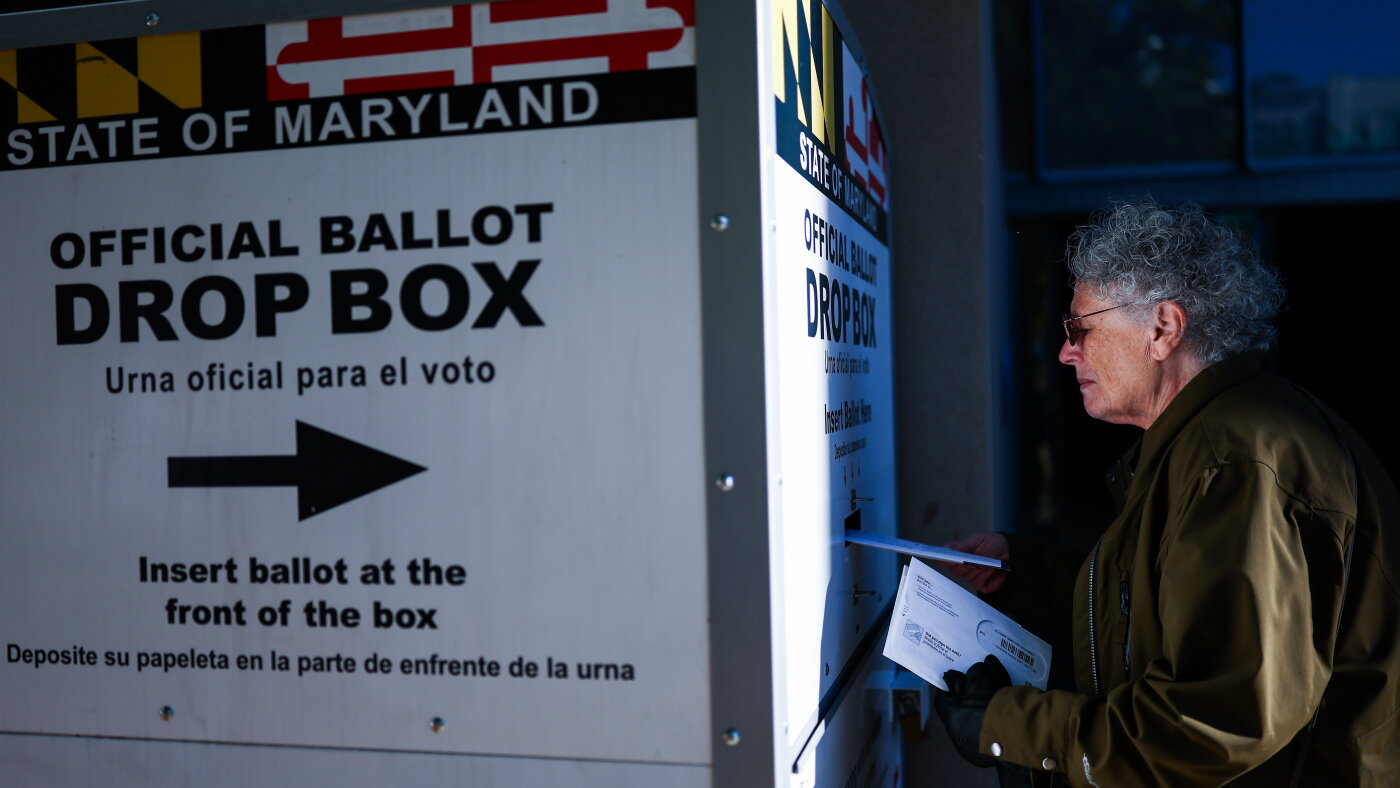
Early Voting Hits 21 Million as Most Trust Midterm Accuracy
Millions have already voted early as parties make final appeals amid $1.4 billion in ad spending; polls show confidence in election accuracy.
The Compass
You just read five takes on one story.
What's your take? Find your political shape in a few minutes.
Take the test