
House Republicans Delay Iran War Powers Vote Until June

Cover image from nbcnews.com, which was analyzed for this article
GOP leaders pulled a measure that would have required President Trump to end the conflict with Iran or seek congressional authorization. The vote was delayed into June due to lack of support and party divisions.
PoliticalOS
Friday, May 22, 2026 — Politics
The House must vote on the war powers resolution in June, testing whether Republican support for the Iran operation has eroded enough to constrain presidential action. The delay preserves the status quo while both parties maneuver around member absences and statutory timelines.
What outlets missed
One provided outlet published an unrelated opinion piece on voting rights and redistricting rather than the Iran resolution. No outlet supplied attendance records or names of the eight absent Republicans to allow independent assessment of the procedural explanation. Details on the Pentagon’s proposed operation rename and its potential legal effect on the 60-day clock appeared in only one account and could not be independently verified by the others.
House Republicans Sidestep Vote on Curbing Trump's Iran War
House Republicans abruptly pulled a scheduled vote Thursday on a war powers resolution that would have forced President Donald Trump to seek congressional approval before continuing military operations against Iran. The move came after it became clear that enough GOP lawmakers were absent or prepared to break ranks, leaving leaders without the votes needed to block the Democratic-backed measure.
The resolution, sponsored by Rep. Gregory Meeks of New York, would rein in Trump's authority to wage war without lawmakers' consent under the 1973 War Powers Resolution. It arrives nearly three months after Trump launched the conflict on Feb. 28 without prior congressional authorization. A shaky ceasefire has held since early April, yet the underlying operation continues amid rising costs and eroding political support on both sides of the aisle.
Lawmakers will now confront the issue after returning from Memorial Day recess, with a vote expected in June. House Majority Leader Steve Scalise acknowledged the timing problem, telling reporters that some Republicans who wanted to be recorded on the measure were simply not present. Democrats saw the delay differently. House Minority Leader Hakeem Jeffries and other top Democrats issued a joint statement accusing Republicans of acting in a "cowardly" fashion by refusing to hold members accountable during a period when the nation prepares to honor its war dead.
The war's toll has become harder for lawmakers to ignore. The Pentagon has reported at least 13 U.S. service members killed and hundreds wounded, with overall costs already reaching $25 billion. Global energy markets have been disrupted, contributing to higher gasoline prices at home. Those realities have chipped away at earlier Republican unity. Last week the House rejected a similar resolution in a 212-212 tie after three Republicans crossed party lines. Earlier this week the Senate advanced its own version with support from four GOP senators.
Thursday's cancellation marked the latest indication that congressional backing for the conflict is fragile. Meeks, the top Democrat on the House Foreign Affairs Committee, said Republicans "had the votes without question and they knew it," adding that they were now "playing a political game." The episode underscores a familiar pattern: when faced with the prospect of a bipartisan rebuke on a matter of war and peace, the Republican majority chose procedural delay over an open floor test.
Critics argue the maneuver allows the administration to keep the conflict on autopilot while Congress recesses. Supporters of the resolution maintain that continued operations without explicit legislative consent violate both the spirit and letter of the War Powers Resolution. With the vote now postponed until after Memorial Day, lawmakers on both sides will have additional time to weigh whether to place new limits on a president who began the fighting without their approval.
You just read Progressive's take. Want to read what actually happened?
More in Politics
Trump at 32% Approval as Gas Prices Test GOP Midterm Hopes
NYT/Siena polling showed Trump's approval at historic lows around 32 percent with Democrats leading by double digits in key districts. Early voting has surged in battleground states.

Record Early Voting Hits Battlegrounds, Shifting Partisan Shares
AP analysis found hundreds of thousands more early ballots than in 2022 in states including Texas, Ohio, Kansas, Maine, and North Carolina, shifting partisan dynamics.
Trump Backs Marshall in Kansas Senate Race Tightened by Farm Costs
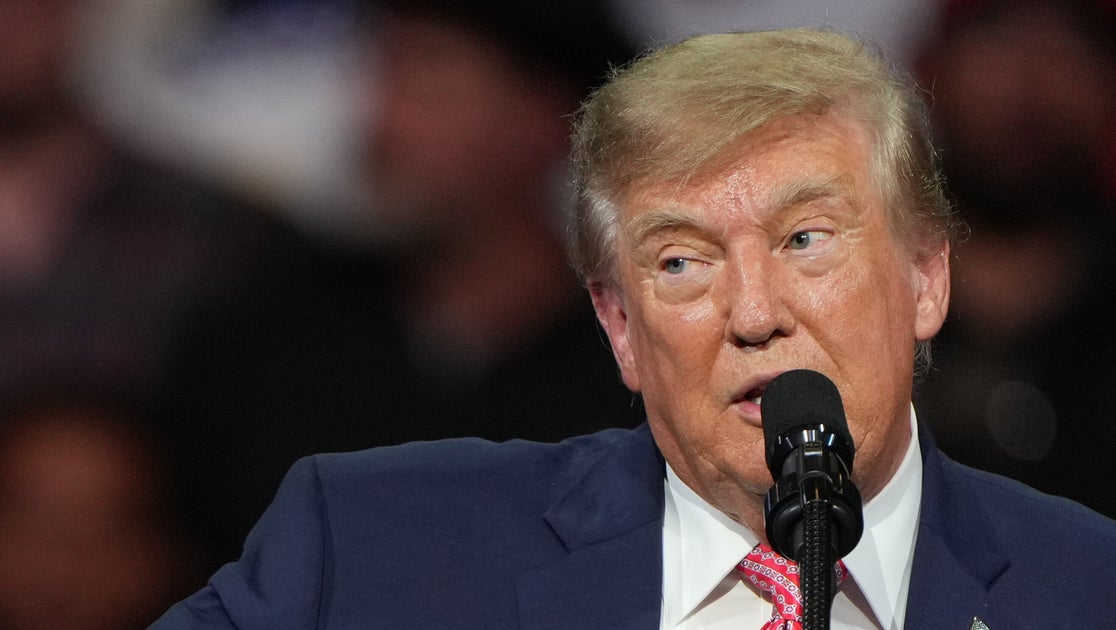
President Trump rallied in deep-red Kansas for GOP Sen. Roger Marshall in a competitive race, announcing an $8 billion farm fuel relief program amid high diesel prices. Democrats see an opening to end 94 years of GOP dominance in the state.

Trump Pauses Russia Sanctions Amid Ukraine Tensions and Missile Strikes
Trump waived sanctions on Russia and floated trilateral talks with Putin and Xi as part of ending the Ukraine war, while tensions rose with Zelenskyy over Starlink and arms. Bipartisan senators engaged Zelenskyy amid the shifts.
The Compass
You just read five takes on one story.
What's your take? Find your political shape in a few minutes.
Take the test