
House Passes Ukraine Aid Bill 226-195 Over Trump Objections
Cover image from redstate.com, which was analyzed for this article
The House passed additional Ukraine funding and Russia sanctions in a bipartisan vote, with 18 Republicans breaking ranks against party leadership and Trump administration preferences.
PoliticalOS
Friday, June 5, 2026 — Politics
Congress demonstrated continued bipartisan backing for Ukraine assistance through procedural maneuvering, yet the bill faces near-certain failure in the Senate or via veto. The vote highlights an unresolved tension between legislative majorities and executive control over Russia policy.
What outlets missed
Most coverage omitted the bill’s specific 500 percent tariff on Russian imports and crude-oil import ban, provisions that extend beyond prior sanctions. Outlets also underplayed the explicit contrast between the bill’s 2 percent NATO spending target and the 5 percent commitment Trump secured in 2025. Few noted that Rep. Ilhan Omar was the sole Democrat to oppose the measure or detailed the exact aid figures reported inconsistently across sources.
House Republicans Join Democrats to Pass Ukraine Aid Bill Over Trump Objections
Eighteen House Republicans broke with their party's leadership on Thursday to approve legislation providing new military assistance and sanctions authority aimed at supporting Ukraine against Russia. The measure passed 226 to 195 and now moves to the Senate, where its prospects remain uncertain given Republican control and President Trump's stated opposition.
The bill authorizes roughly $1.3 billion in security assistance, up to $8 billion in loans for arms purchases, and expanded sanctions on Russian energy and financial sectors. It also extends a lend-lease program originally enacted during the Biden administration. Sponsors framed the package as a way to maintain pressure on Moscow while giving the administration flexibility in negotiations, though the White House has warned that mandatory sanctions provisions would constrain presidential options.
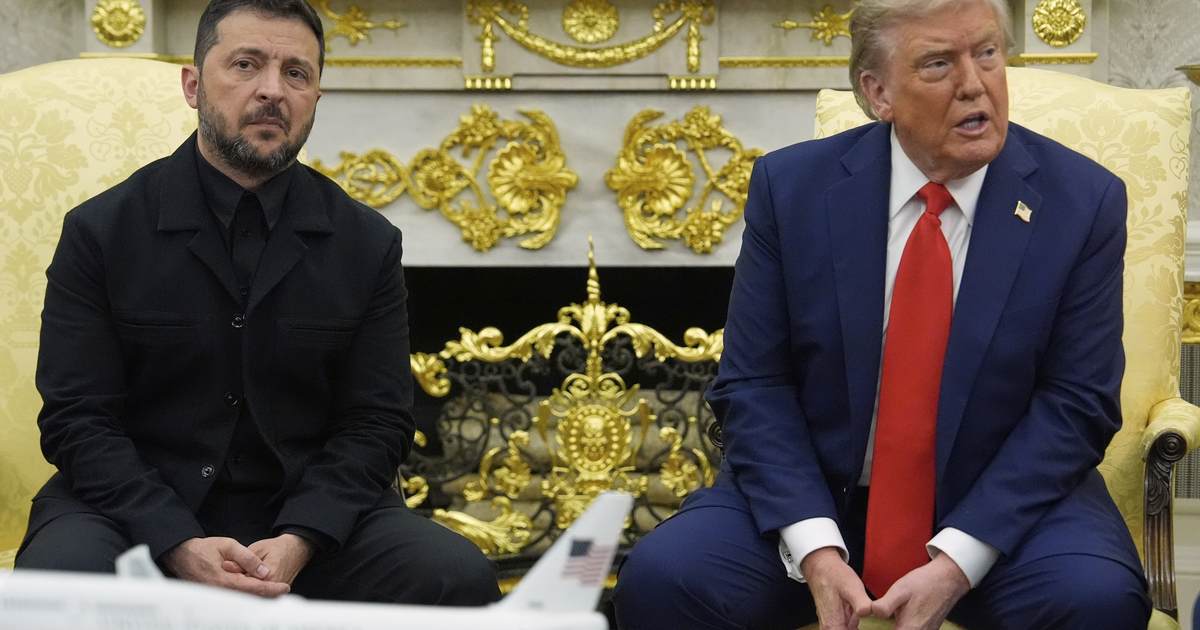
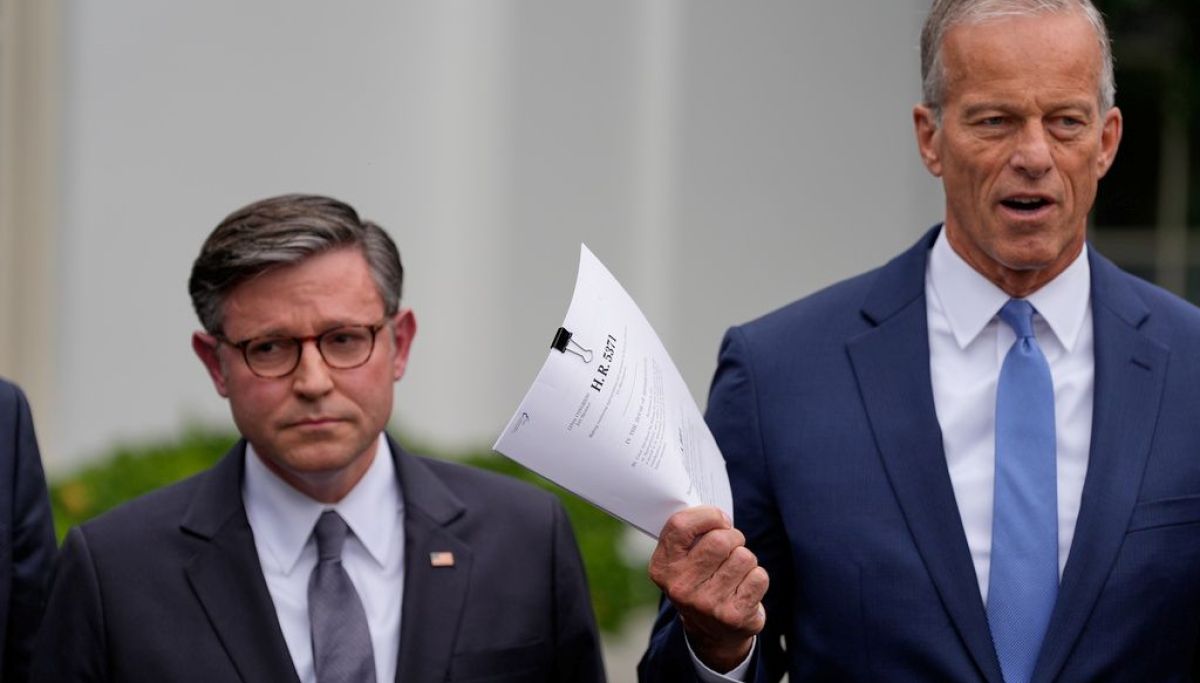
The vote was forced through a discharge petition, a procedural tool that allowed lawmakers to circumvent Speaker Mike Johnson. Reps. Brian Fitzpatrick of Pennsylvania and Don Bacon of Nebraska joined Democrats in gathering the necessary signatures, with independent Rep. Kevin Kiley of California supplying the decisive vote. This approach succeeded despite Johnson's reported efforts to keep the measure off the floor.
Trump has repeatedly criticized additional aid to Ukraine and has rolled back some Russia-related sanctions in an effort to ease domestic energy prices amid the ongoing U.S. conflict with Iran. Administration officials argued before the vote that the legislation would tie the president's hands and risk broader economic disruption. The White House has indicated Trump would veto the bill if it reaches his desk.
The 18 Republican defections highlight persistent divisions within the party over foreign policy commitments. Several of the members who supported the bill represent districts with defense industry presence or have long records of backing NATO-aligned positions. Their willingness to join Democrats on this issue suggests that institutional views favoring sustained engagement in Europe remain influential even as Trump has consolidated power over other aspects of the Republican agenda.
In the Senate, Majority Leader John Thune has not scheduled consideration of similar measures, preferring to await clearer direction from the White House. Any final version would also need to overcome the 60-vote threshold, making passage difficult without broader Republican support. The House action nevertheless demonstrates that a cross-party coalition can still assemble around Ukraine policy when leadership is bypassed.
The episode underscores how discharge petitions and other procedural mechanisms can occasionally override unified party control, particularly on issues where a minority faction shares priorities with the opposition. It also illustrates the limits of presidential influence over congressional Republicans when core institutional interests, such as alliance commitments and sanctions policy, are at stake.
You just read Liberal's take. Want to read what actually happened?
More in Politics
Trump at 32% Approval as Gas Prices Test GOP Midterm Hopes
NYT/Siena polling showed Trump's approval at historic lows around 32 percent with Democrats leading by double digits in key districts. Early voting has surged in battleground states.

Record Early Voting Hits Battlegrounds, Shifting Partisan Shares
AP analysis found hundreds of thousands more early ballots than in 2022 in states including Texas, Ohio, Kansas, Maine, and North Carolina, shifting partisan dynamics.
Trump Backs Marshall in Kansas Senate Race Tightened by Farm Costs
President Trump rallied in deep-red Kansas for GOP Sen. Roger Marshall in a competitive race, announcing an $8 billion farm fuel relief program amid high diesel prices. Democrats see an opening to end 94 years of GOP dominance in the state.

Trump Pauses Russia Sanctions Amid Ukraine Tensions and Missile Strikes
Trump waived sanctions on Russia and floated trilateral talks with Putin and Xi as part of ending the Ukraine war, while tensions rose with Zelenskyy over Starlink and arms. Bipartisan senators engaged Zelenskyy amid the shifts.
The Compass
You just read five takes on one story.
What's your take? Find your political shape in a few minutes.
Take the test