
House Passes Ukraine Aid Bill 226-195 Over Trump Objections
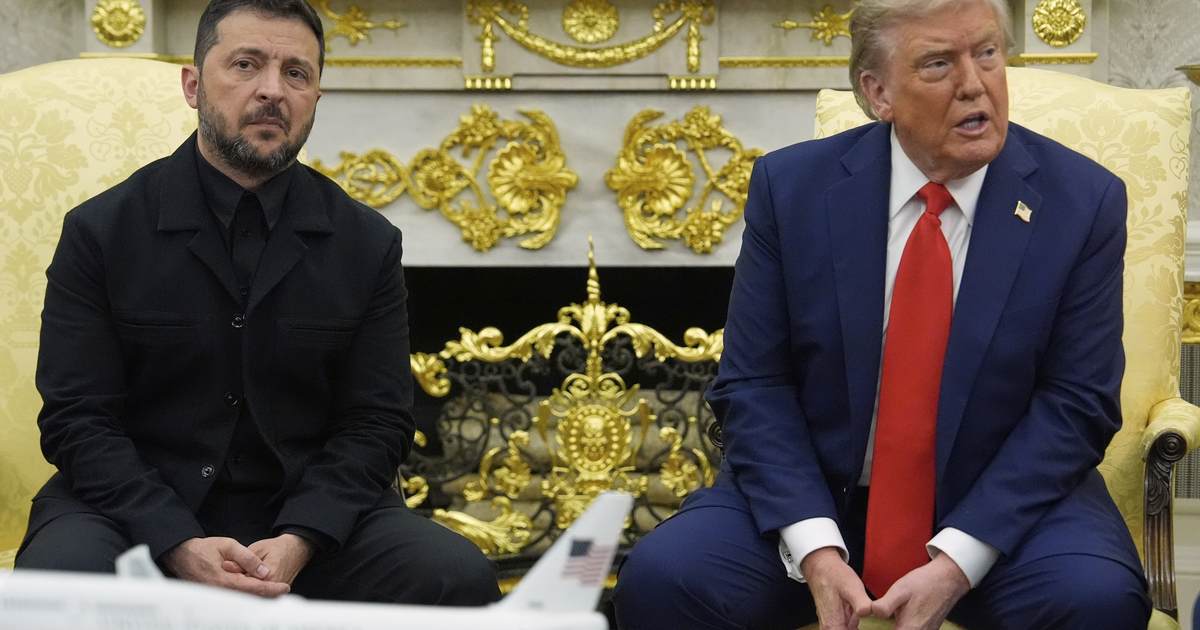
Cover image from redstate.com, which was analyzed for this article
The House passed additional Ukraine funding and Russia sanctions in a bipartisan vote, with 18 Republicans breaking ranks against party leadership and Trump administration preferences.
PoliticalOS
Friday, June 5, 2026 — Politics
Congress demonstrated continued bipartisan backing for Ukraine assistance through procedural maneuvering, yet the bill faces near-certain failure in the Senate or via veto. The vote highlights an unresolved tension between legislative majorities and executive control over Russia policy.
What outlets missed
Most coverage omitted the bill’s specific 500 percent tariff on Russian imports and crude-oil import ban, provisions that extend beyond prior sanctions. Outlets also underplayed the explicit contrast between the bill’s 2 percent NATO spending target and the 5 percent commitment Trump secured in 2025. Few noted that Rep. Ilhan Omar was the sole Democrat to oppose the measure or detailed the exact aid figures reported inconsistently across sources.
House Republicans Break With Trump to Advance Ukraine Aid Bill
Eighteen House Republicans joined Democrats on Thursday to pass legislation providing new military assistance and sanctions against Russia, overriding objections from Speaker Mike Johnson and the White House. The measure passed 226 to 195 and now moves to the Senate, where its prospects remain uncertain given Republican leadership’s reluctance to act without President Trump’s explicit backing.
The bill authorizes $1.8 billion in security assistance to Ukraine along with up to $8 billion in loans for arms purchases. It also extends a military lend-lease program first enacted under the Biden administration and imposes expanded sanctions on Russia’s oil, gas, and mining sectors. Supporters say the sanctions target entities helping Moscow evade existing restrictions, including foreign companies that facilitate trade with Russia. The legislation was advanced through a discharge petition led by Representative Greg Meeks, a New York Democrat, and Representative Brian Fitzpatrick, a Pennsylvania Republican who co-chairs the congressional Ukraine caucus. Independent Representative Kevin Kiley of California supplied the final signature needed to force the floor vote.
The outcome marked a clear rebuke to Trump, who has opposed additional aid to Ukraine and has already rolled back some Russia-related sanctions imposed during the Biden years in an effort to ease domestic energy prices amid the U.S. conflict with Iran. The White House warned ahead of the vote that the bill would constrain the president’s negotiating flexibility and risk broader economic disruption through mandatory sanctions. Johnson had urged Republicans to oppose the measure on similar grounds.
Republicans who supported the legislation, including Fitzpatrick and Representative Don Bacon of Nebraska, framed their votes as consistent with longstanding U.S. policy of bolstering Ukraine’s defense against Russian aggression. Democrats described the result as evidence that bipartisan majorities still exist for continued assistance despite the president’s stated preferences. Representative Steny Hoyer of Maryland, a co-sponsor, said the vote reflected priorities larger than partisan divisions.
The tally also revealed divisions within the Republican conference. Representative Randy Fine of Florida and others who voted against the bill argued that it undermined Trump’s diplomatic approach. Only one Democrat, Representative Ilhan Omar of Minnesota, opposed the measure. The Senate has yet to schedule consideration, and any final version would still face the likelihood of a presidential veto.
Passage nevertheless underscored persistent congressional support for Ukraine at a moment when Trump has signaled a preference for reduced U.S. involvement. Lawmakers who backed the bill said the vote itself sent a message that efforts to constrain Russia’s war economy retain significant backing across party lines.
You just read Progressive's take. Want to read what actually happened?
More in Politics

Trump Defends Ramaswamy Ad Using Estranged Mother in Ohio Race
President Trump defended a GOP nominee's ad featuring a Democratic opponent's estranged mother, calling it powerful, while drawing criticism from some Republicans including Ohio Gov. Mike DeWine. The ad has sparked internal GOP tensions ahead of midterms.

Federal Raid Targets Omar Amid Unresolved Name and Marriage Allegations
Agents searched Rep. Ilhan Omar's DC residence over immigration fraud allegations; she called it bizarre. Reports and commentary questioned her birth name and past marriage details.

Supreme Court Upholds New Hampshire Student ID Voting Ban
The Supreme Court upheld New Hampshire's ban on student IDs as valid voter identification just before midterms, affecting a tight Senate race.
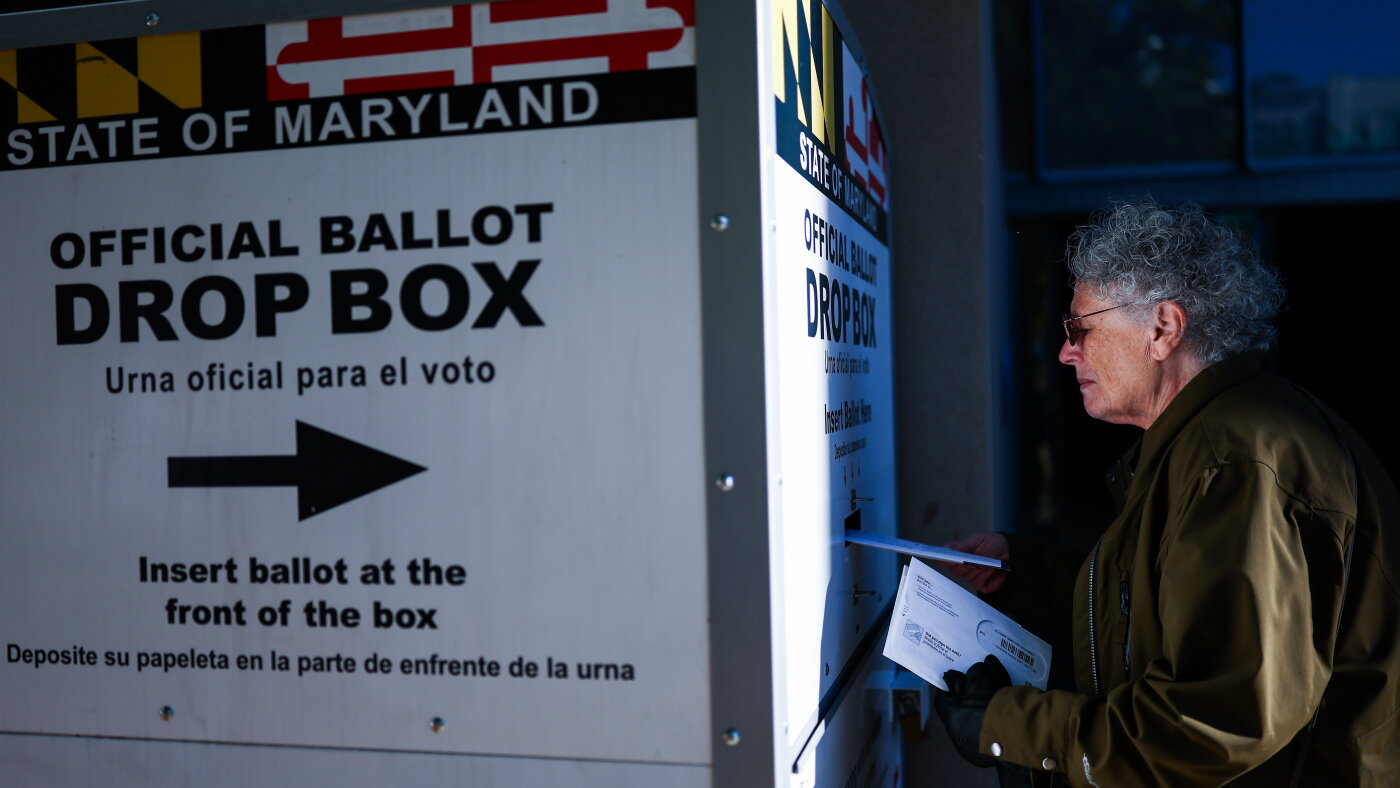
Early Voting Hits 21 Million as Most Trust Midterm Accuracy
Millions have already voted early as parties make final appeals amid $1.4 billion in ad spending; polls show confidence in election accuracy.
The Compass
You just read five takes on one story.
What's your take? Find your political shape in a few minutes.
Take the test